
Leathers and Grains
At Leonard’s, we use real leathers, cut from real hides. For more information, please see our “Why Leathers” page.
***Need some pricing information? Click here.
***When you’re ready to move on to the ordering phase, click here.
Click on the various tabs below to see examples of the different kinds of grains on our leathers, and all the colors of our various leathers, along with some sample pictures.
If you’d like to order small samples of our leathers or if you’re interested in knowing whether one of our leathers can be lined with lambskin besides the ones on our Leather-Lined Goatskin page, just ask! Email us at eric@leonardsbooks.com
- Pebble Cowhides
- Thick Cowhides
- Smooth Cowhides
- Embossed Cowhide
- Hand-Dyed Calf
- Smooth Goat
- Barcelona Goat
- Sokoto Goat
- Capra Goat
- Hand-Dyed Natural Goat
- Kangaroo
- Grains
Pebble Grain Cowhides
Here are the pebble grain cowhides, a beautiful leather with a lightly-embossed tight grain and a finish that’s easy to keep clean. They are soft and flexible, but still durable, and they come in 21 different colors:
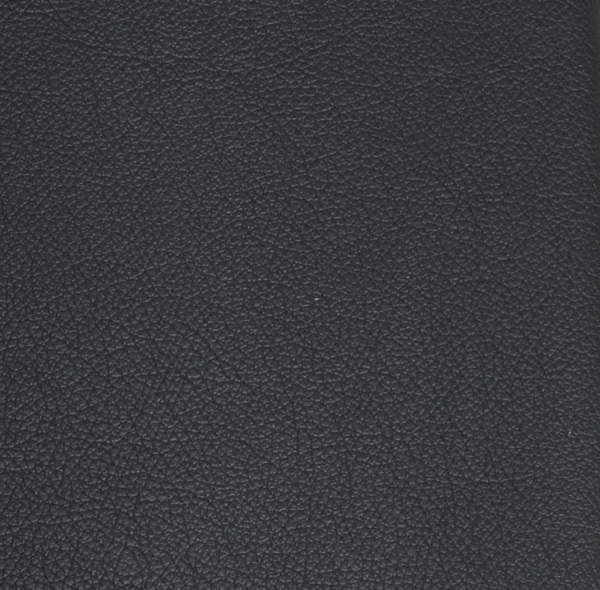
Black
Black Pebble Grain Cowhide
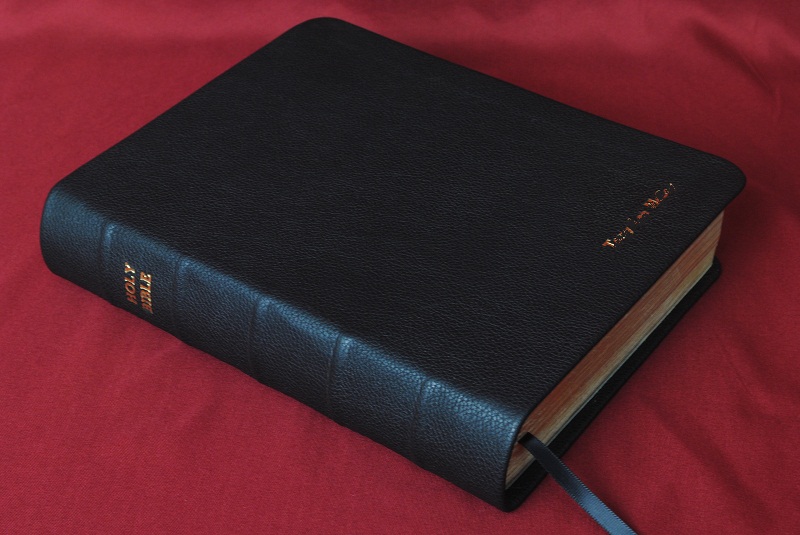
Larger Black Bible
Larger Black Pebble Grain Cowhide Bible
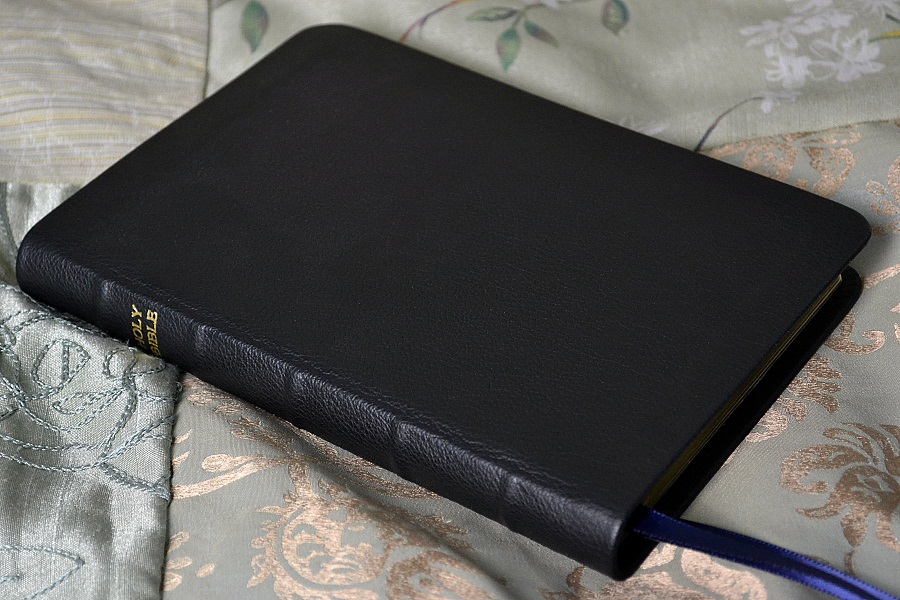
Thinner Black Bible
Thinner Black Pebble Grain Cowhide Bible
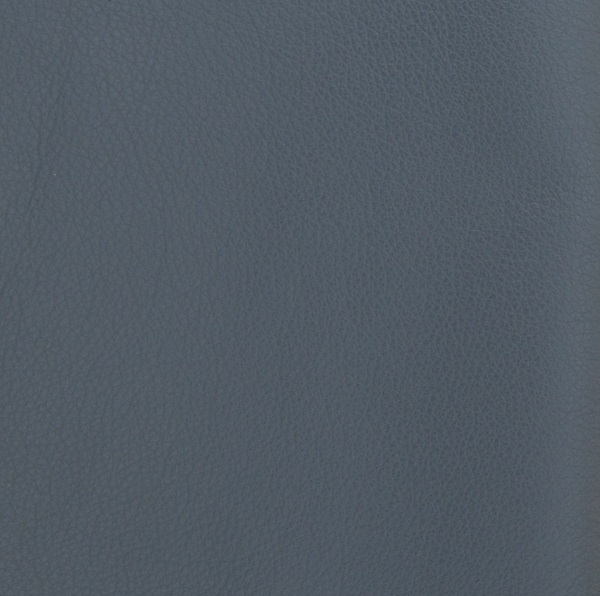
Gray
Gray Pebble Grain Cowhide
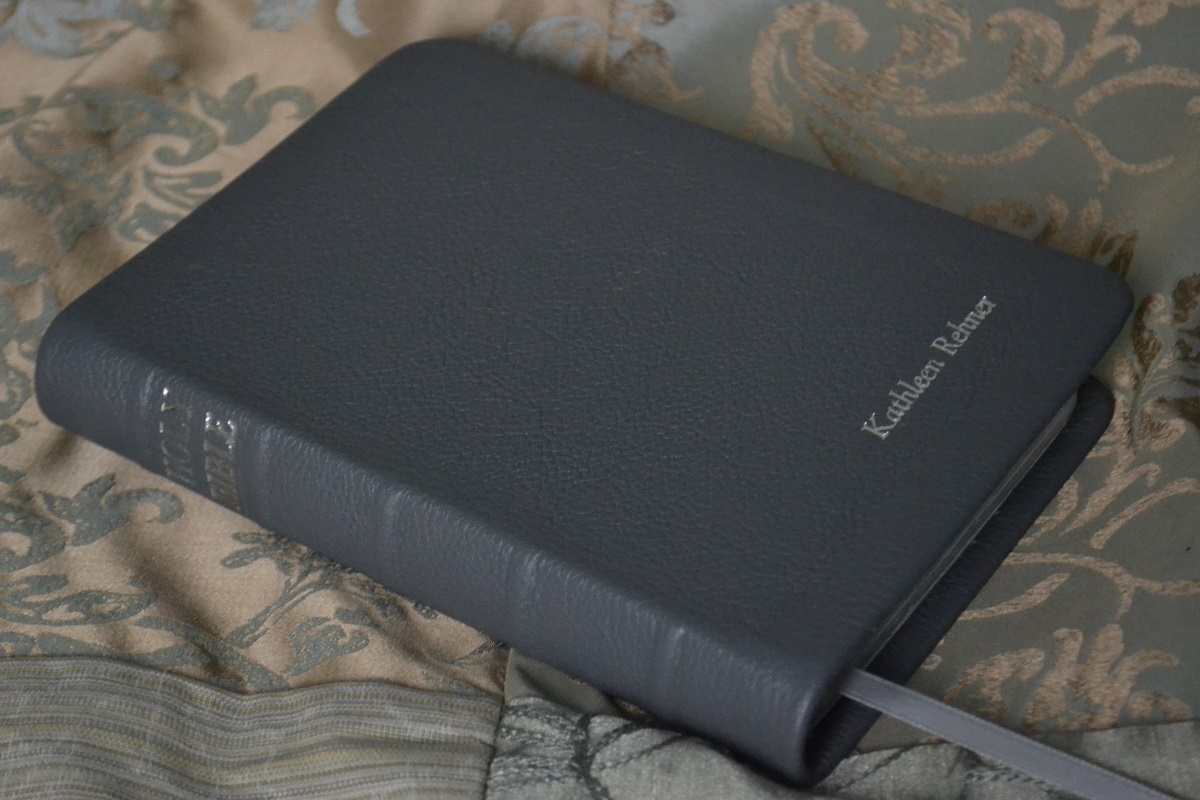
Gray Bible
Gray Pebble Grain Cowhide Bible

White
White Pebble Grain Cowhide
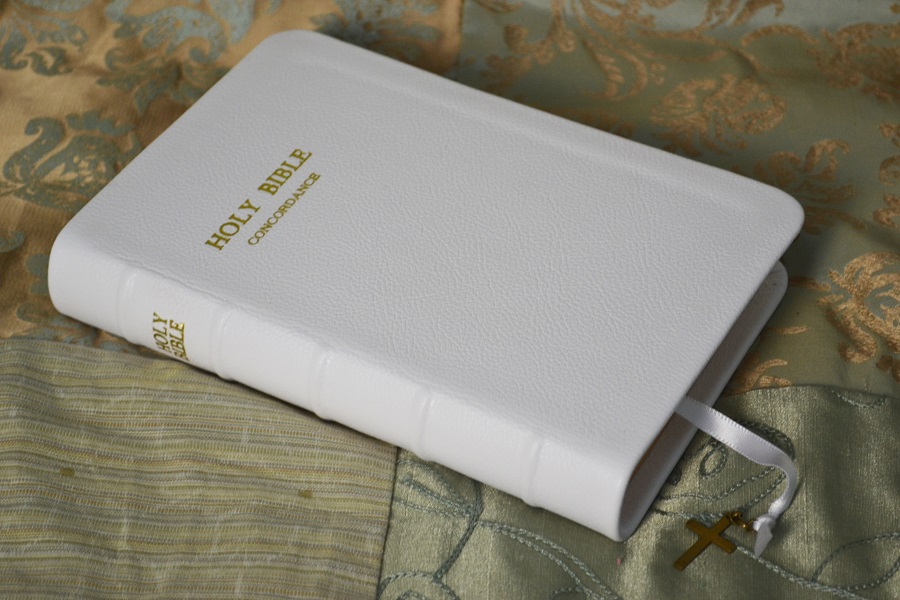
White Bible
White Pebble Grain Cowhide Bible
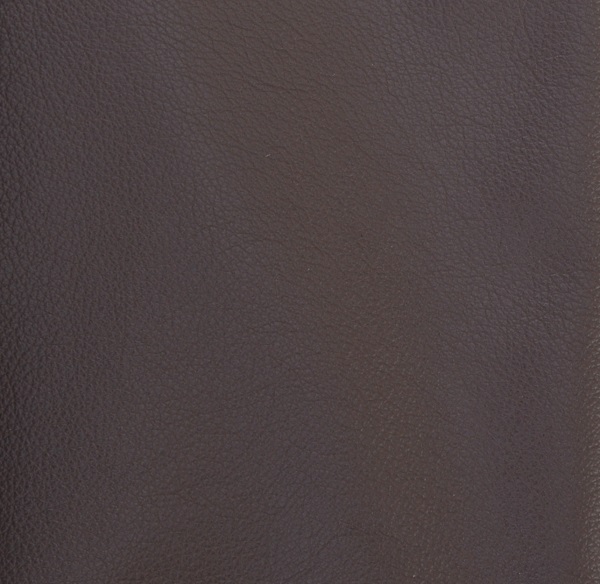
Brown
Brown Pebble Grain Cowhide
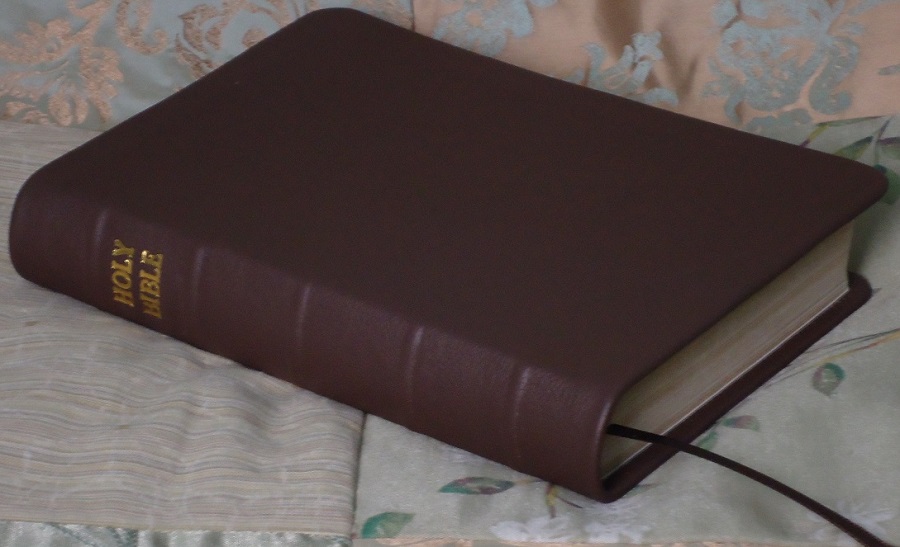
Brown Bible
Brown Pebble Grain Cowhide Bible
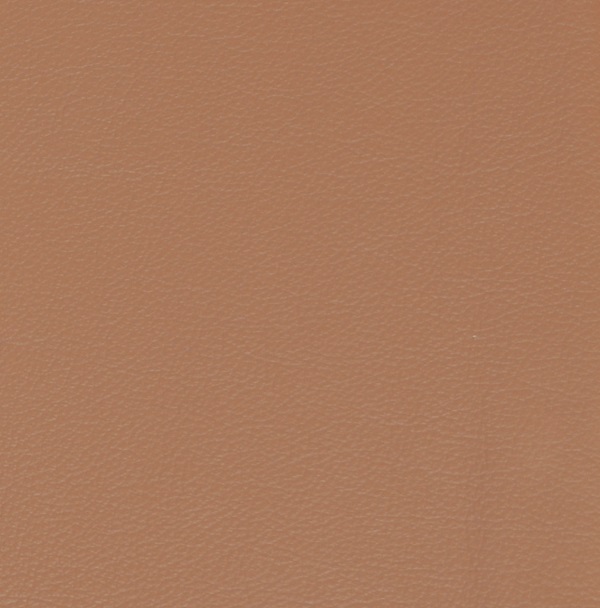
Tan
Tan Pebble Grain Cowhide
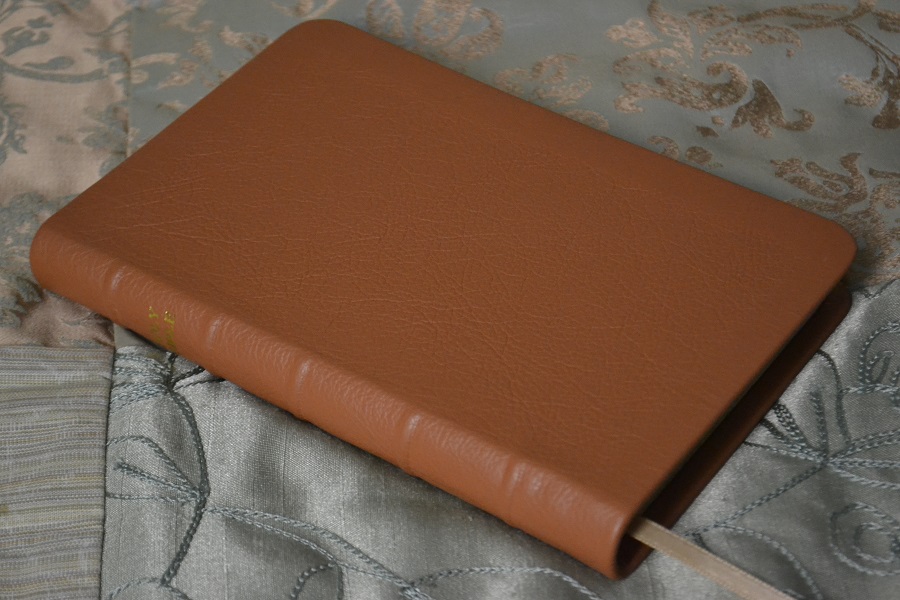
Tan Bible
Tan Pebble Grain Cowhide Bible
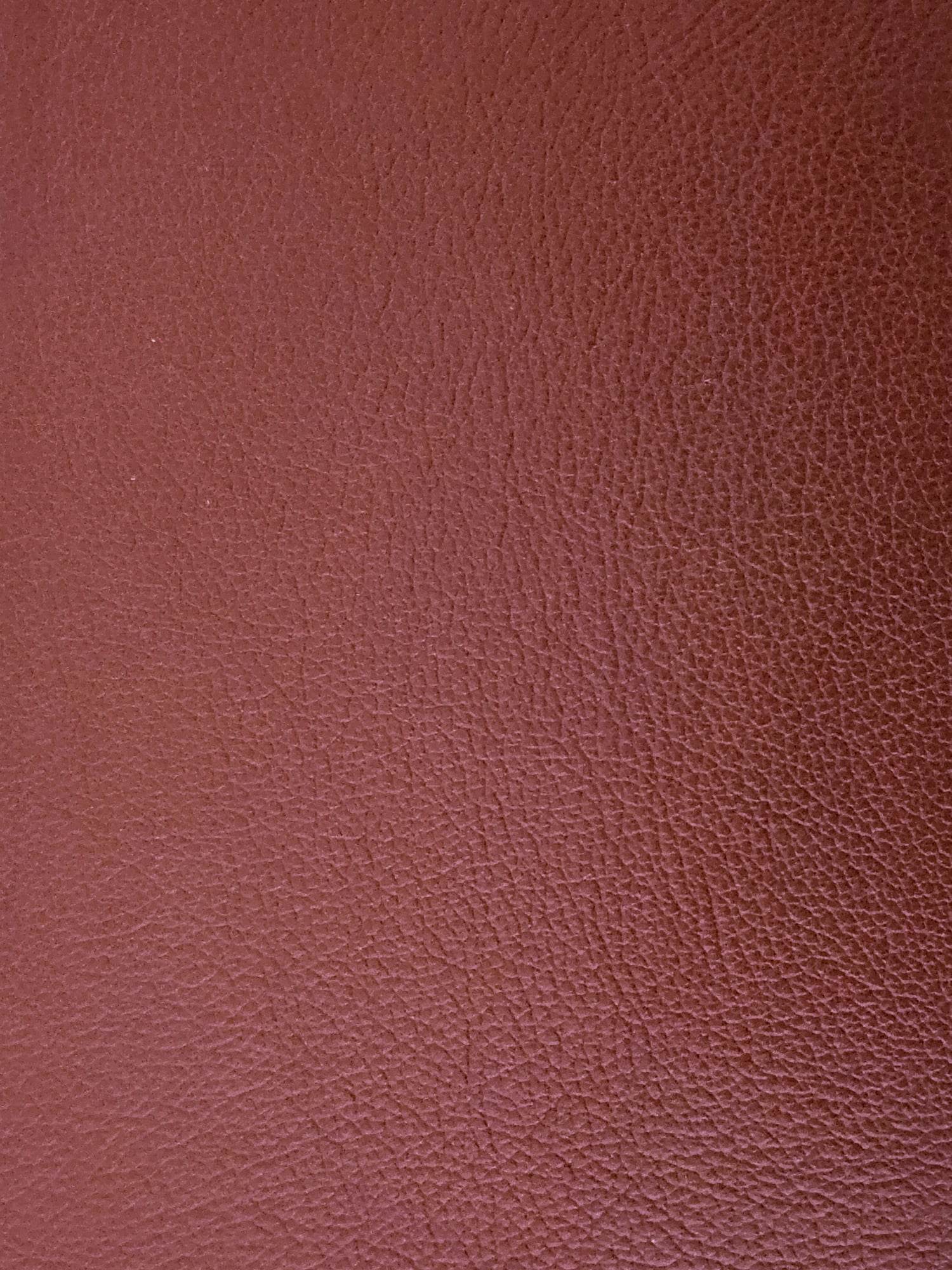
Burgundy
Burgundy Pebble Grain Cowhide
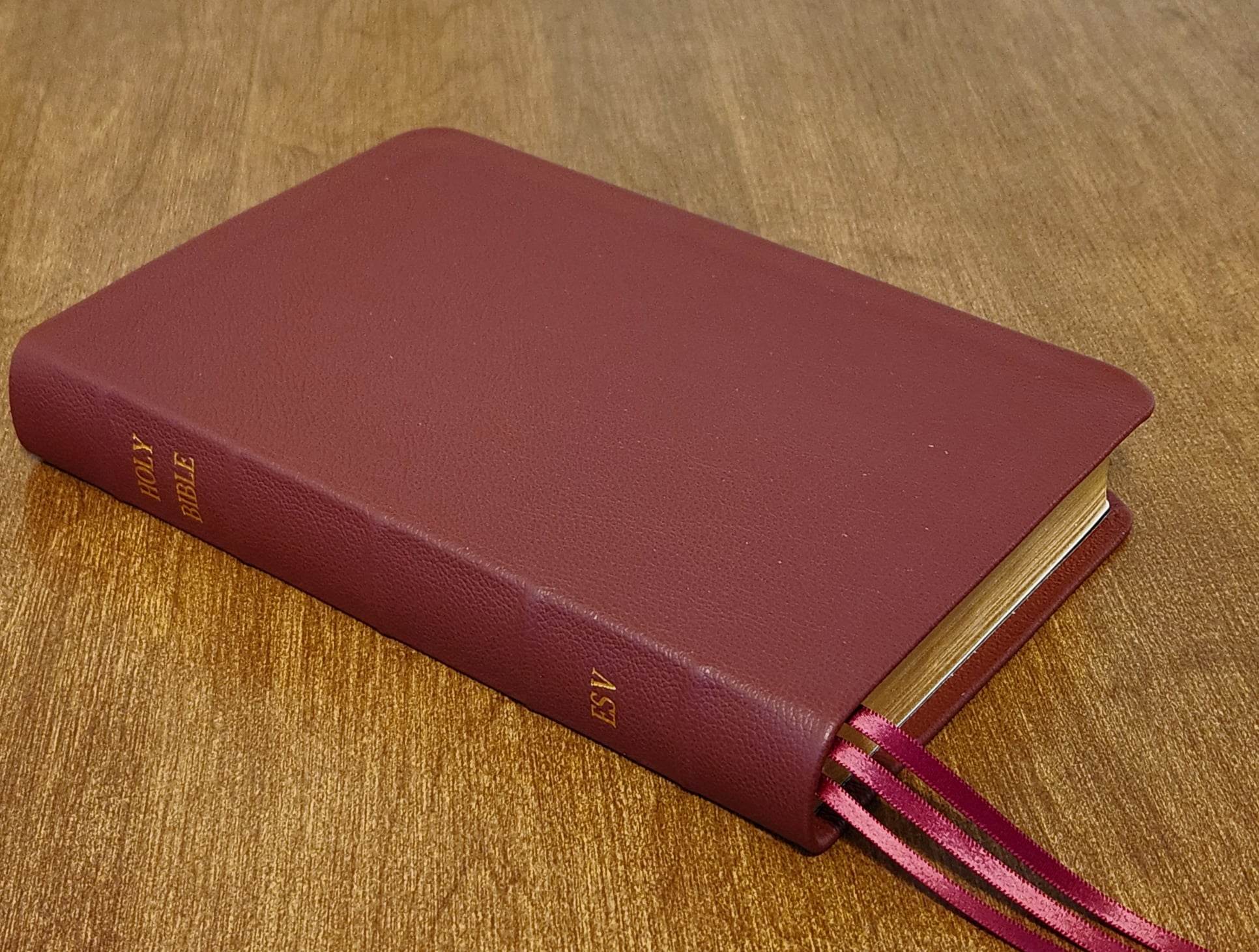
Burgundy Bible
Burgundy Pebble Grain Cowhide Bible
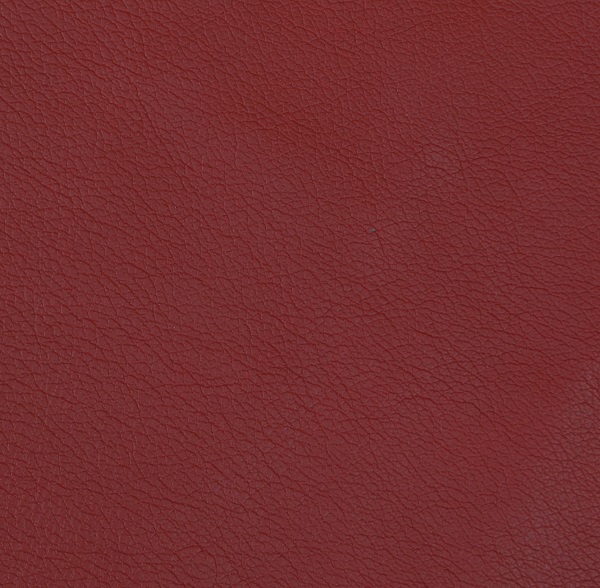
Dark Red
Dark Red Pebble Grain Cowhide
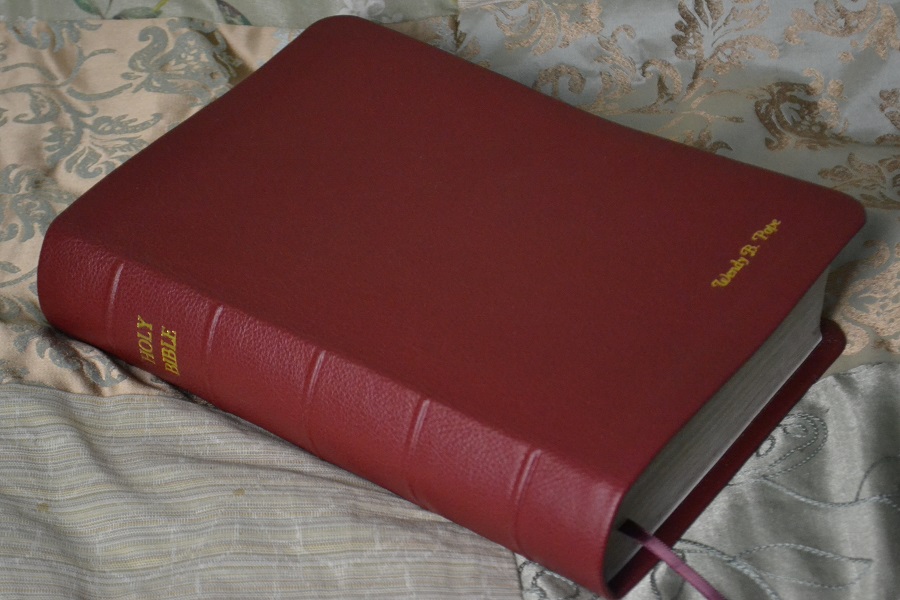
Dark Red Bible
Dark Red Pebble Grain Cowhide Bible
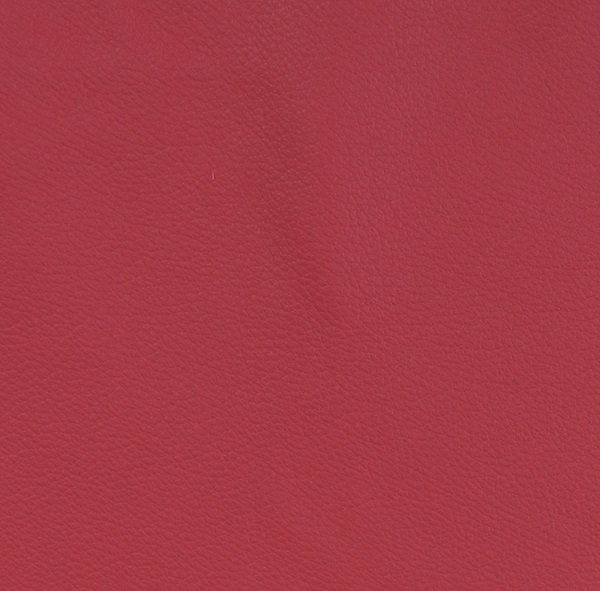
Red
Red Pebble Grain Cowhide
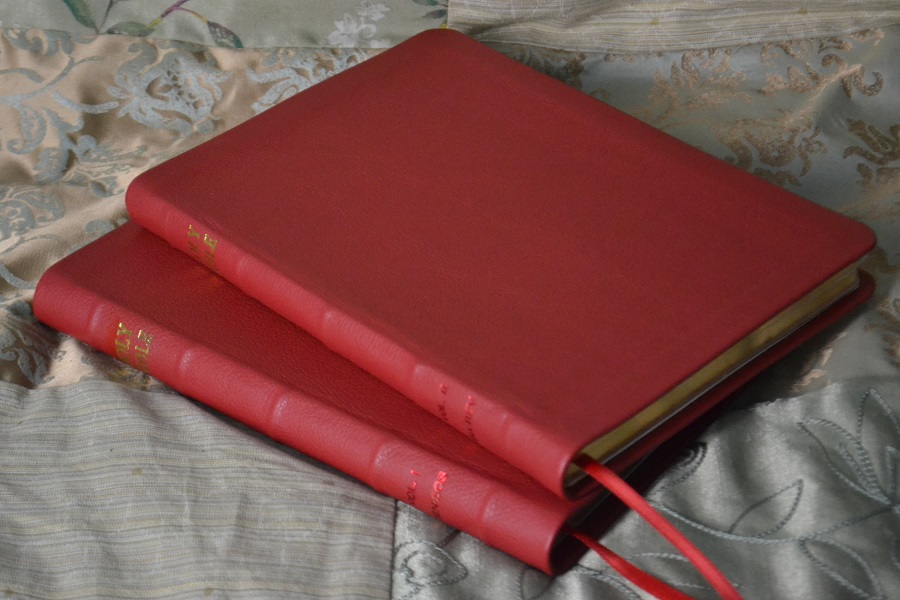
Red Bibles
Red Pebble Grain Cowhide Bibles
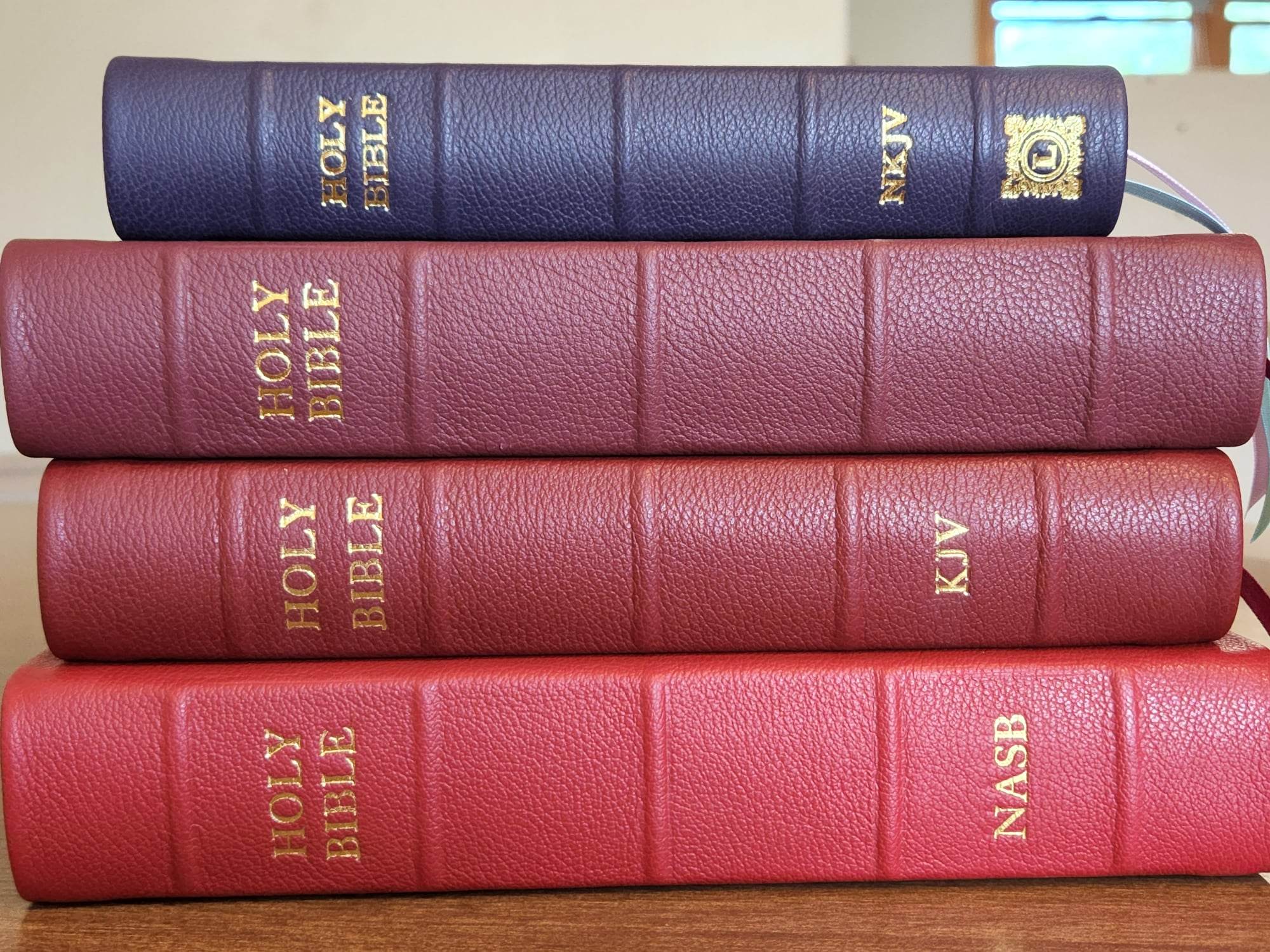
Dark Purple, Burgundy, Dark Red, Red Bibles
Dark Purple, Burgundy, Dark Red, and Red Pebble Grain Cowhide Bibles

Pink
Pink Pebble Grain Cowhide
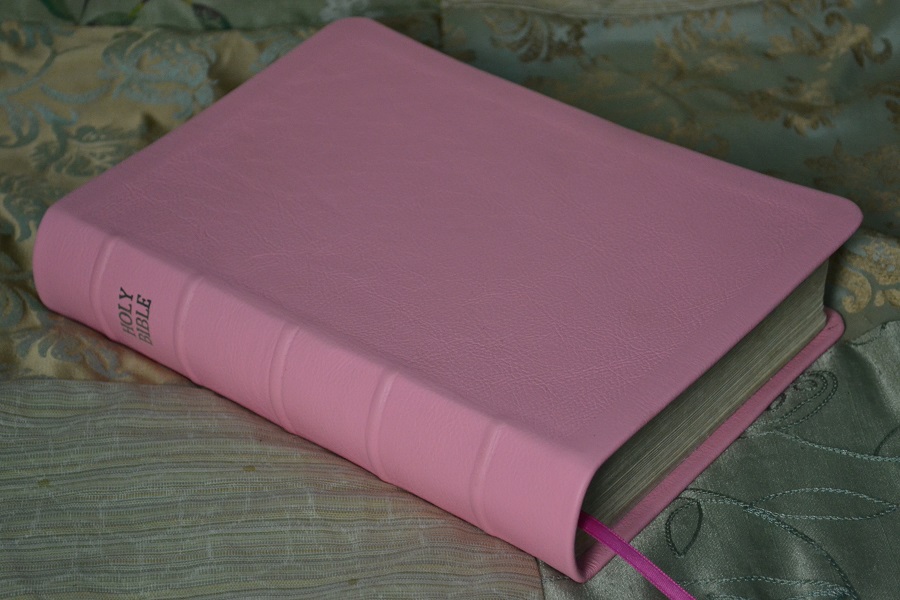
Pink Bible
Pink Pebble Grain Cowhide Bible
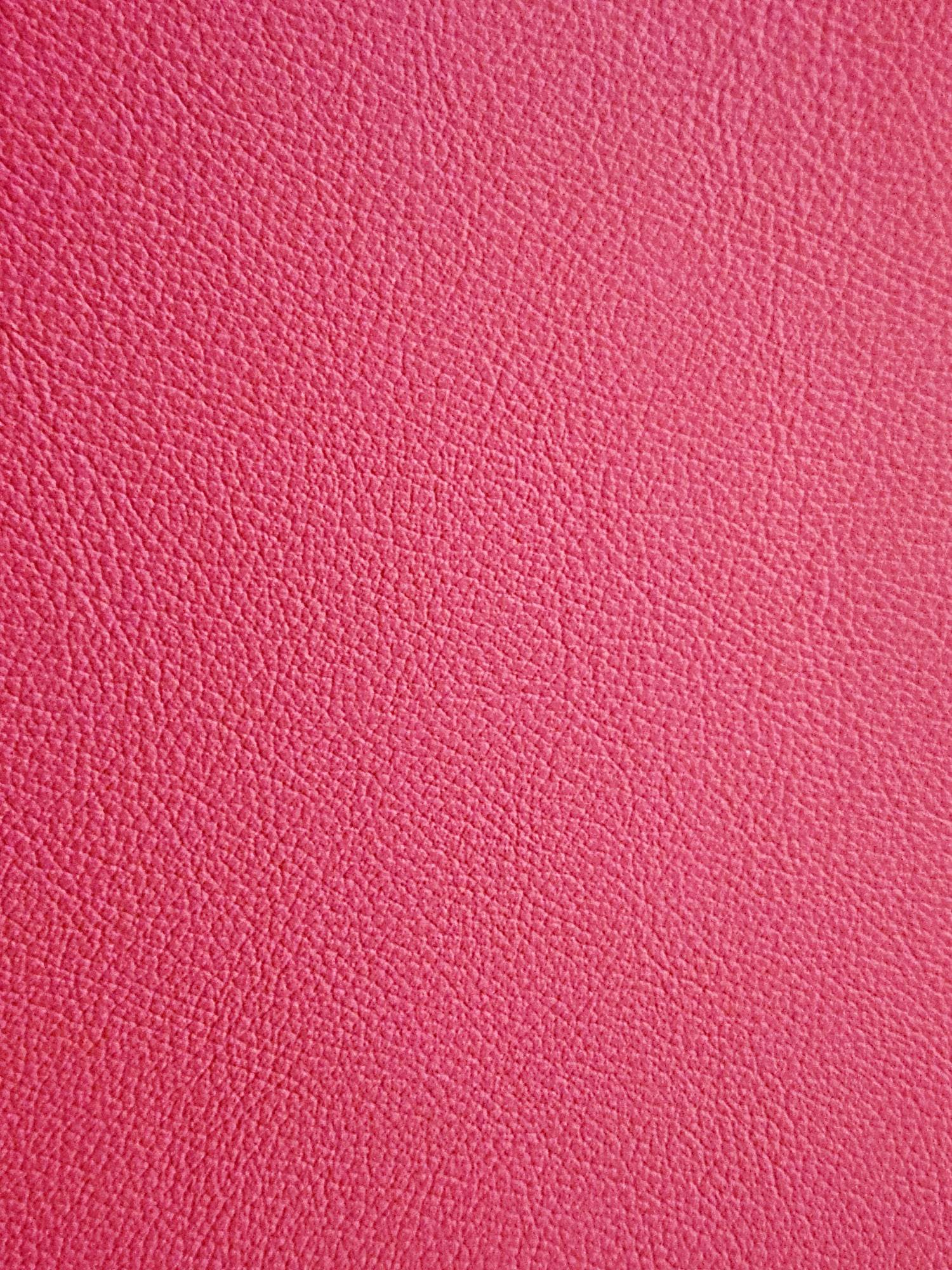
Hot Pink
Hot Pink Pebble Grain Cowhide
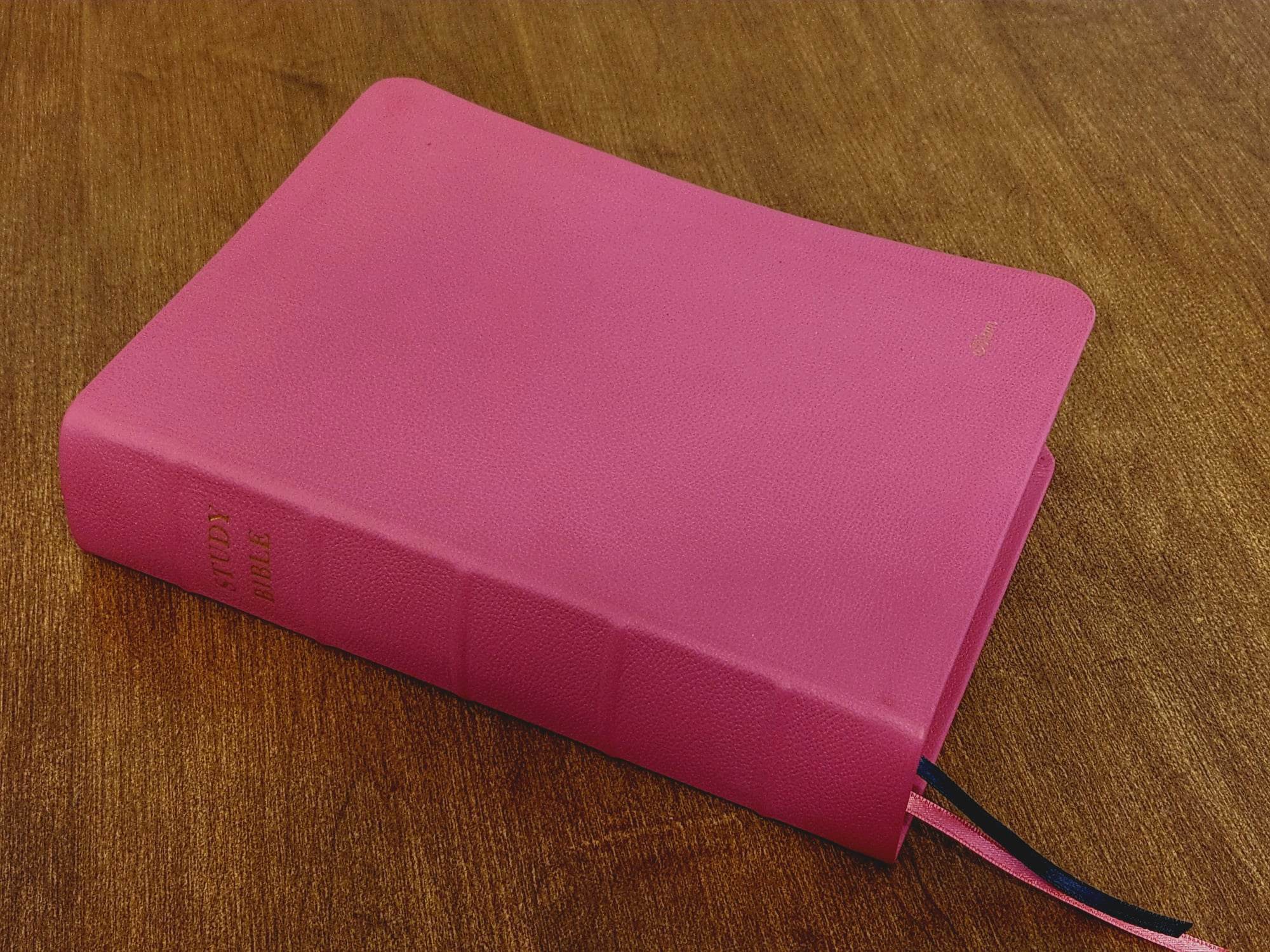
Hot Pink Bible
Hot Pink Pebble Grain Cowhide Bible
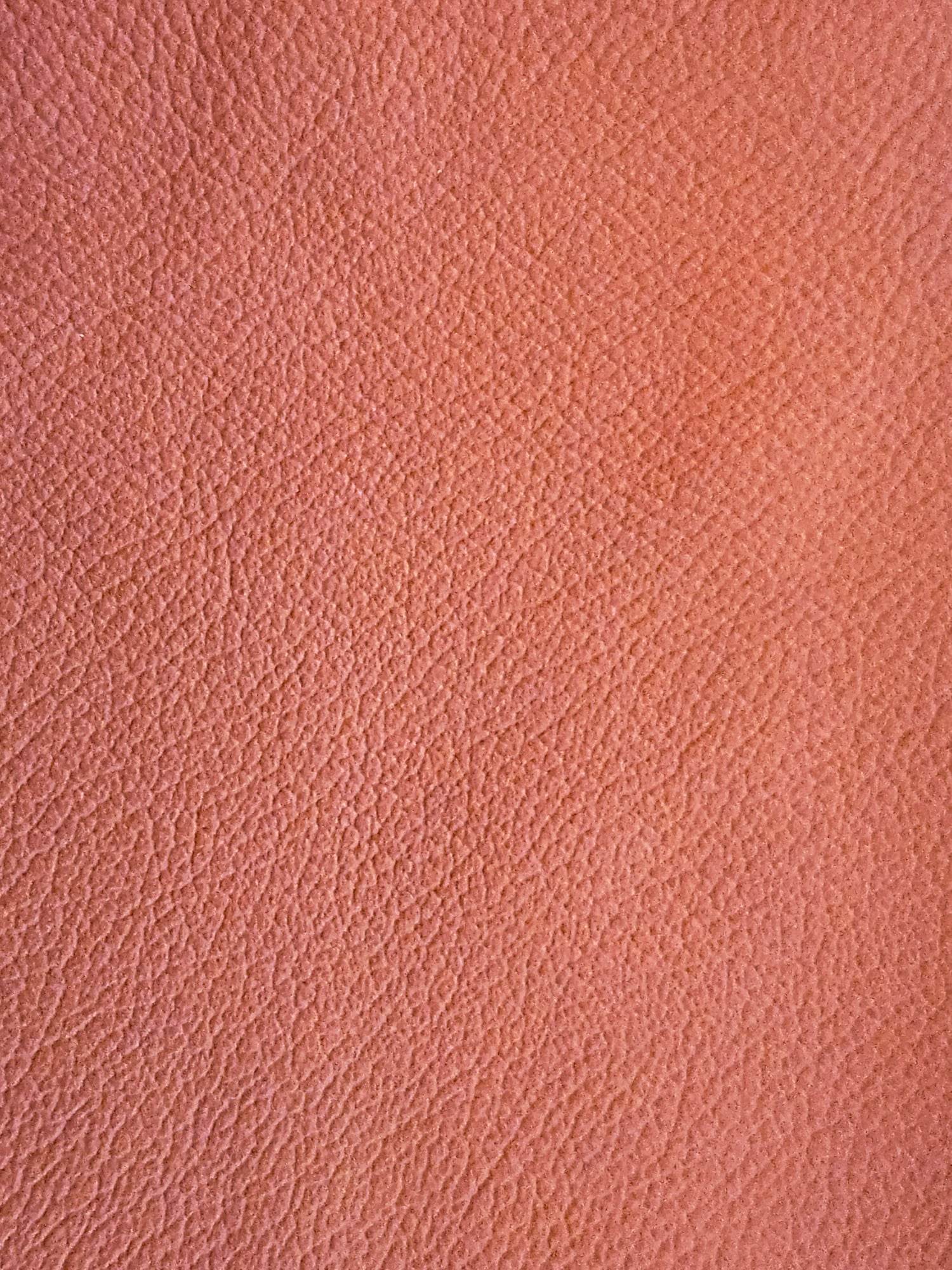
Coral
Coral Pebble Grain Cowhide
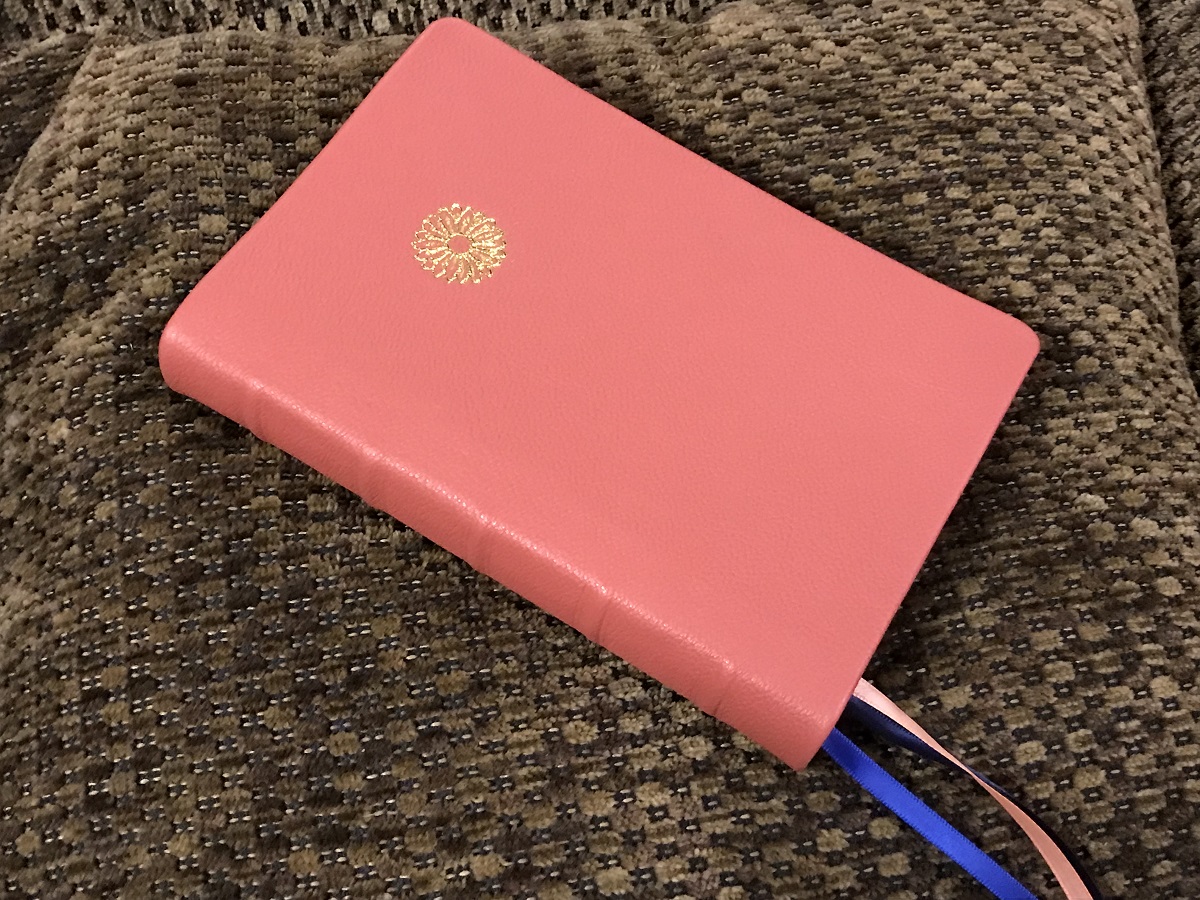
Coral Bible
Coral Pebble Grain Cowhide Bible
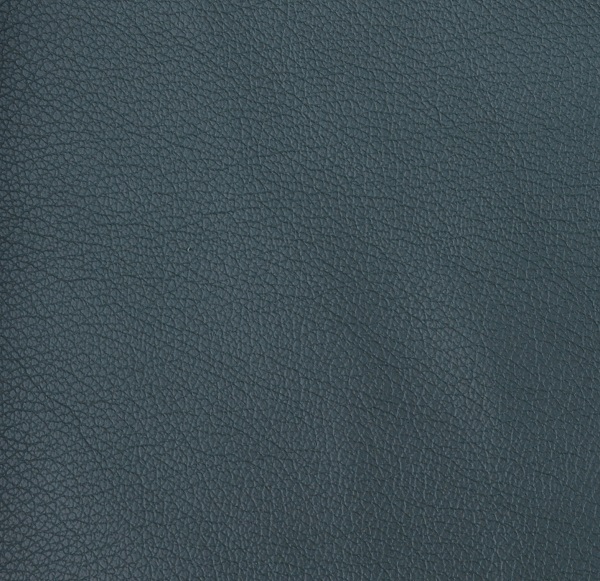
Forest
Forest Pebble Grain Cowhide
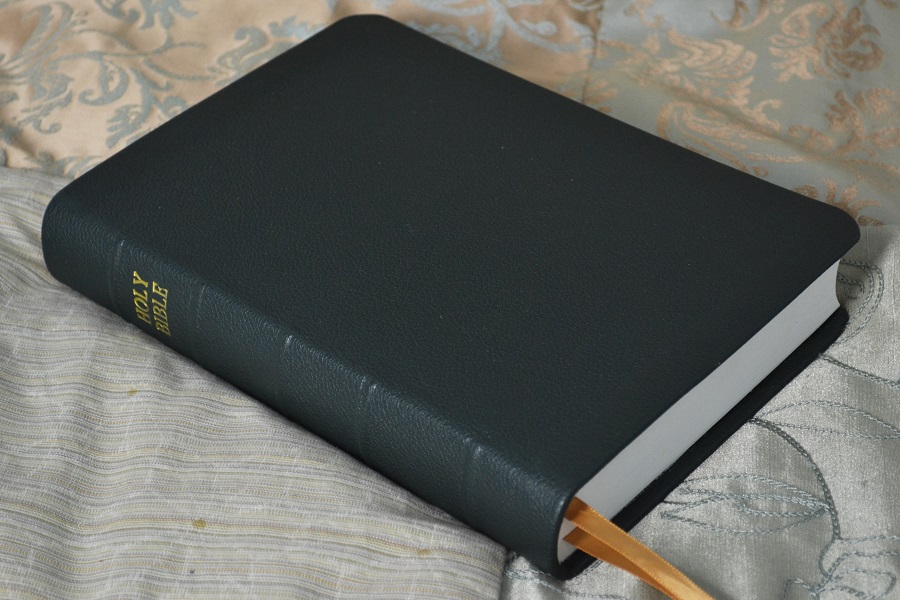
Forest Bible
Forest Pebble Grain Cowhide Bible
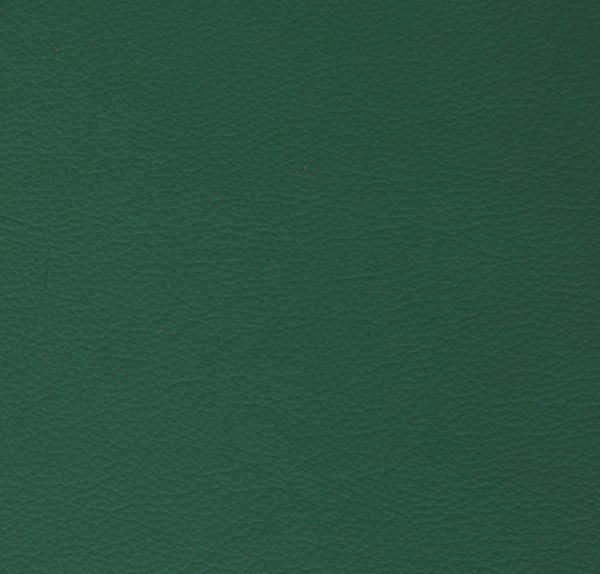
Green
Green Pebble Grain Cowhide

Green Bible
Green Pebble Grain Cowhide Bible
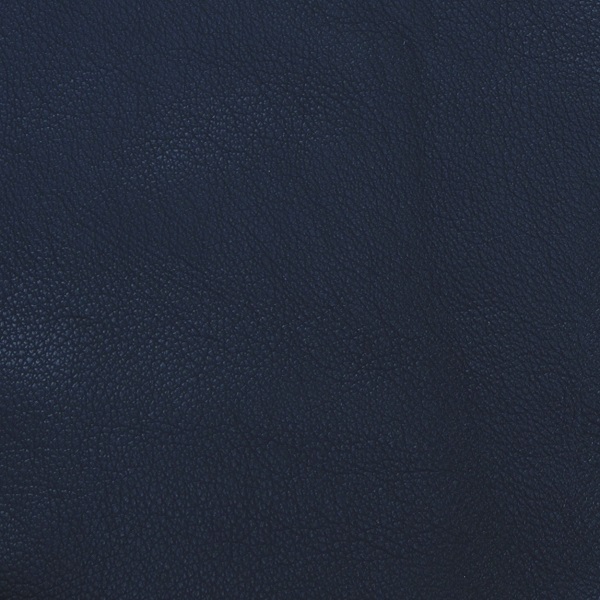
Navy
Navy Pebble Grain Cowhide
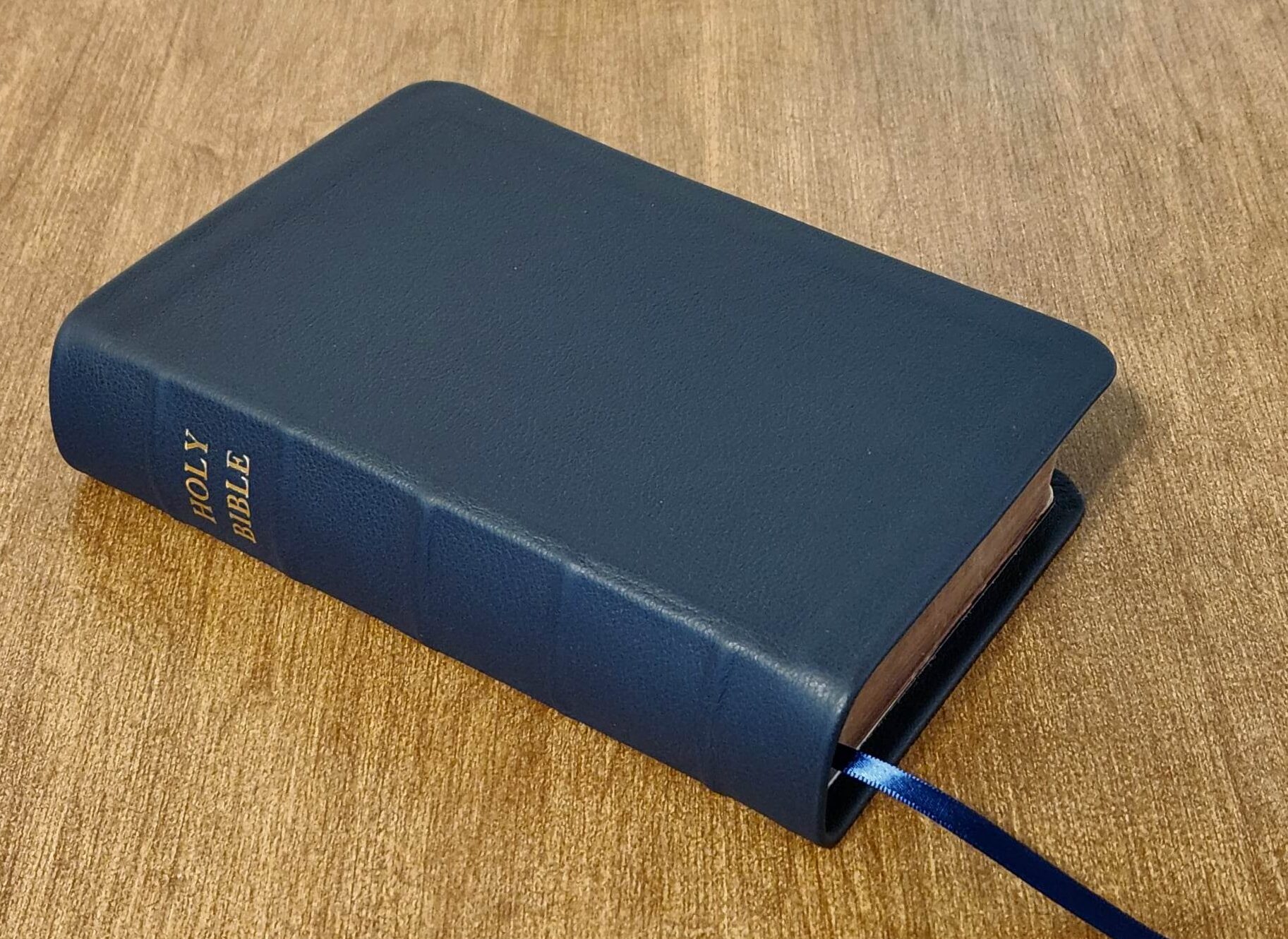
Navy Bible
Navy Pebble Grain Cowhide Bible

Royal Blue
Royal Blue Pebble Grain Cowhide
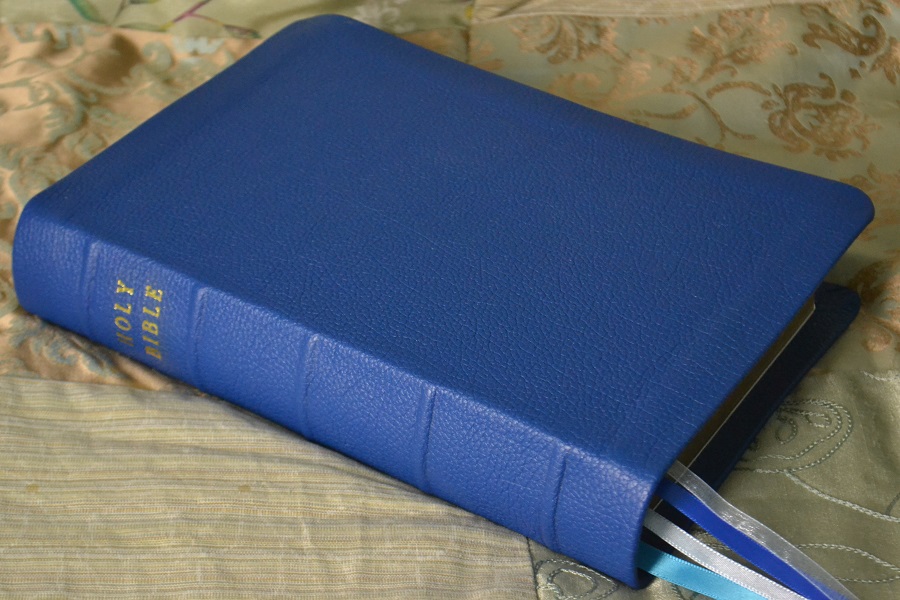
Royal Blue Bible
Royal Blue Pebble Grain Cowhide Bible

Steel Blue
Steel Blue Pebble Grain Cowhide
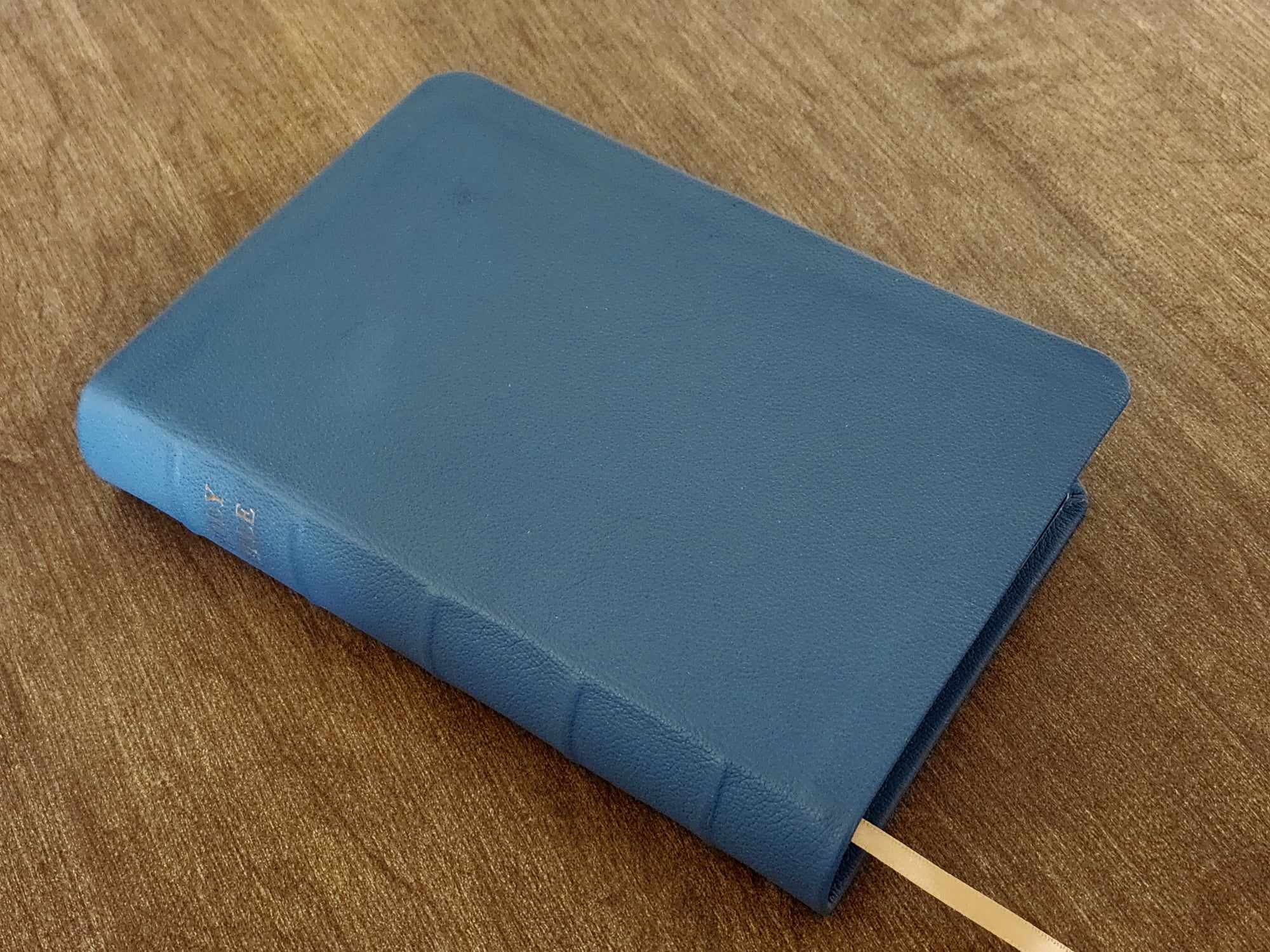
Steel Blue Bible
Steel Blue Pebble Grain Cowhide Bible

Turquoise
Turquoise Pebble Grain Cowhide

Turquoise Bible
Turquoise Pebble Grain Cowhide Bible

Baby Blue
Baby Blue Pebble Grain Cowhide
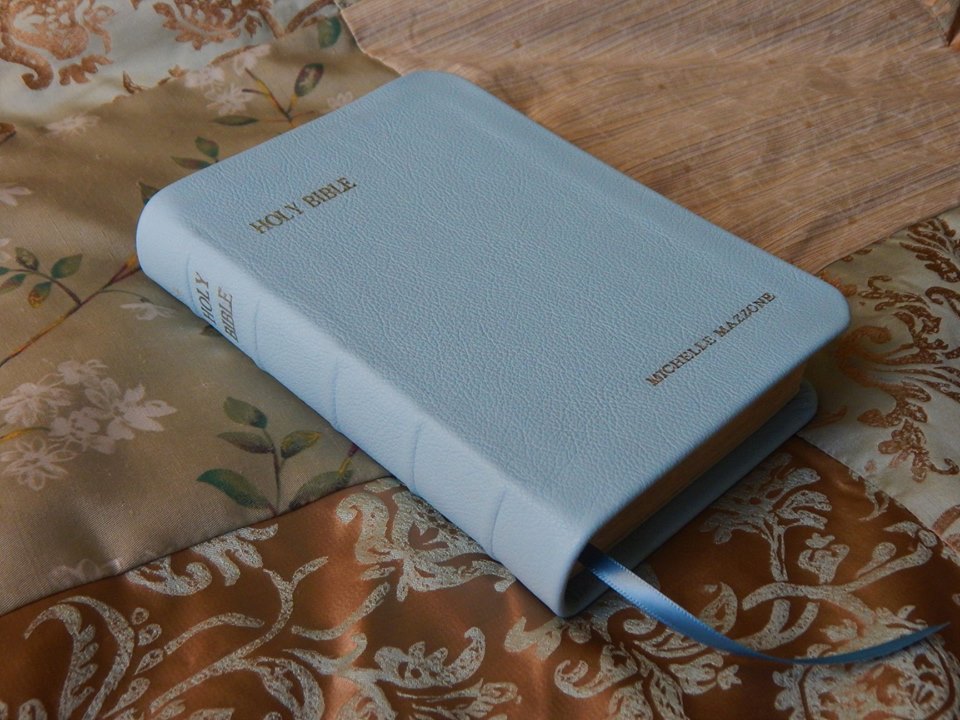
Baby Blue Bible
Baby Blue Pebble Grain Cowhide Bible
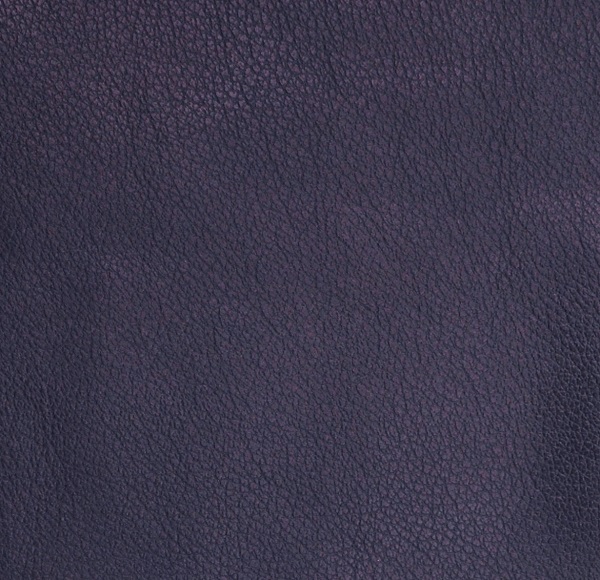
Dark Purple
Dark Purple Pebble Grain Cowhide

Dark Purple Bible
Dark Purple Pebble Grain Cowhide Bible
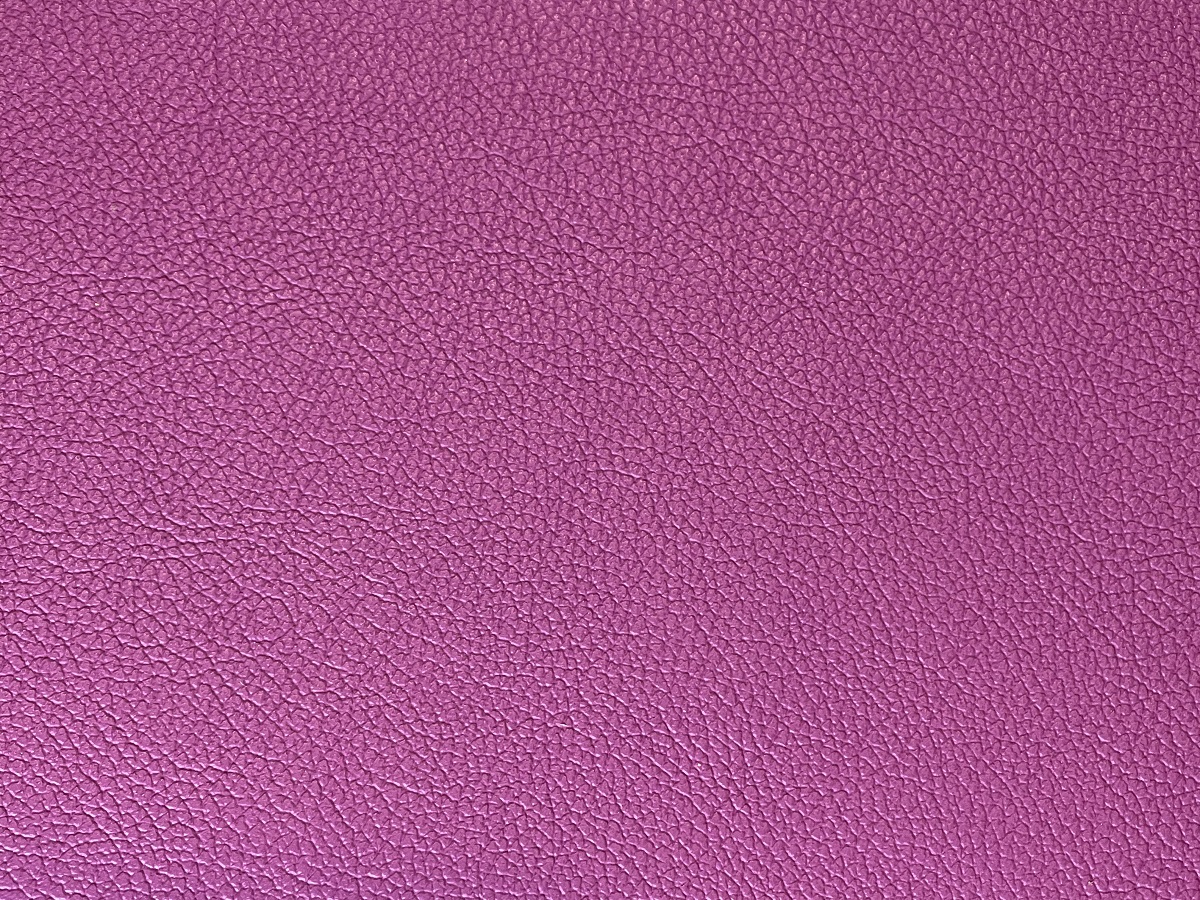
Magenta
Magenta Pebble Grain Cowhide
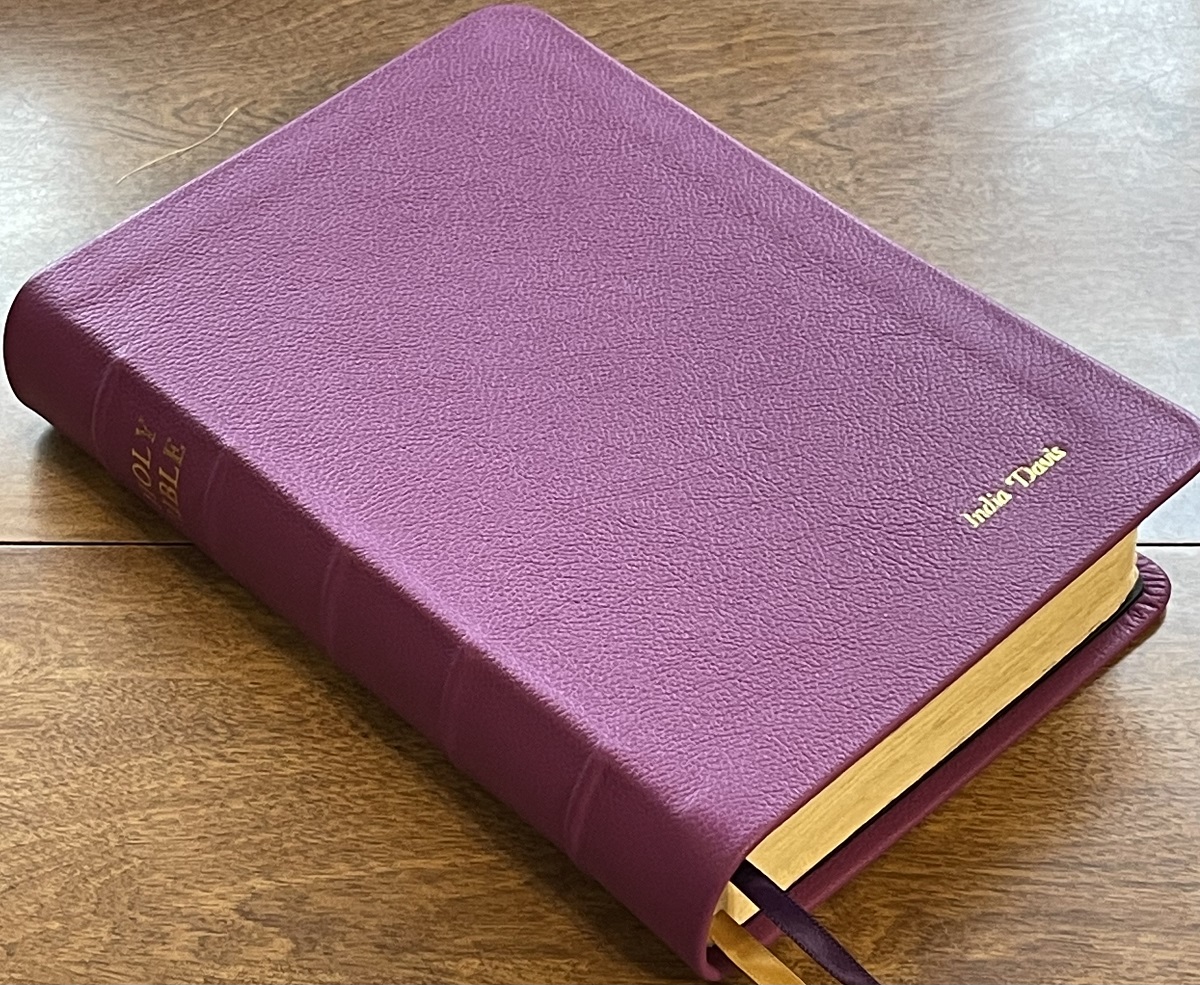
Magenta Bible
Magenta Pebble Grain Cowhide Bible

Lilac
Lilac Pebble Grain Cowhide

Lilac Bible
Lilac Pebble Grain Cowhide Bible
These are our amazingly thick full-grain cowhides, great for larger Bibles. They feel soft and flexible, but we can also add some extra reinforcement inside so they are not too floppy on a larger, heavy Bible.
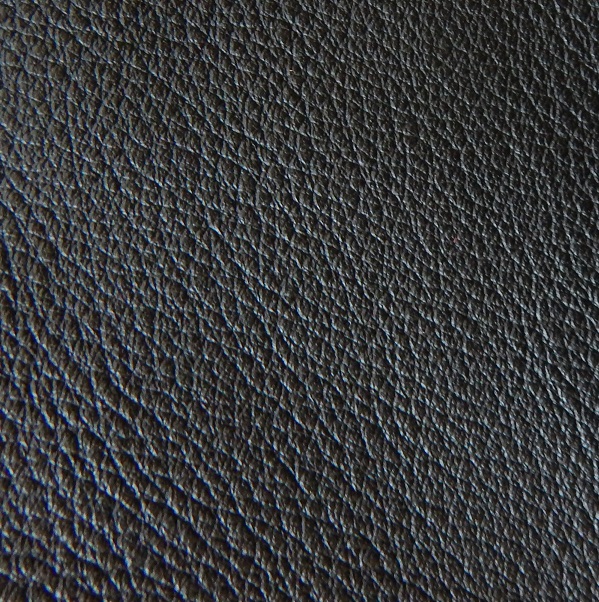
Black
Black Thicker Cowhide

Black Bible
Black Thicker Cowhide Bible
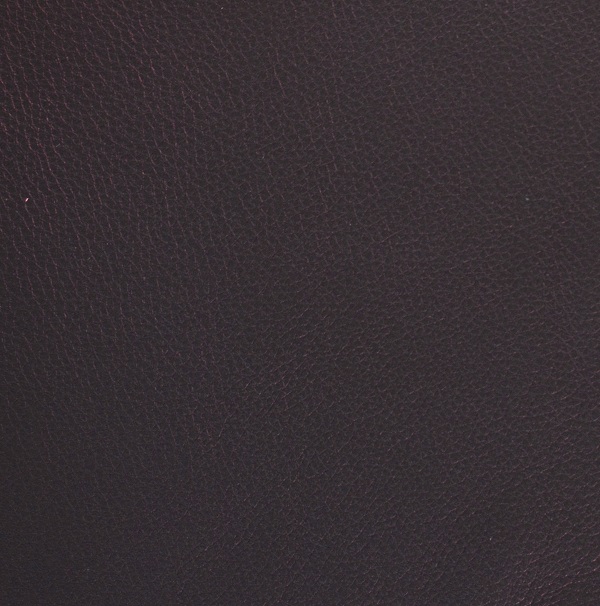
Chocolate
Chocolate Thicker Cowhide
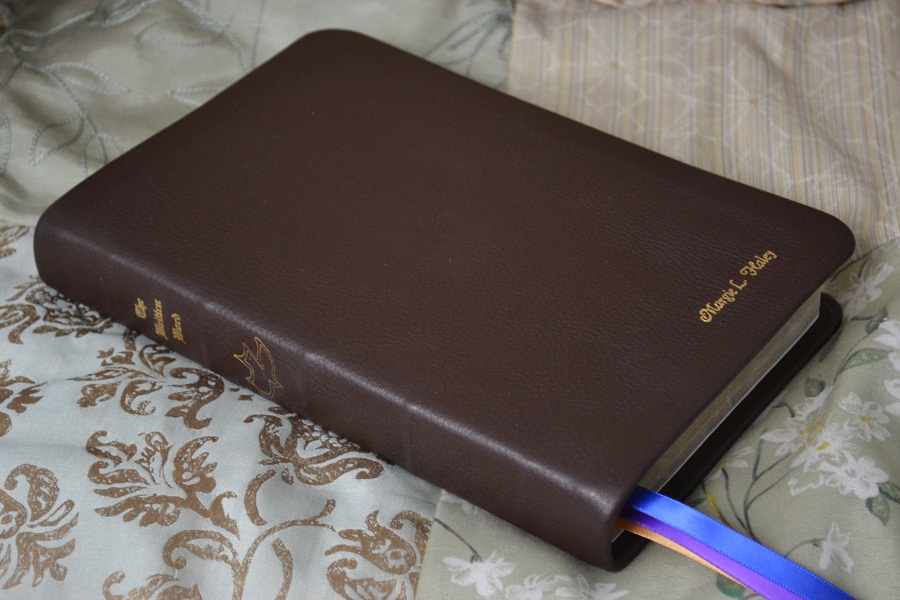
Chocolate Bible
Thicker Chocolate Cowhide Bible
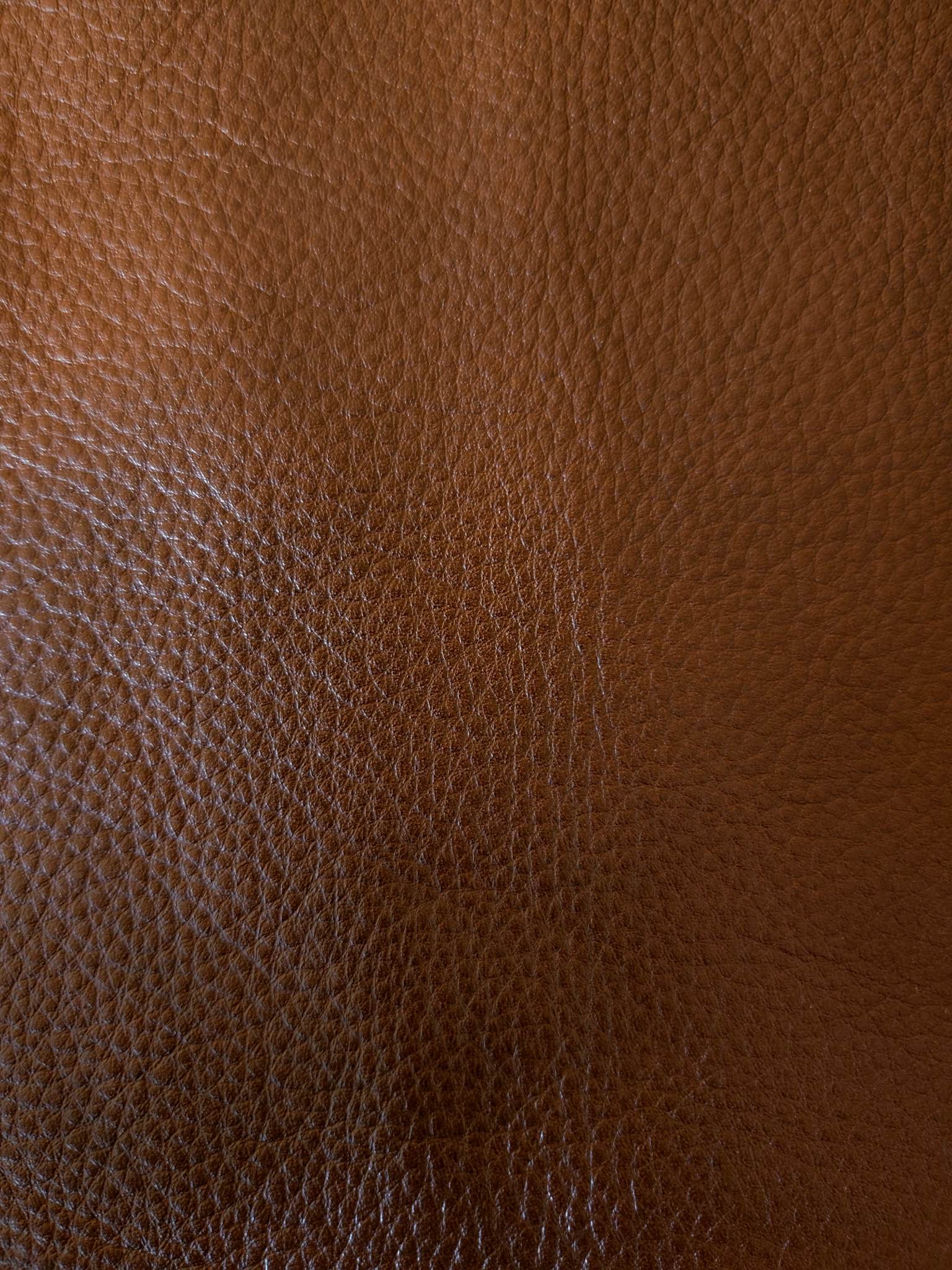
Walnut
Walnut Thicker Cowhide
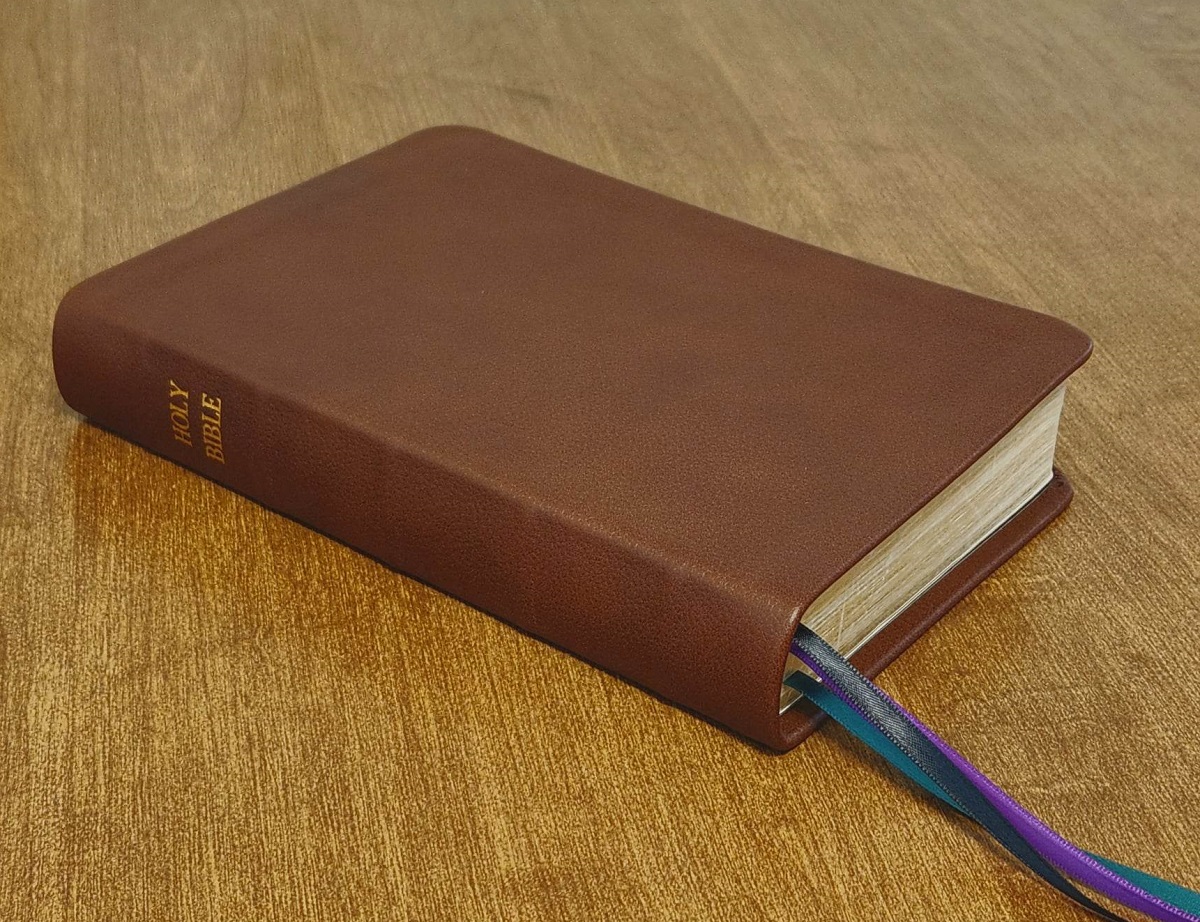
Walnut Bible
Walnut Thicker Cowhide Bible
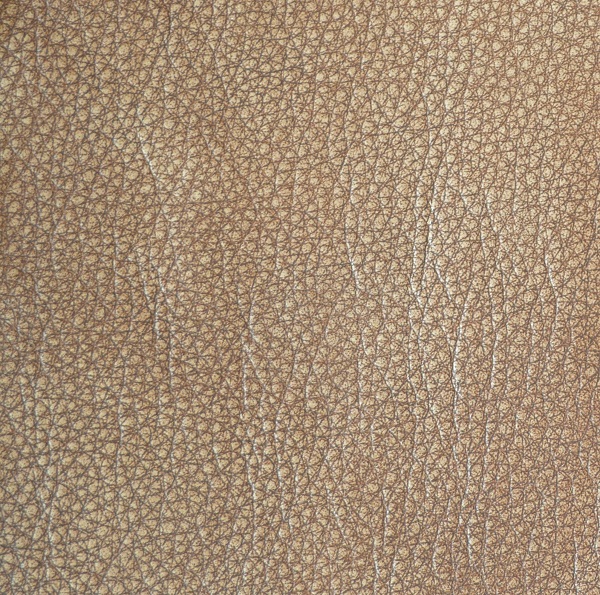
Camel
Camel Bomber Cowhide
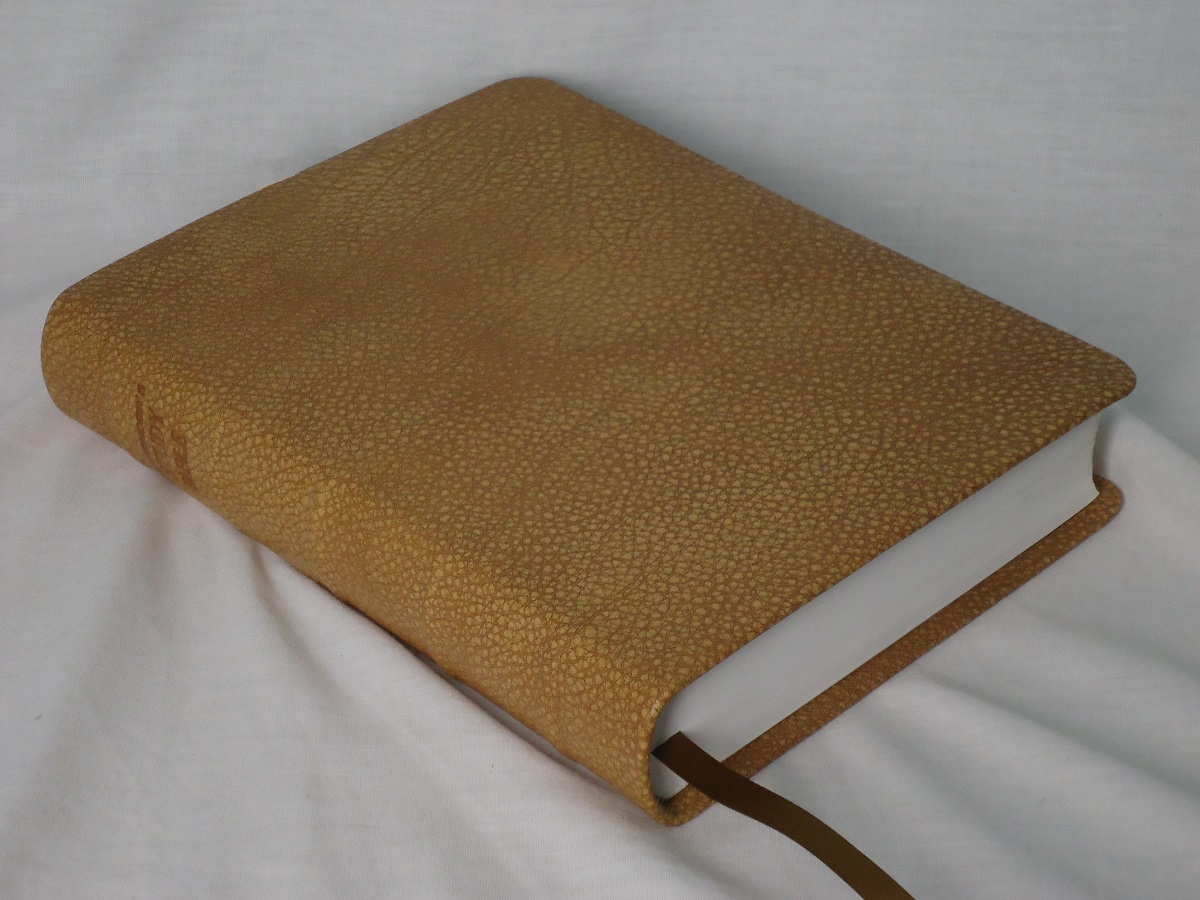
Camel Bible
Camel Bomber Cowhide Bible
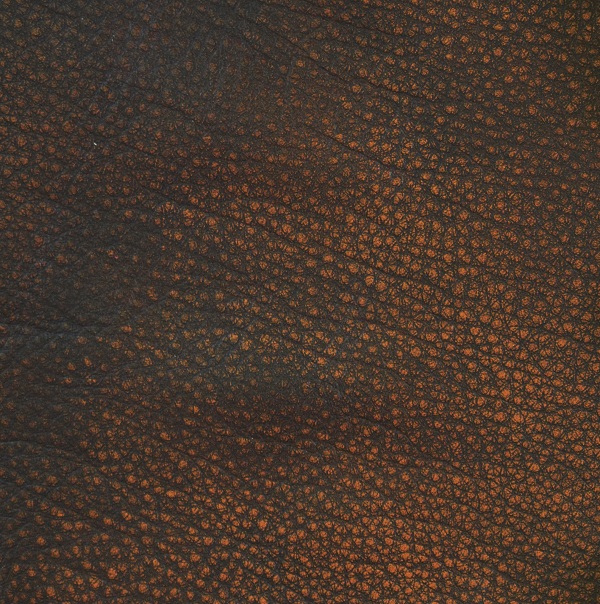
Hazelnut
Hazelnut Bomber Cowhide
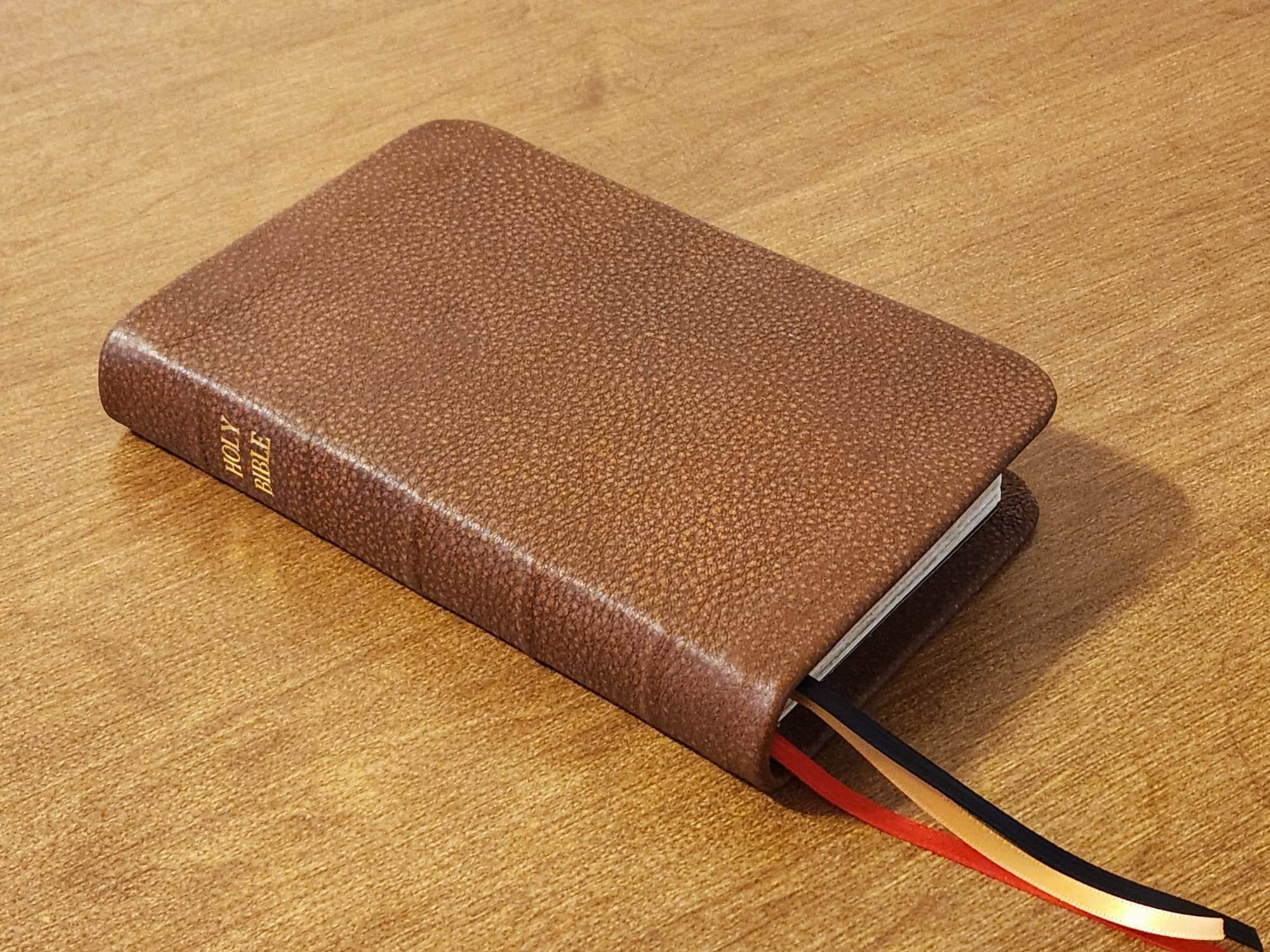
Hazelnut Bible
Hazelnut Bomber Cowhide Bible
These cowhides are soft, smooth and flexible and will give your Bible a new lease on life. They have a more matte finish.
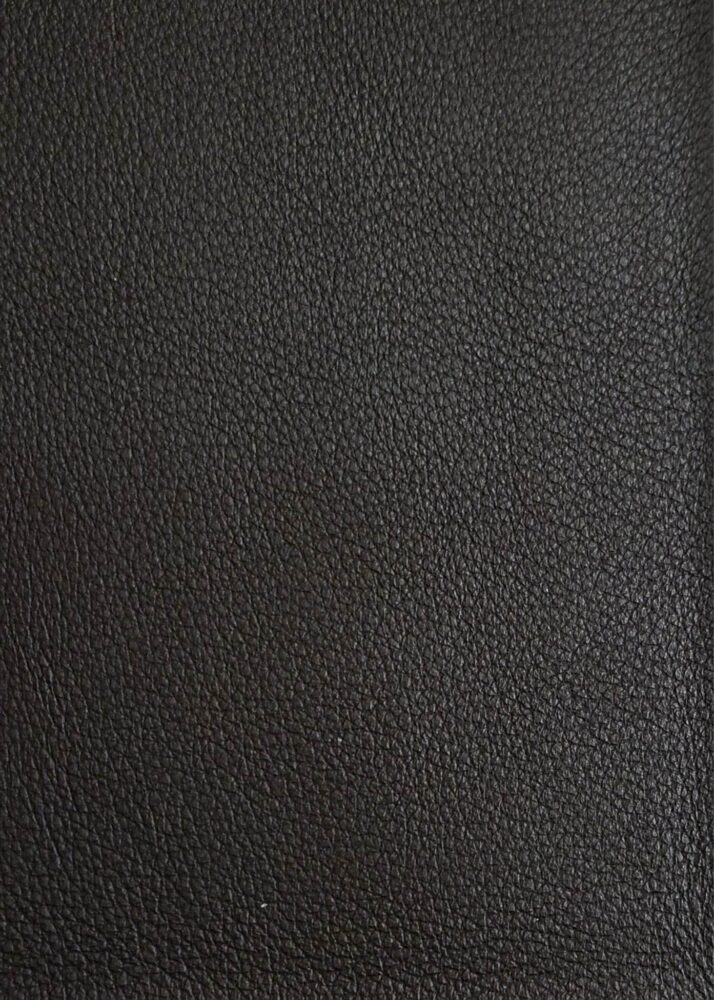
Black
Black Smooth Cowhide
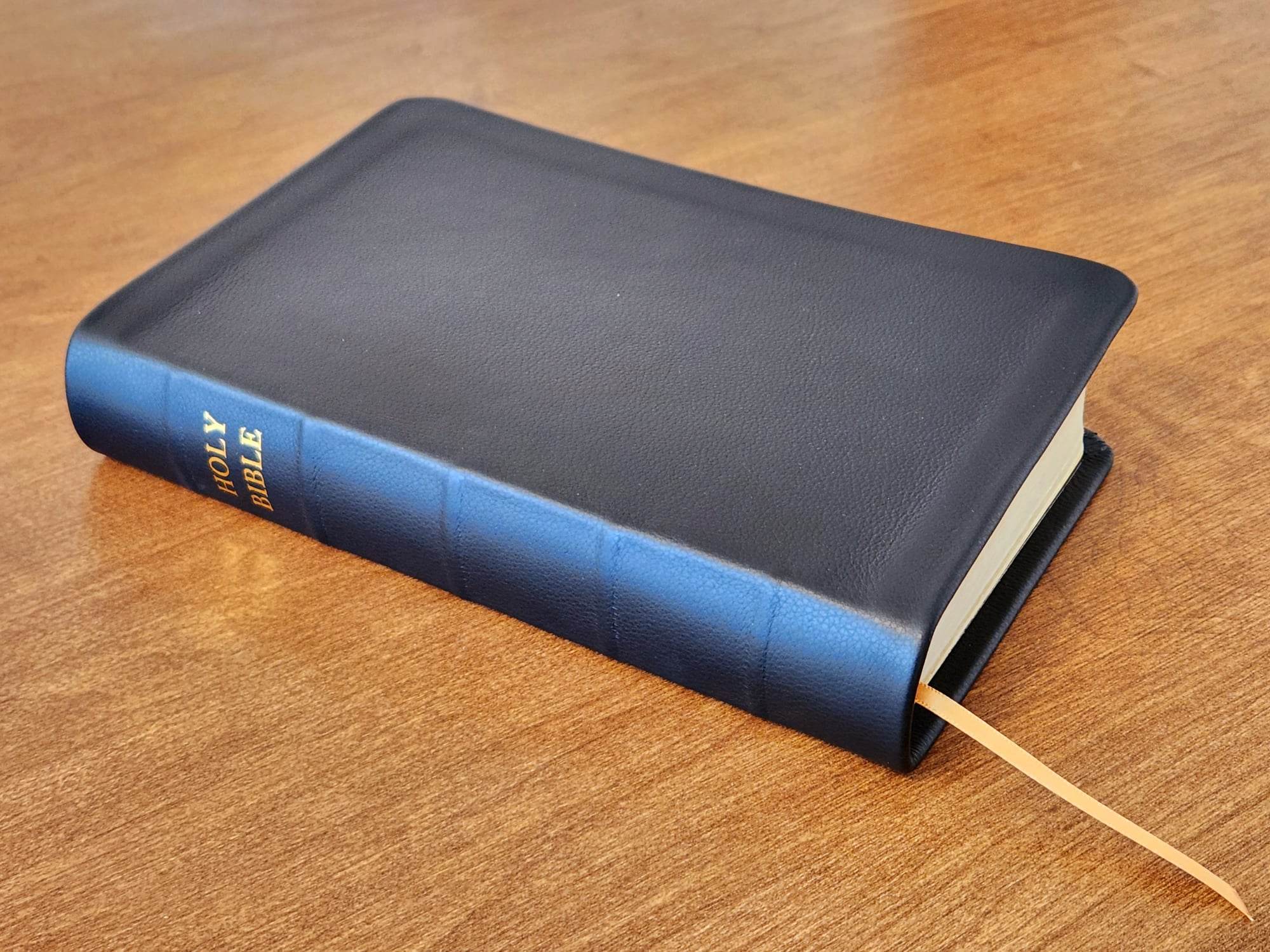
Black Bible
Black Smooth Cowhide Bible
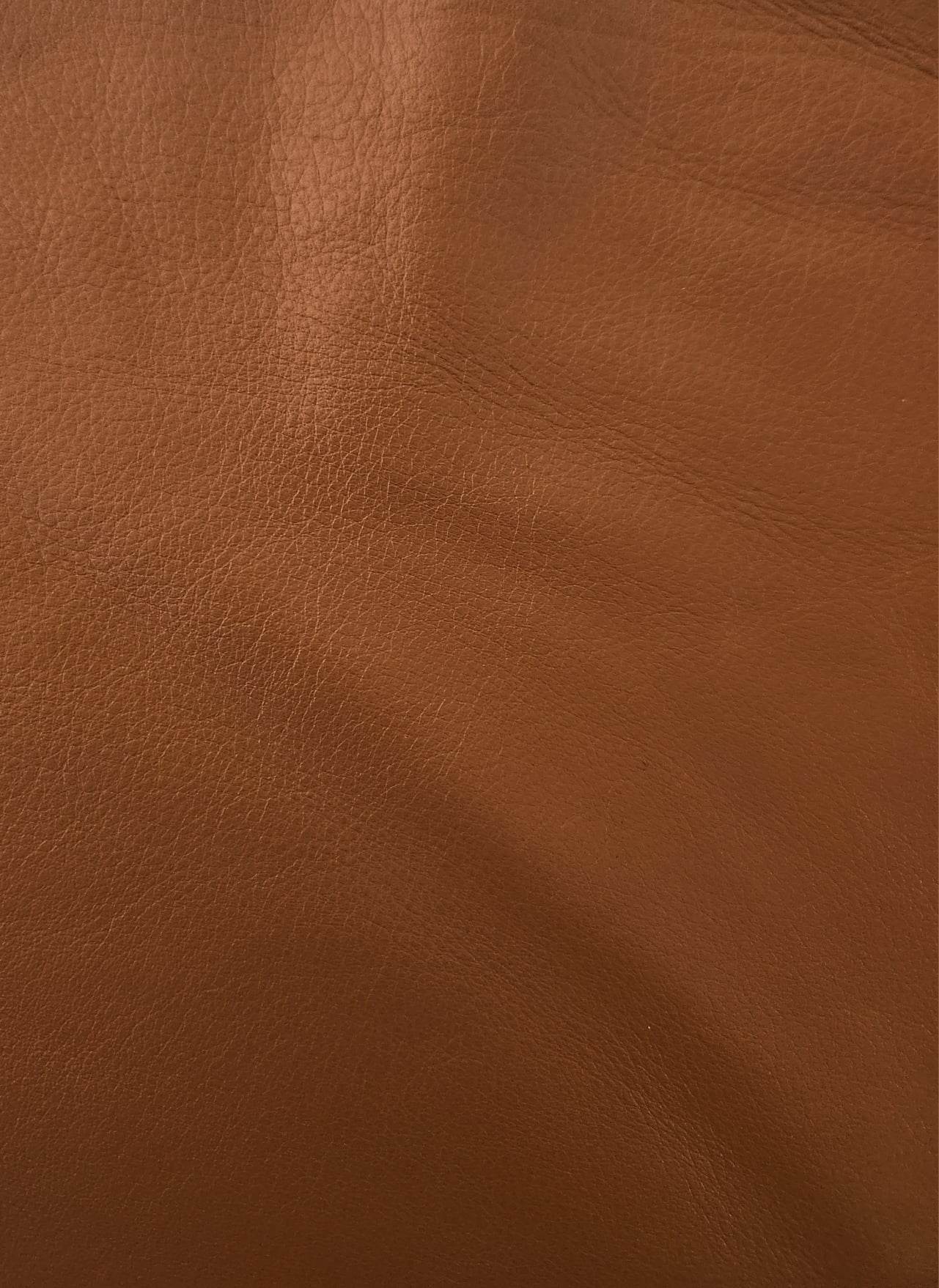
Light Brown
Light Brown Smooth Cowhide
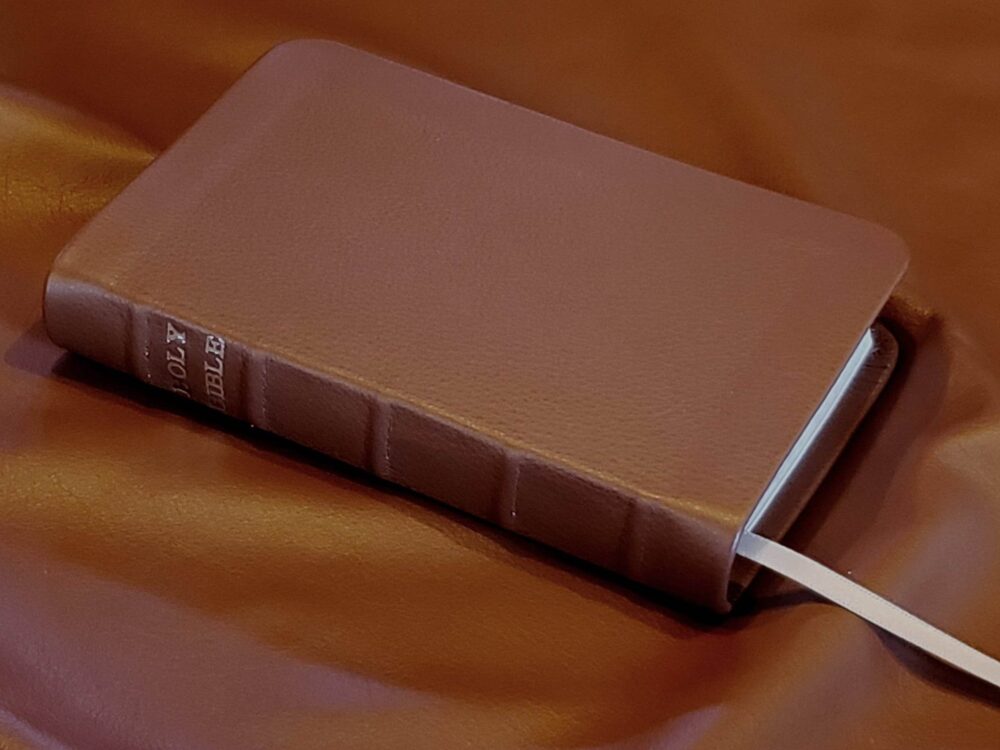
Light Brown Bible
Light Brown Smooth Cowhide Bible
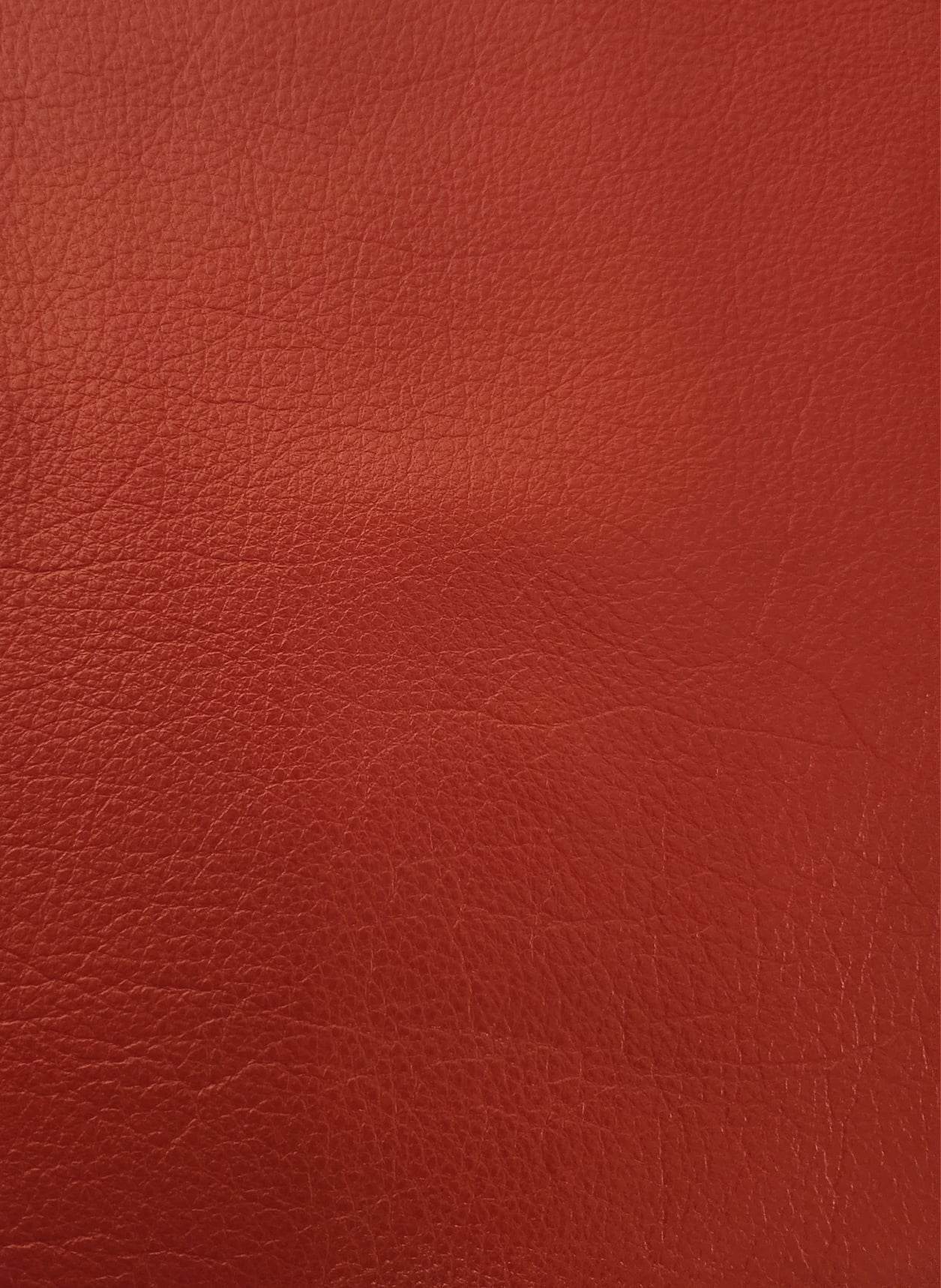
Red
Red Smooth Cowhide
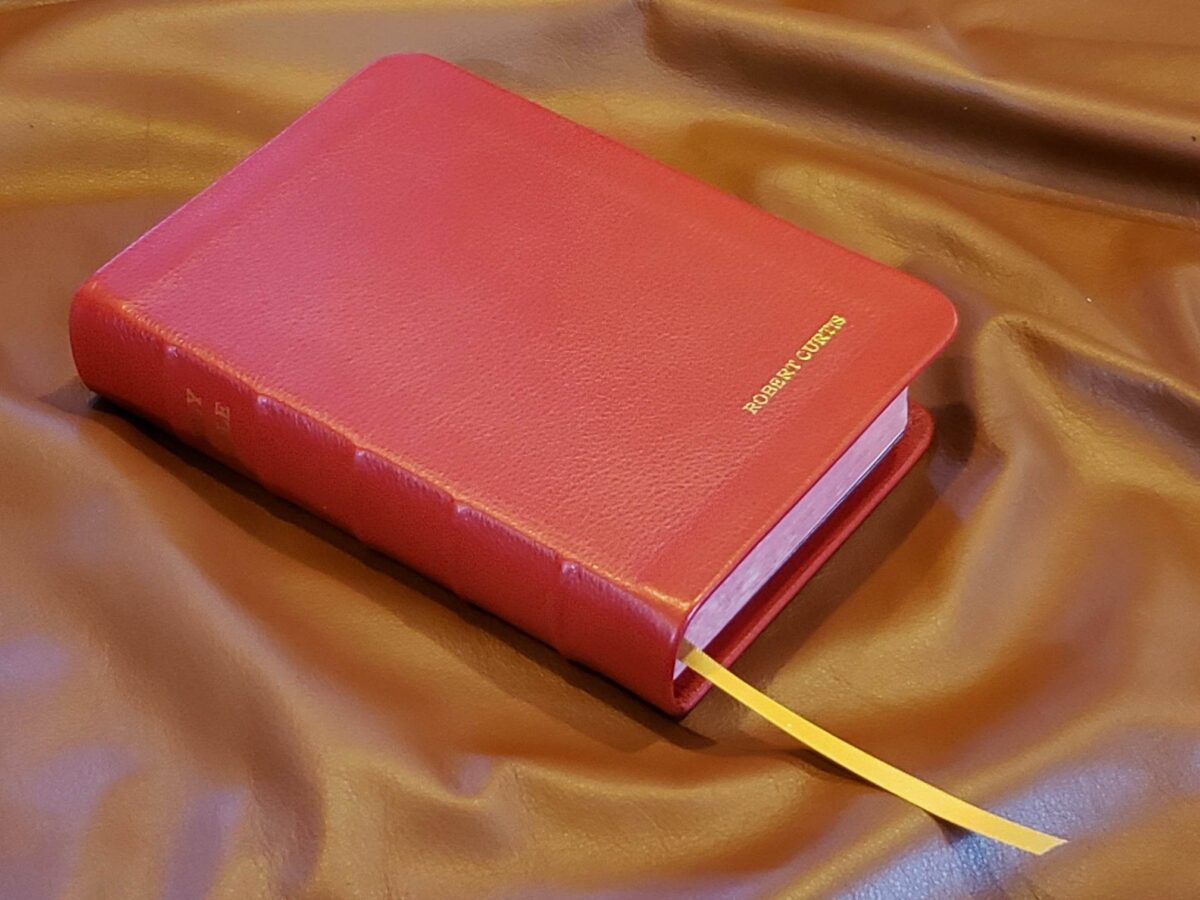
Red Bible
Red Smooth Cowhide Bible
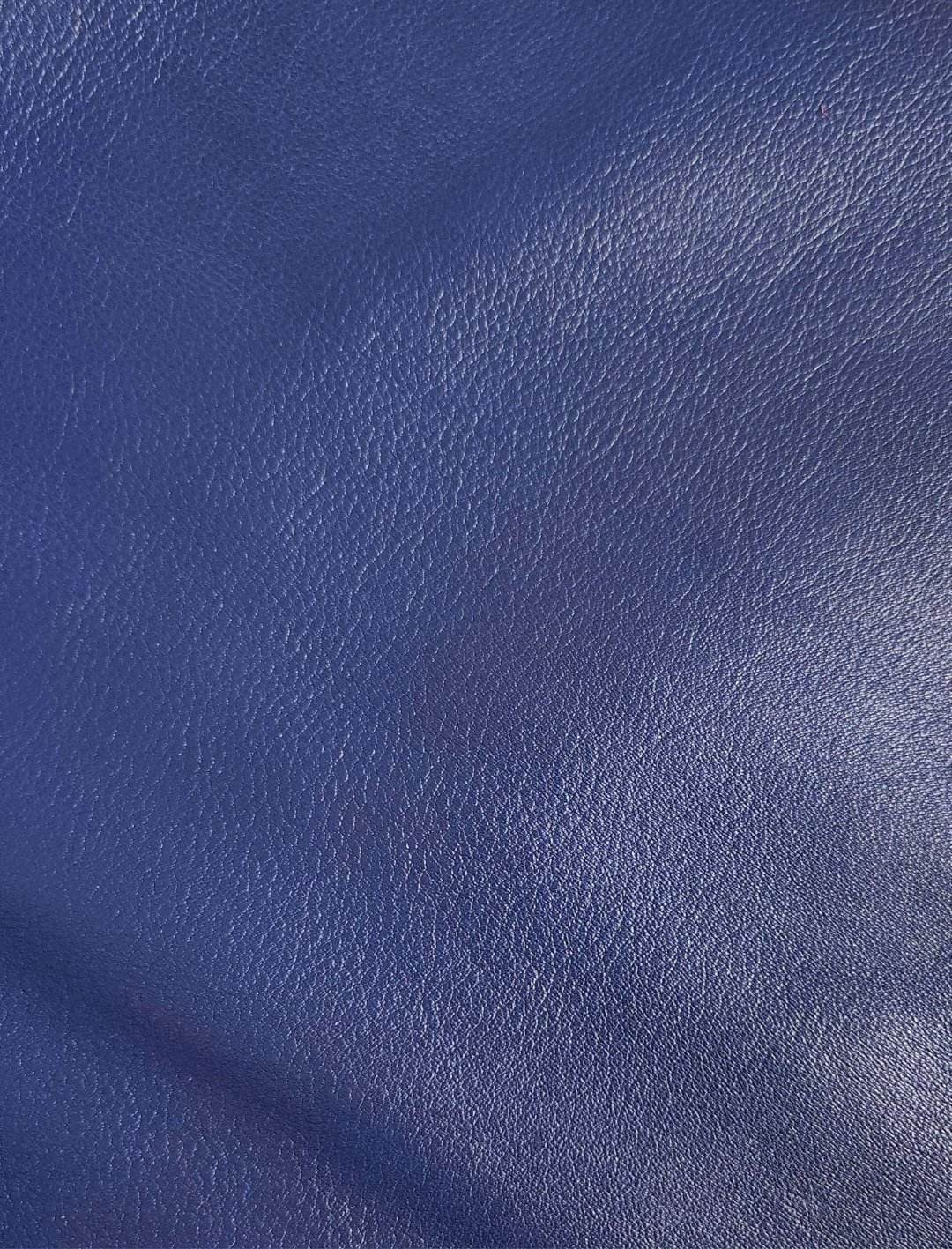
Blue
Blue Smooth Cowhide

Blue Bible
Blue Smooth Cowhide Bible
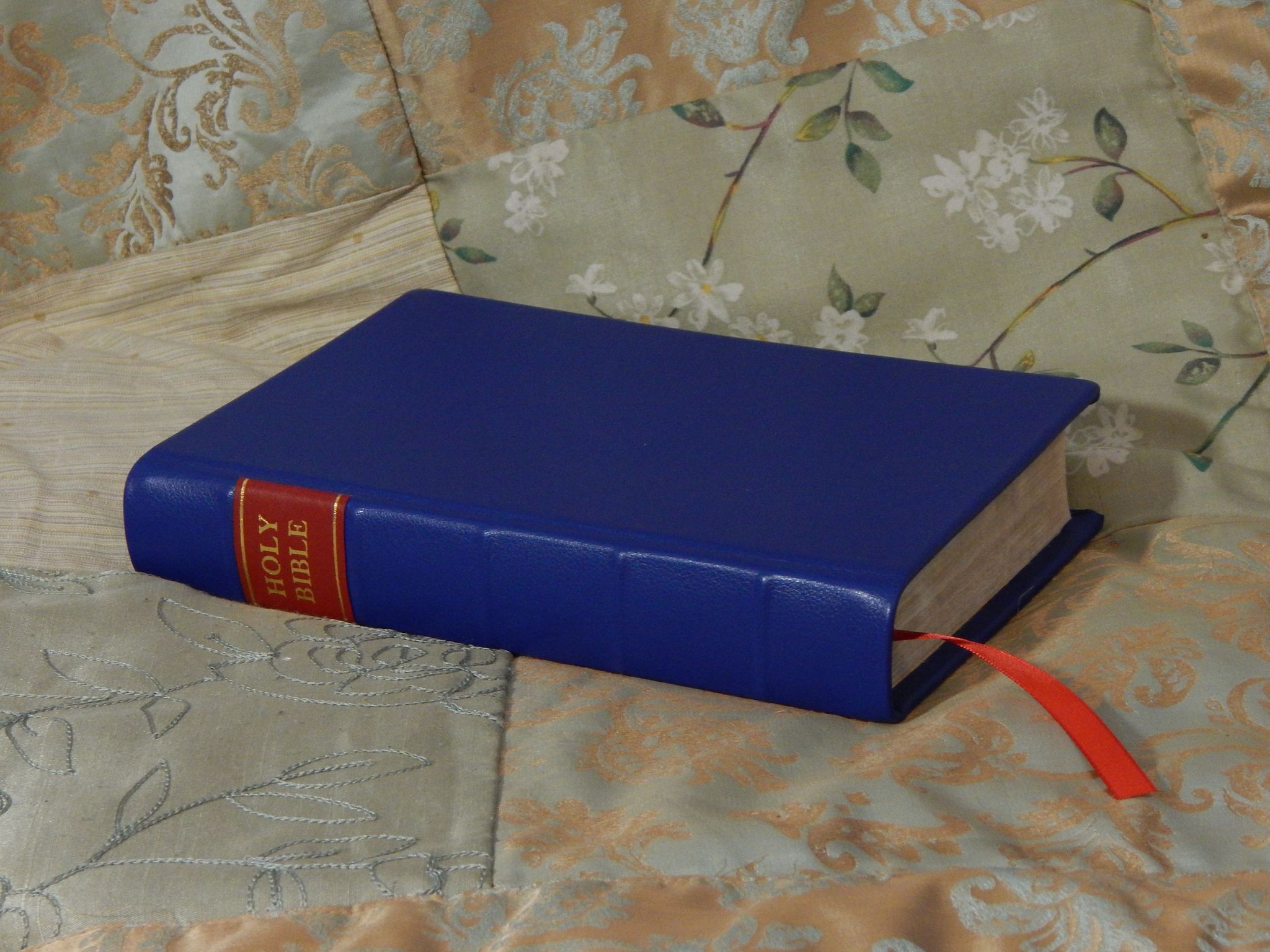
Blue Bible Hardcover
Blue Smooth Cowhide Hardcover Bible
This is a cowhide that is embossed with a grain to look like something different, in this case goatskin.
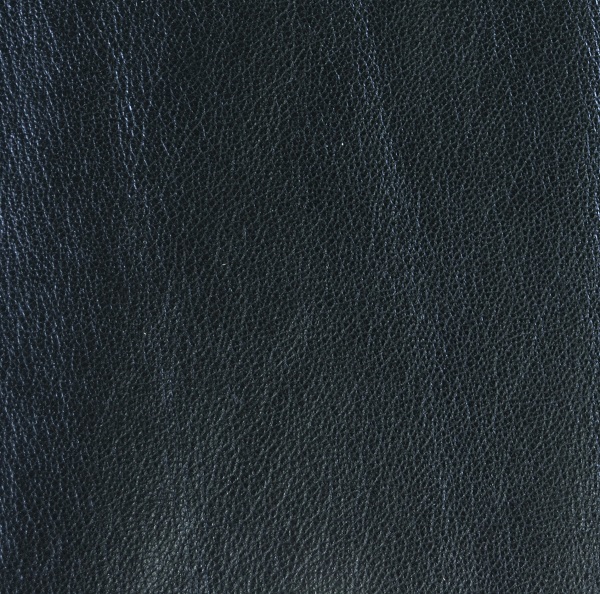
Goat Cow
Black Goatskin-Embossed Cowhide
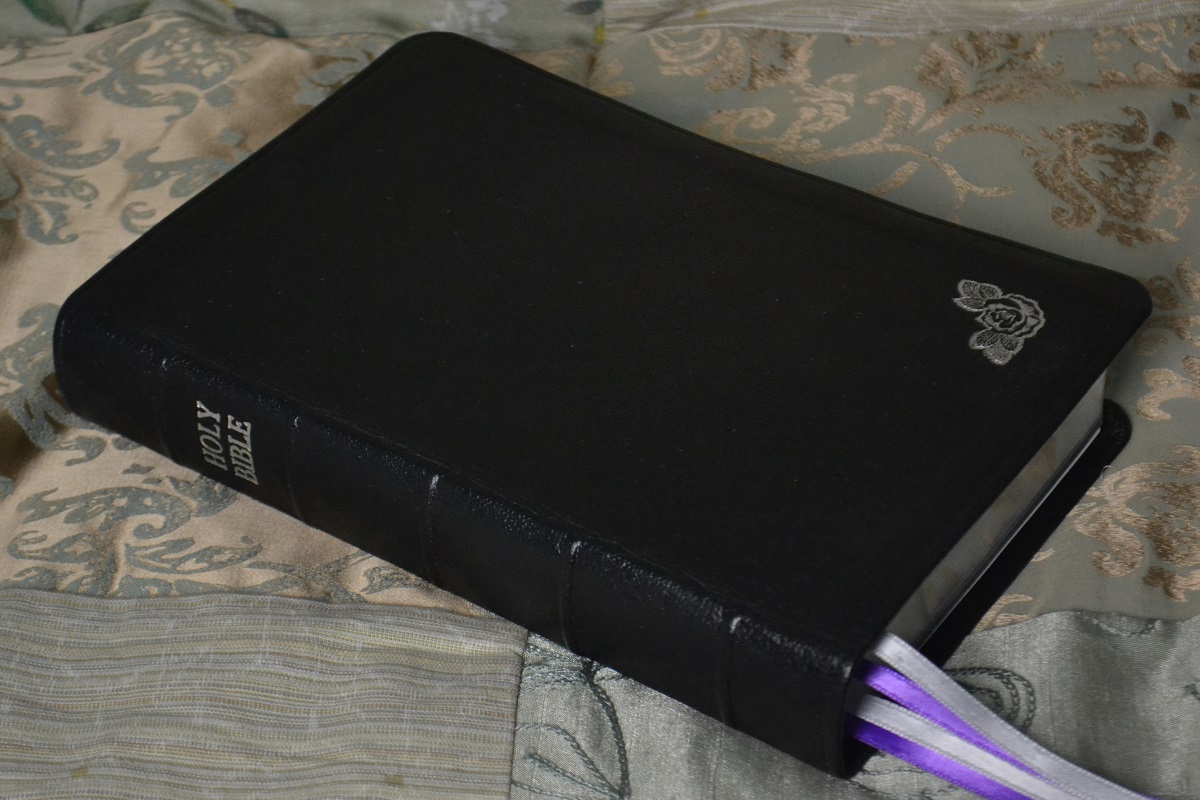
Goat Cow Bible
Black Goatskin-Embossed Cowhide Bible
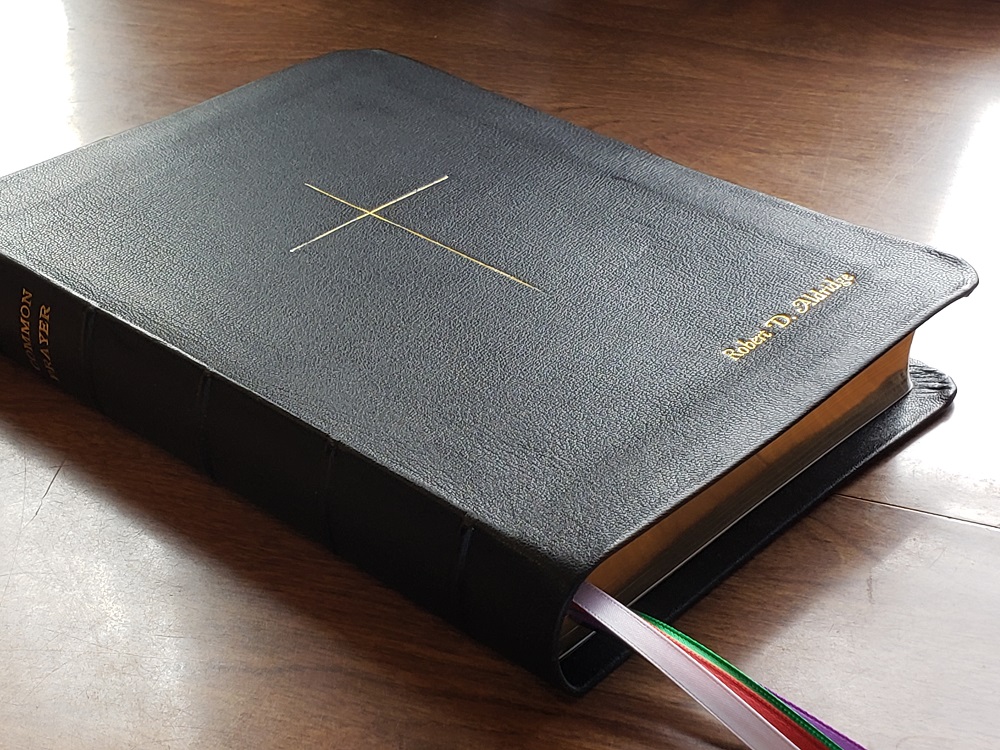
Goat Cow Prayer Book
Black Goatskin-Embossed Cowhide Prayer Book
Hand-Dyed, Smooth Grain English Calfskin
This leather has a smooth feel and an antiqued mottled look. This is also a tooling leather, and we use it often for hardcover antique books as well as for softcover personal Bibles. It is durable and “breaks in well” so it feels great in your hand.
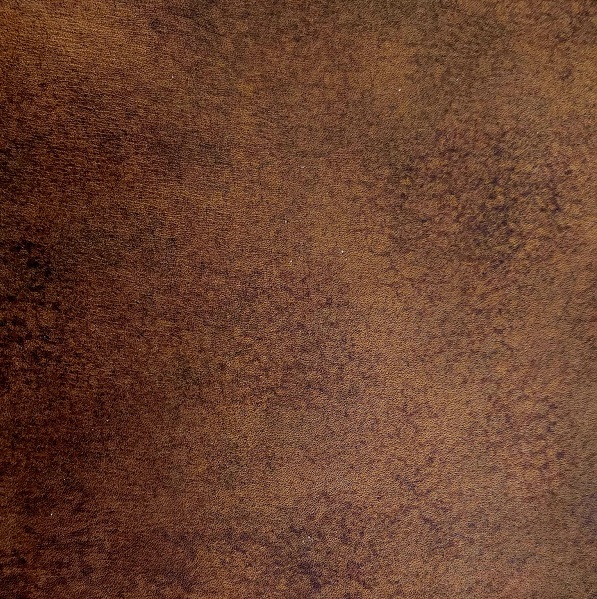
Medium Brown
Medium Brown Hand-Dyed English Calfskin
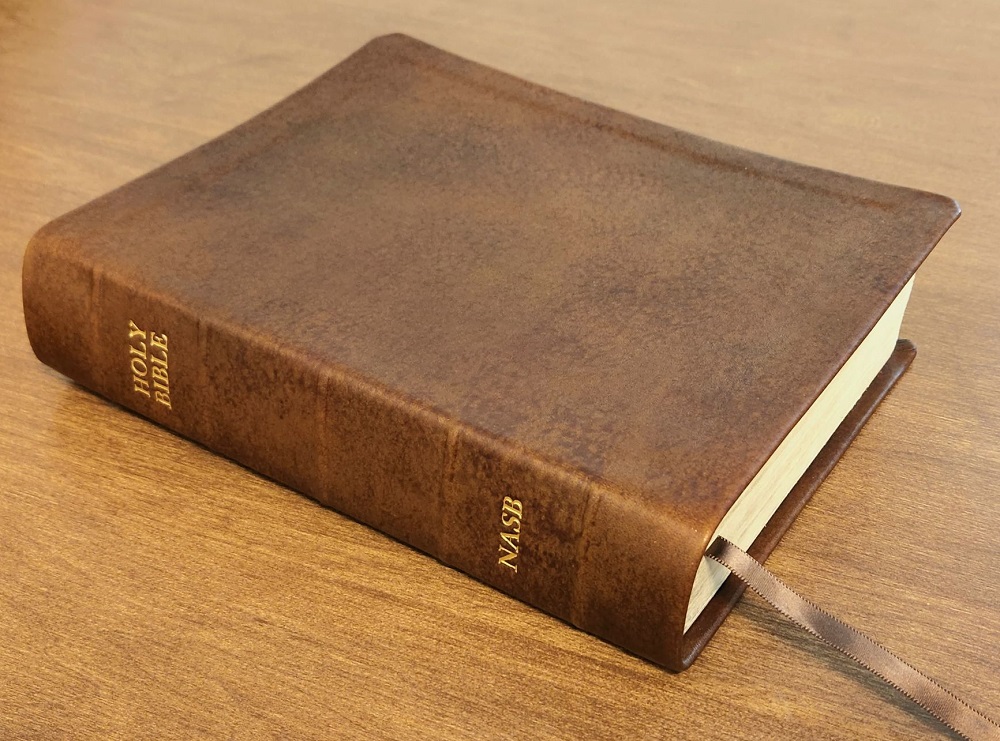
Medium Brown Bible
Medium Brown Hand-Dyed English Calfskin Bible
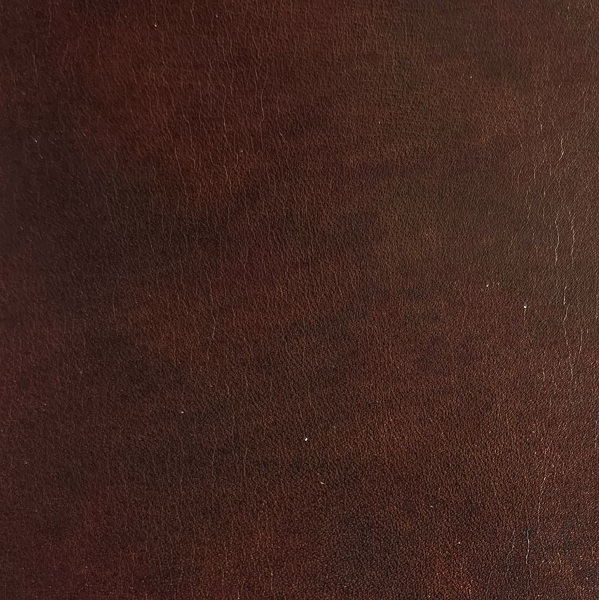
Dark Brown
Dark Brown Hand-Dyed English Calfskin
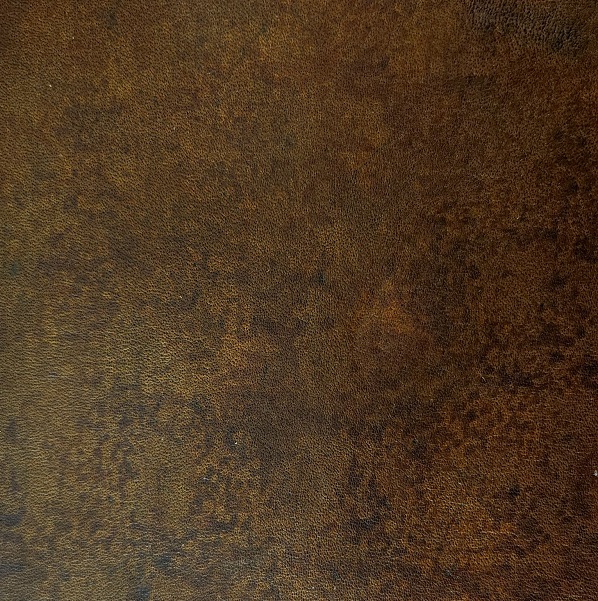
Dark Brown II
Dark Brown Hand-Dyed English Calfskin
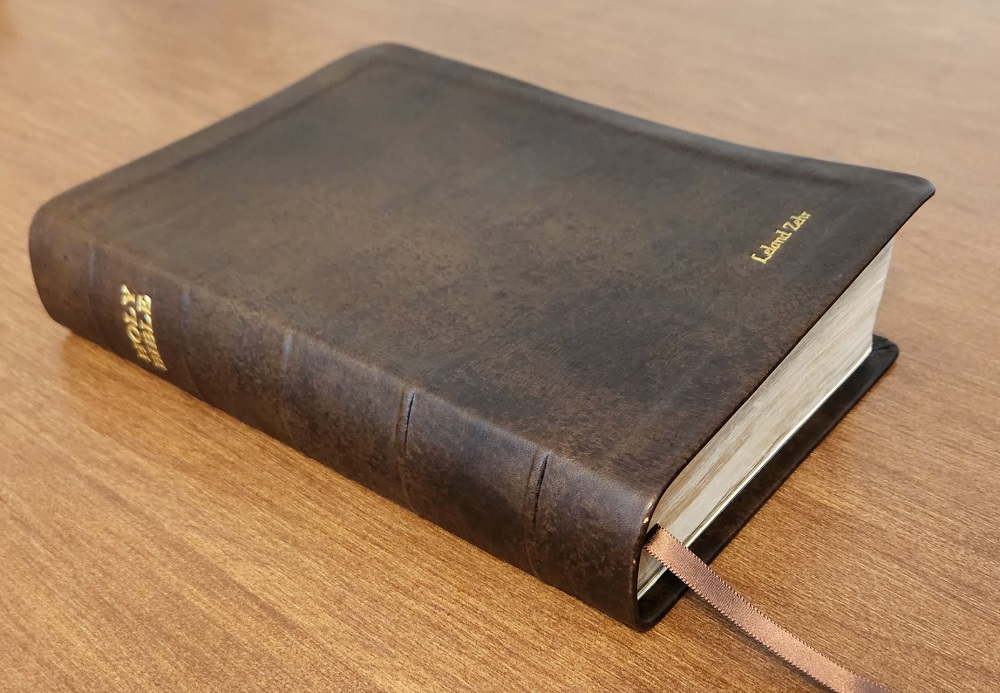
Dark Brown Bible
Dark Brown Hand-Dyed English Calfskin Bible
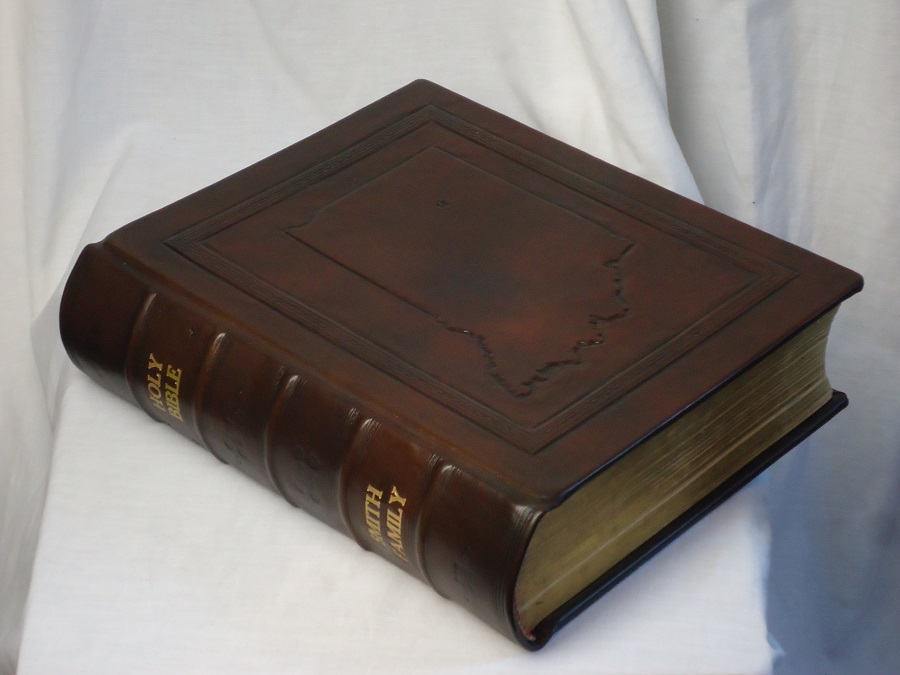
Dark Brown Bible, Tooled
Dark Brown Hand-Dyed English Calfskin Bible with Tooled Cross
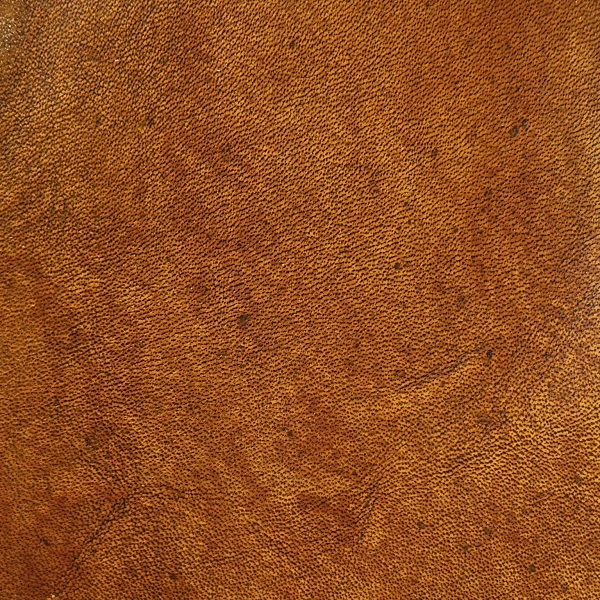
Tan
Tan Hand-Dyed English Calfskin
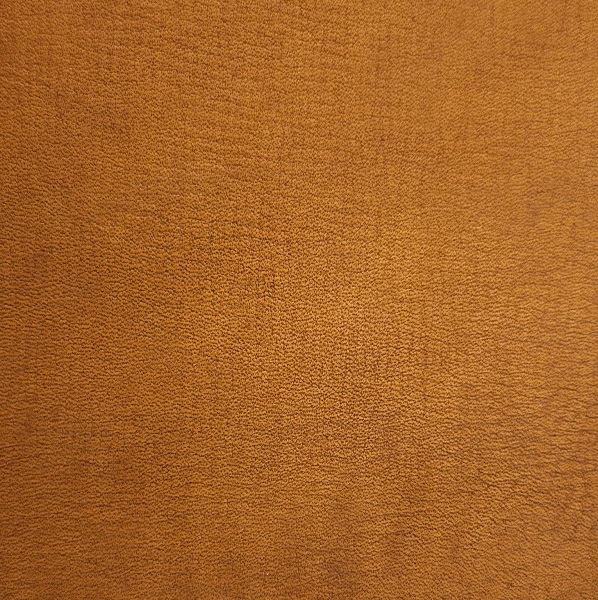
Tan II
Tan Hand-Dyed English Calfskin II
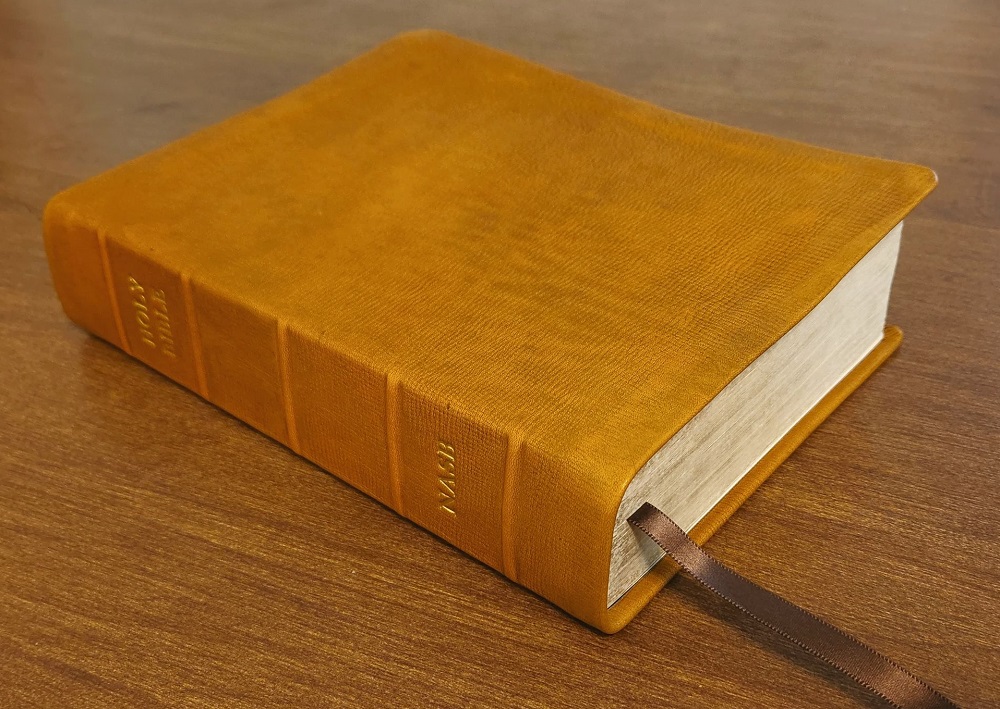
Tan Bible
Tan Hand-Dyed English Calfskin Bible
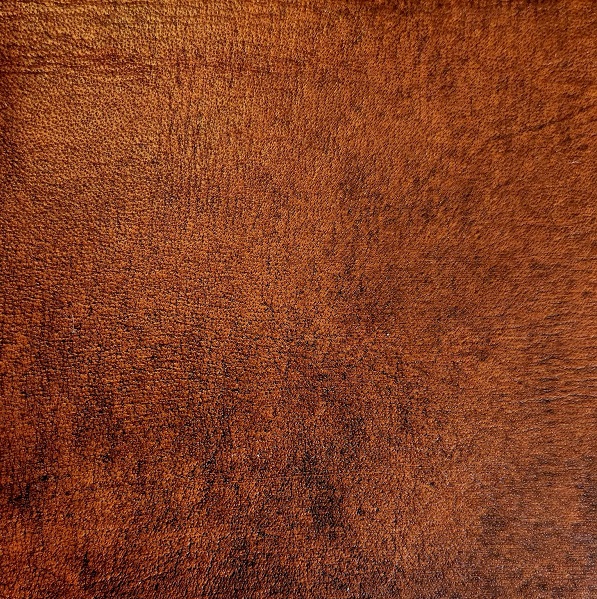
Saddle Tan
Saddle Tan Hand-Dyed English Calfskin
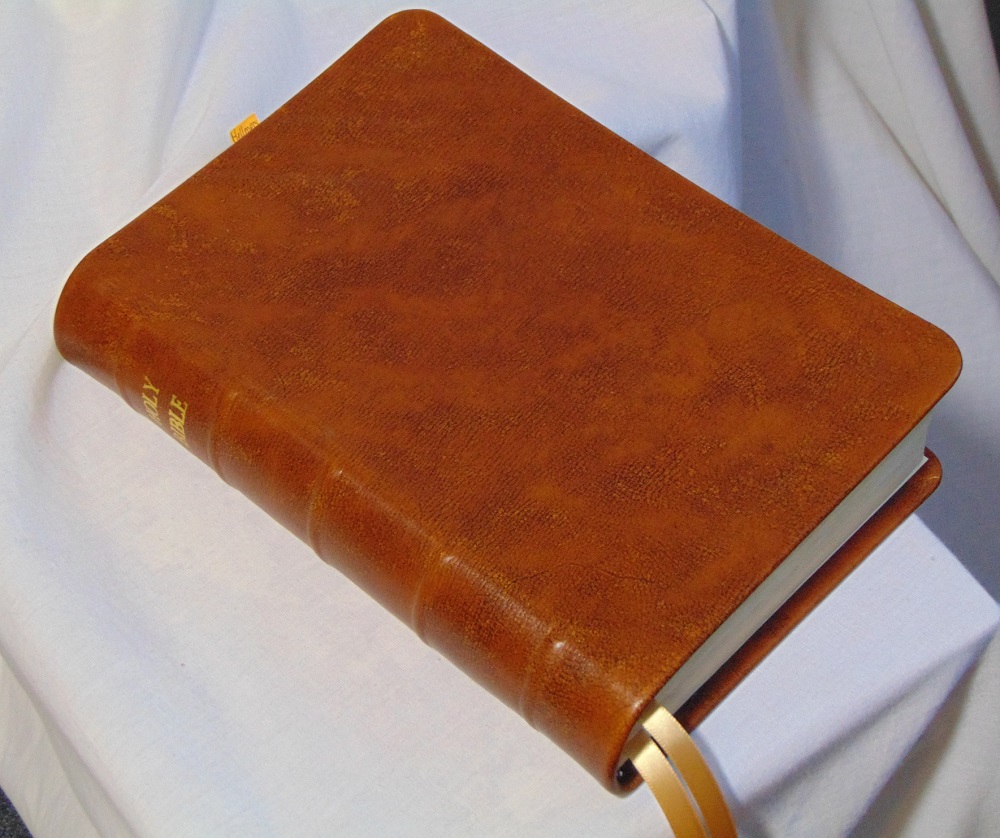
Saddle Tan Bible
Saddle Tan Hand-Dyed English Calfskin Bible
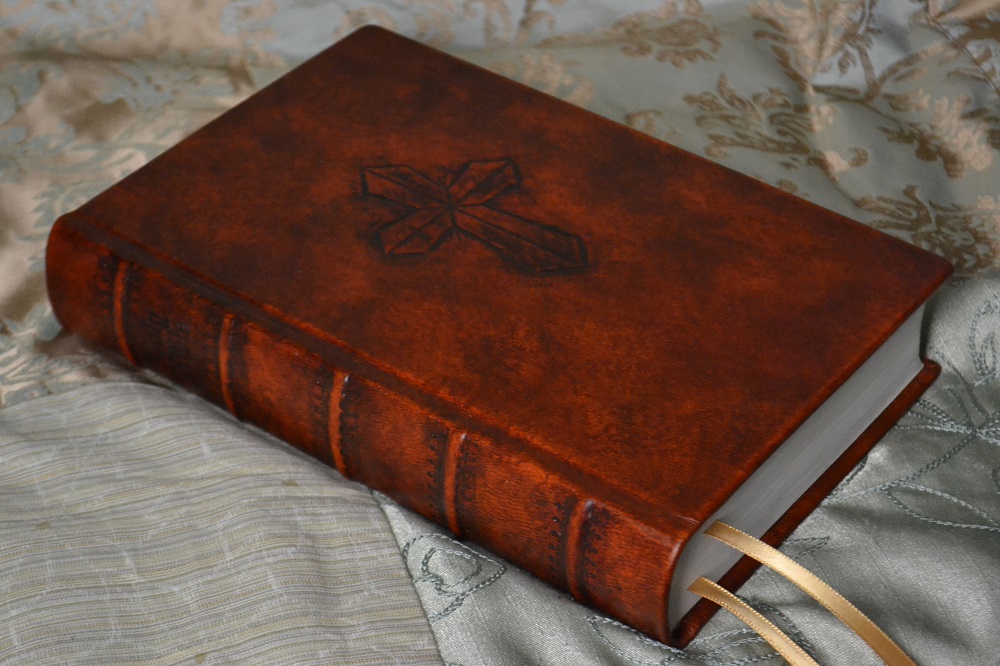
Saddle Tan Hardcover
Saddle Tan Hardcover Bible in Hand-Dyed English Calfskin
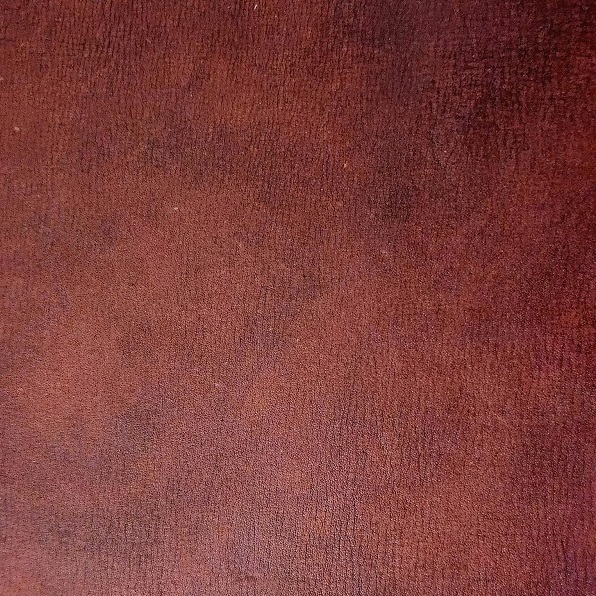
Mahogany
Mahogany Hand-Dyed English Calfskin
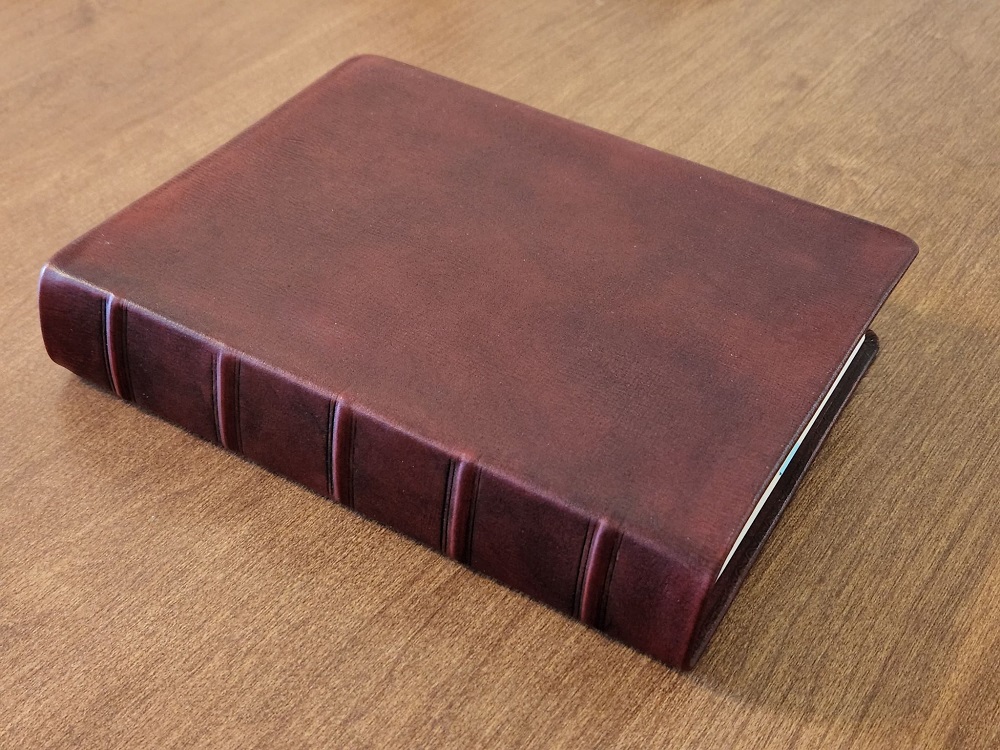
Mahogany Bible
Mahogany Hand-Dyed English Calfskin Bible
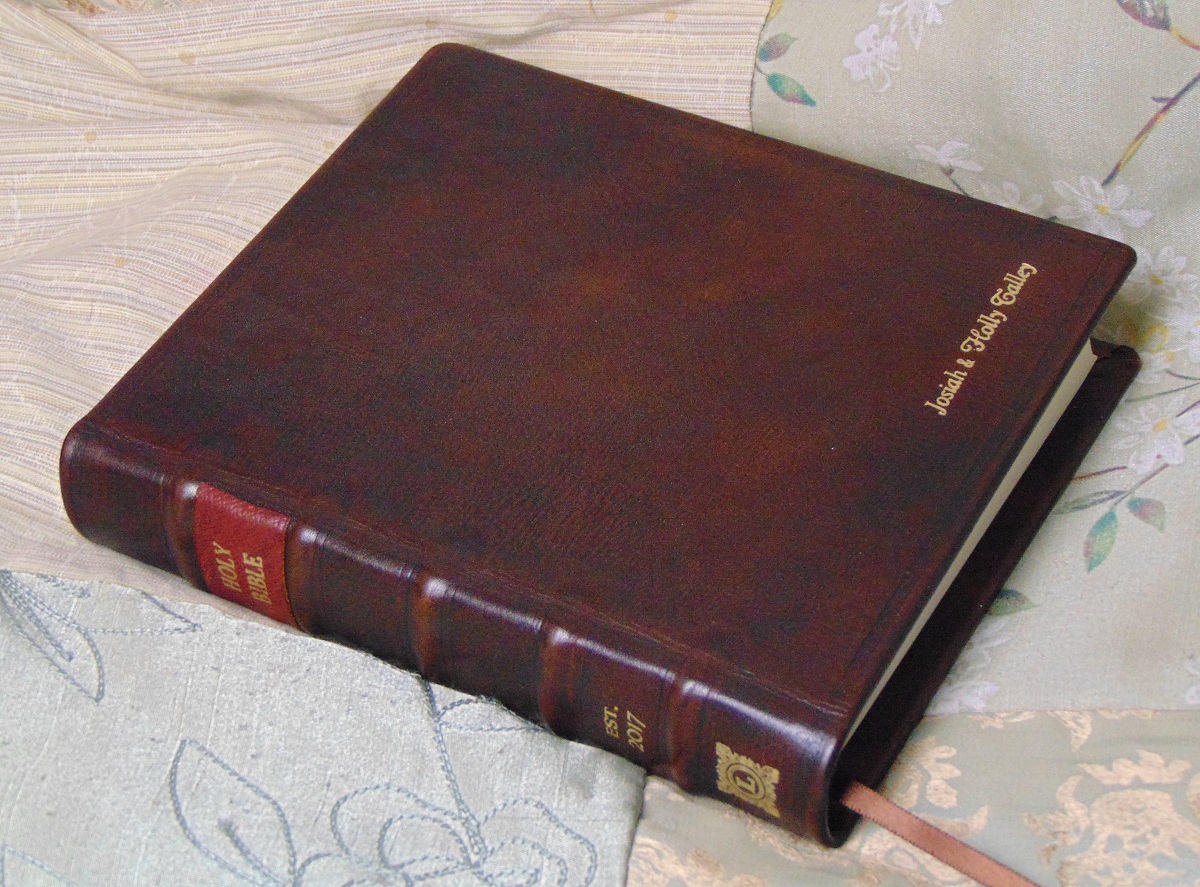
Mahogany Hardcover
Mahogany Hardcover Bible in Hand-Dyed English Calfskin
Smooth with a light grain, a little less flexibility and showing natural blemishes
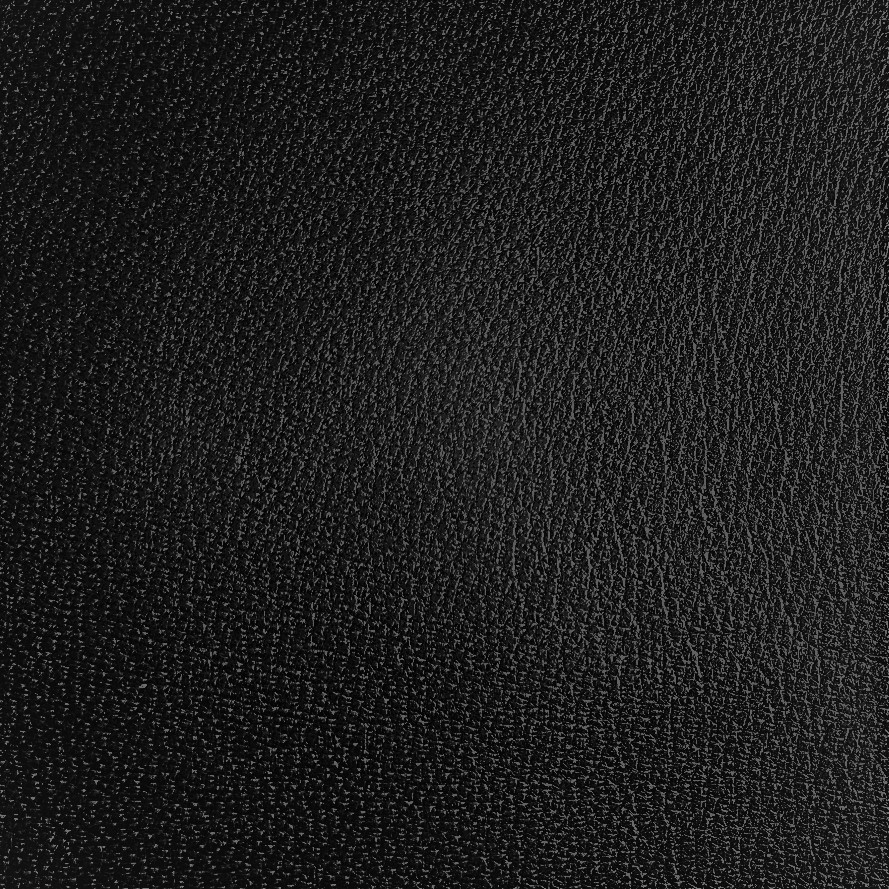
Black
Black Smooth Goatskin
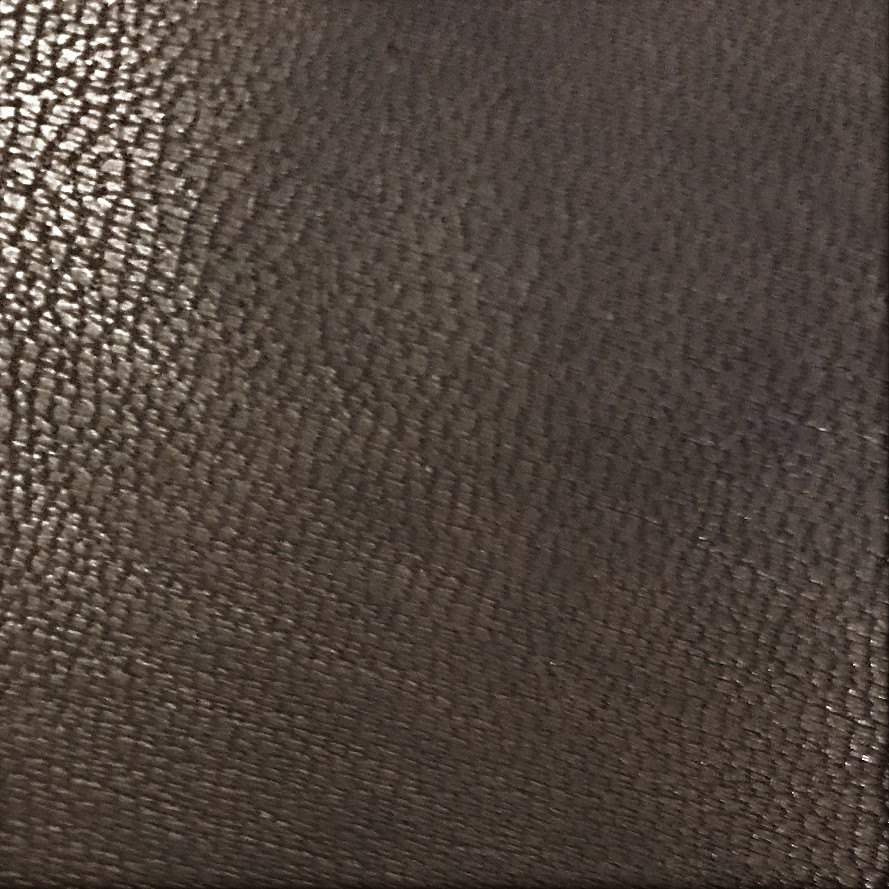
Mocha
Mocha Smooth Goatskin
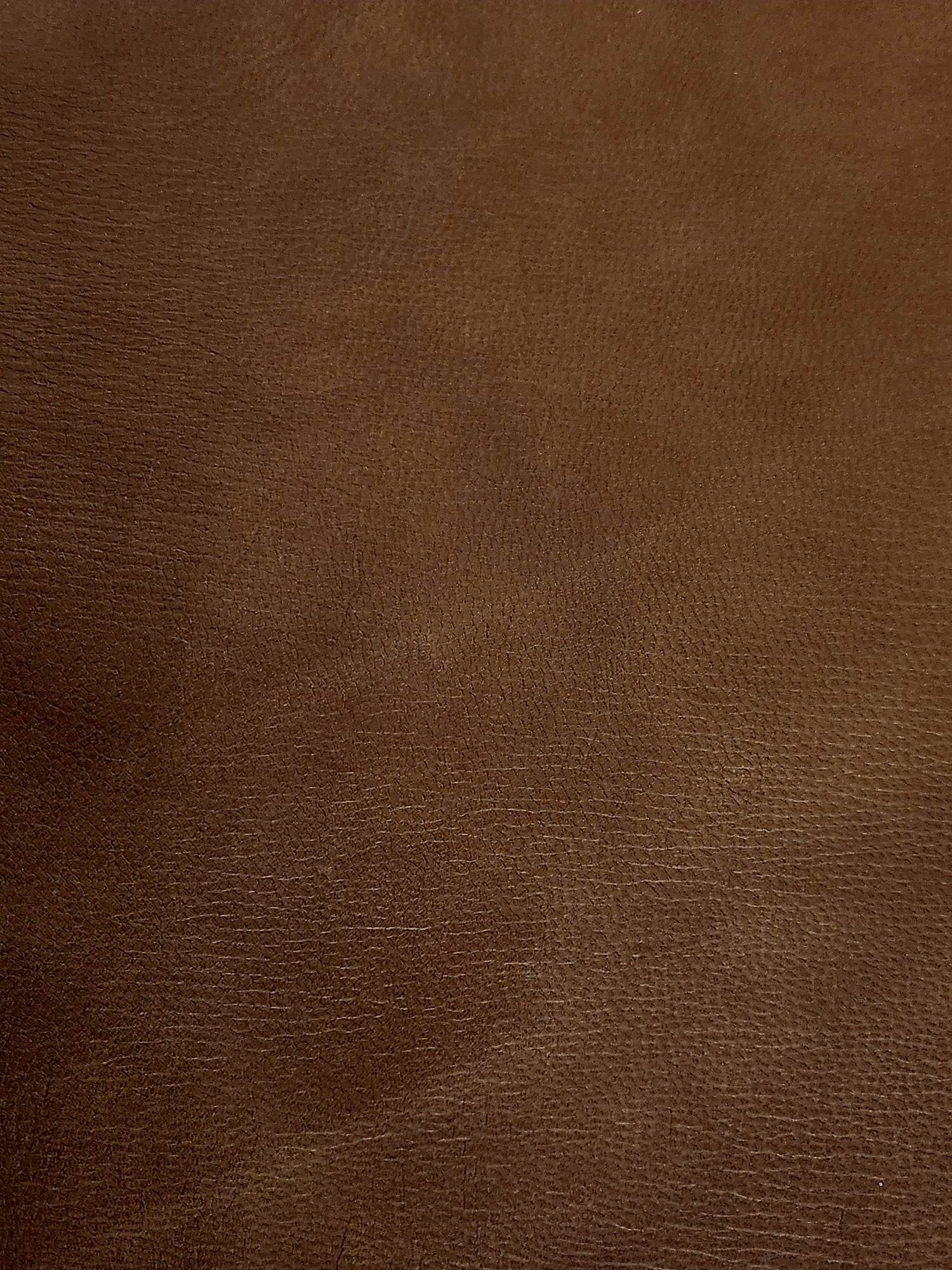
Brown
Brown Smooth Goatskin
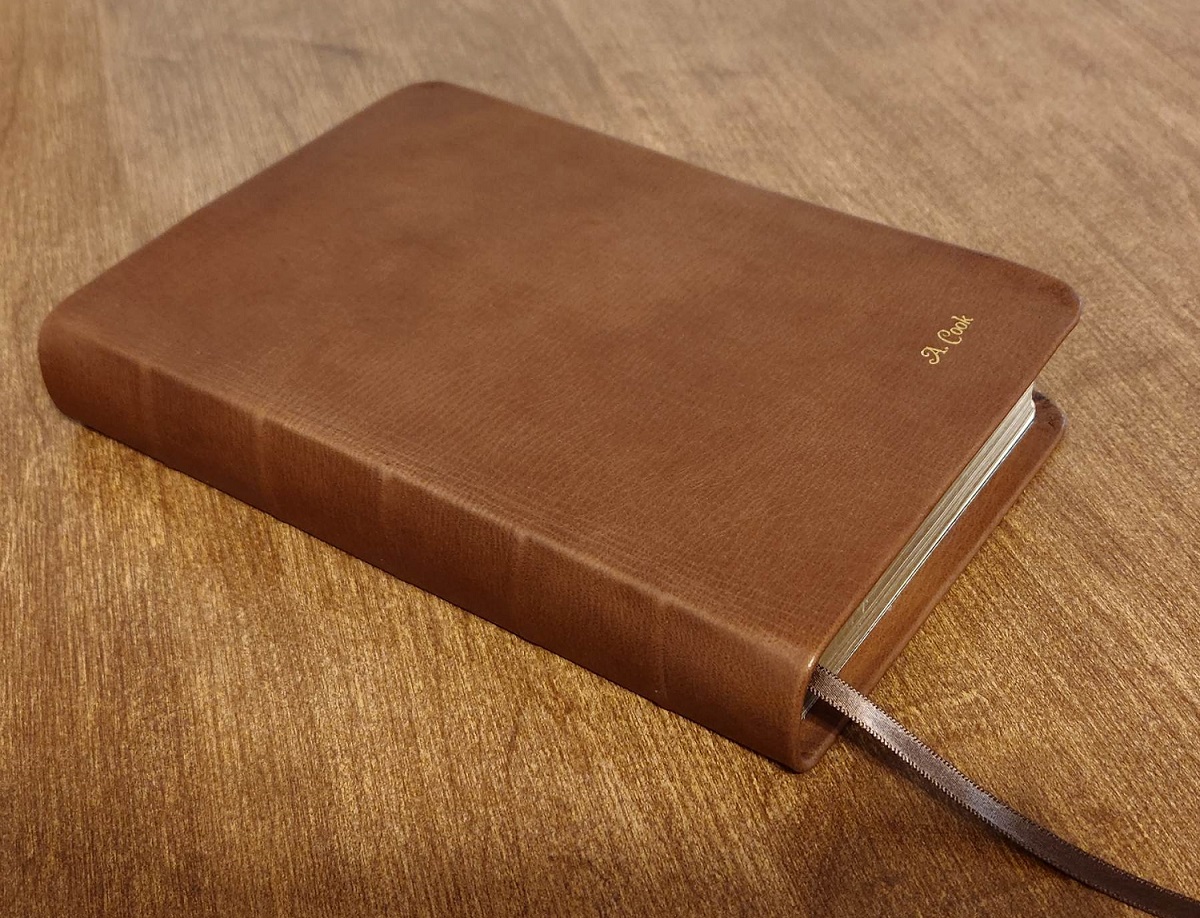
Brown Bible
Brown Smooth Goatskin Bible
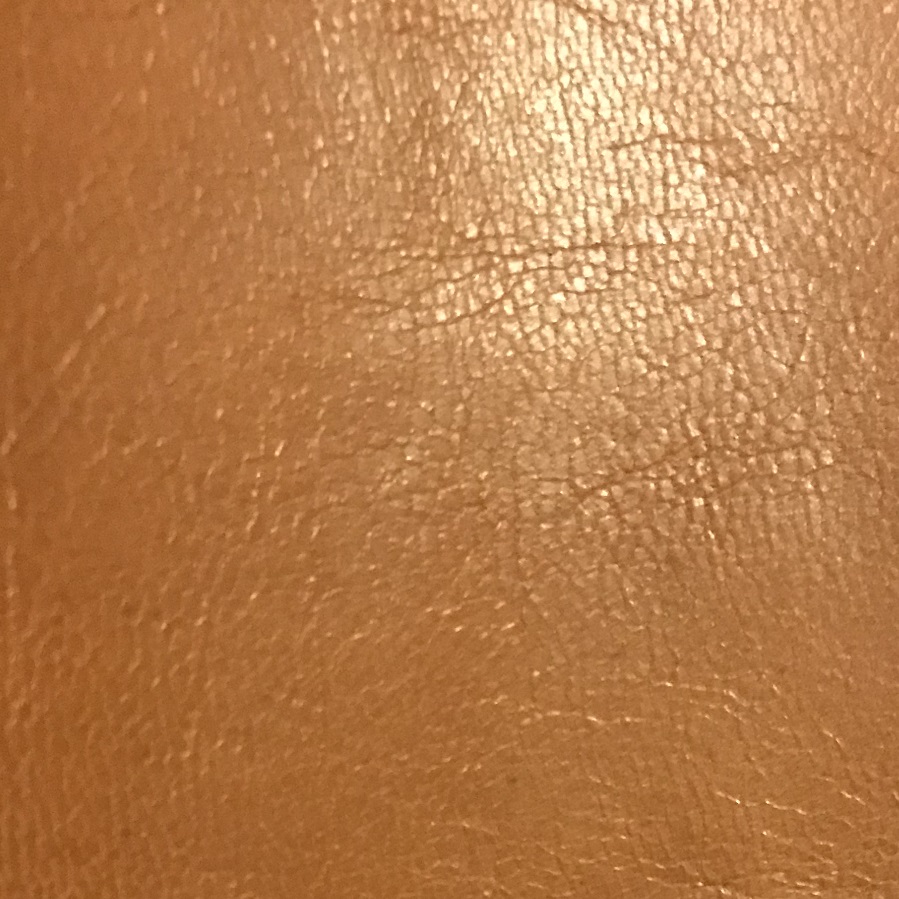
British Tan
British Tan Smooth Goatskin

British Tan Bible
British Tan Smooth Goatskin Bible
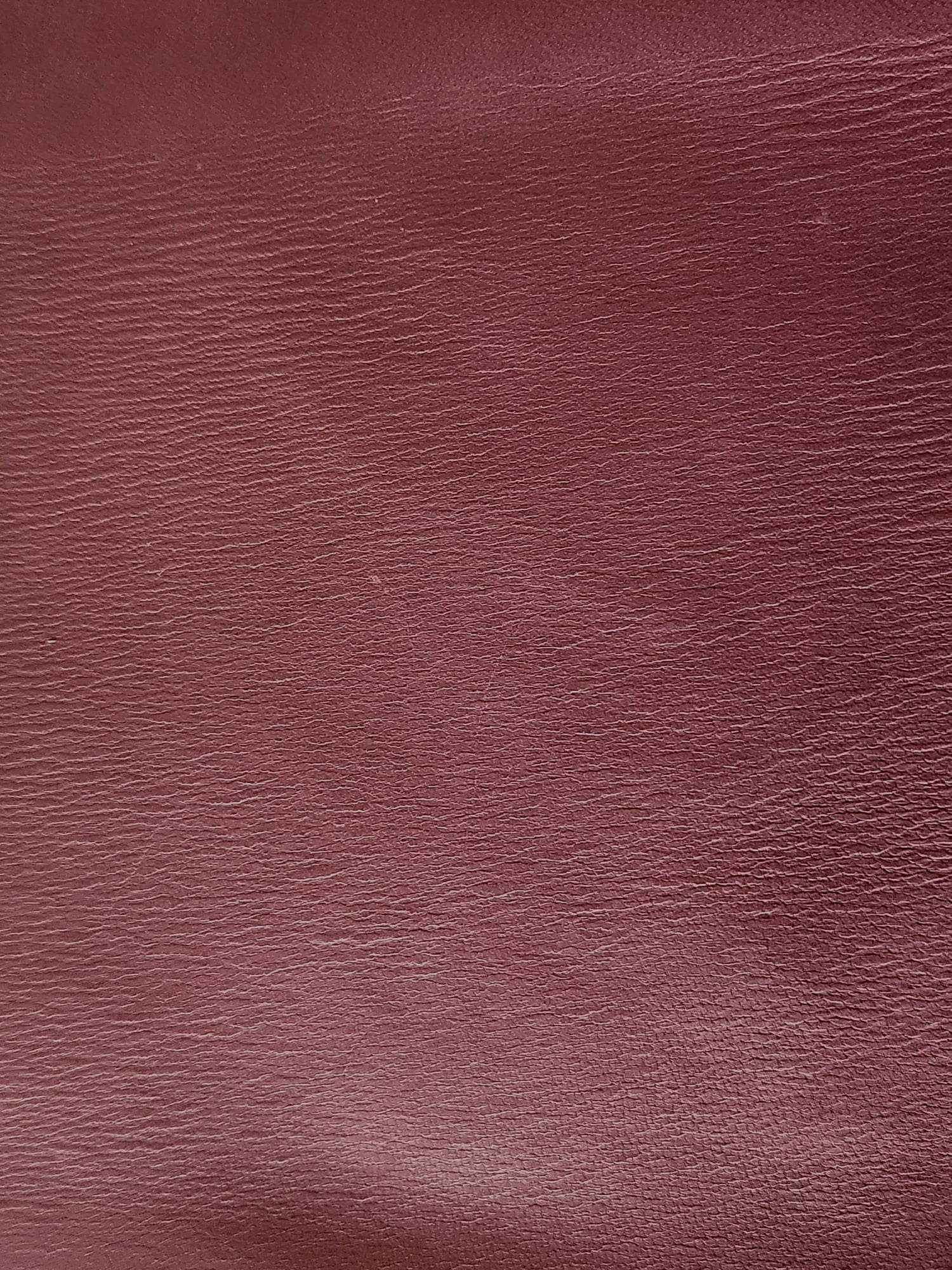
Crimson
Crimson Smooth Goatskin

Crimson Bible
Crimson Smooth Goatskin Bible
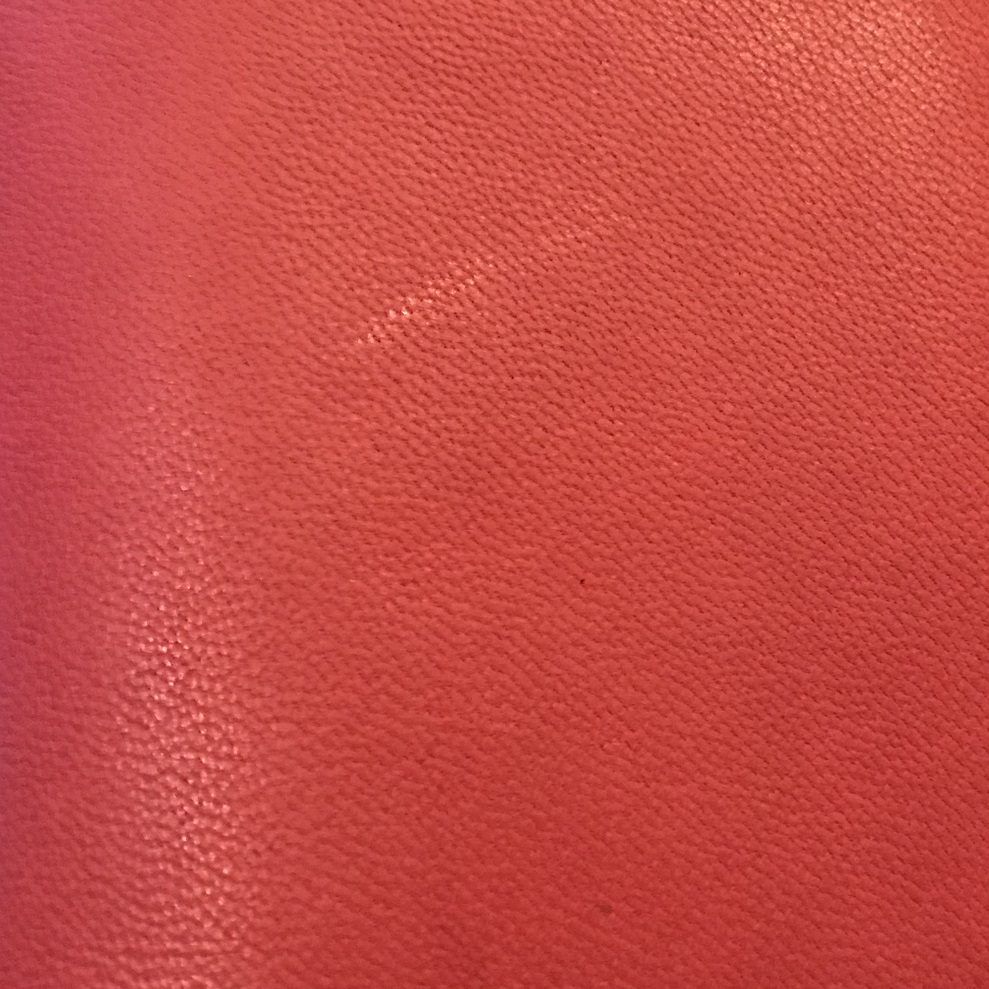
Red
Red Smooth Goatskin
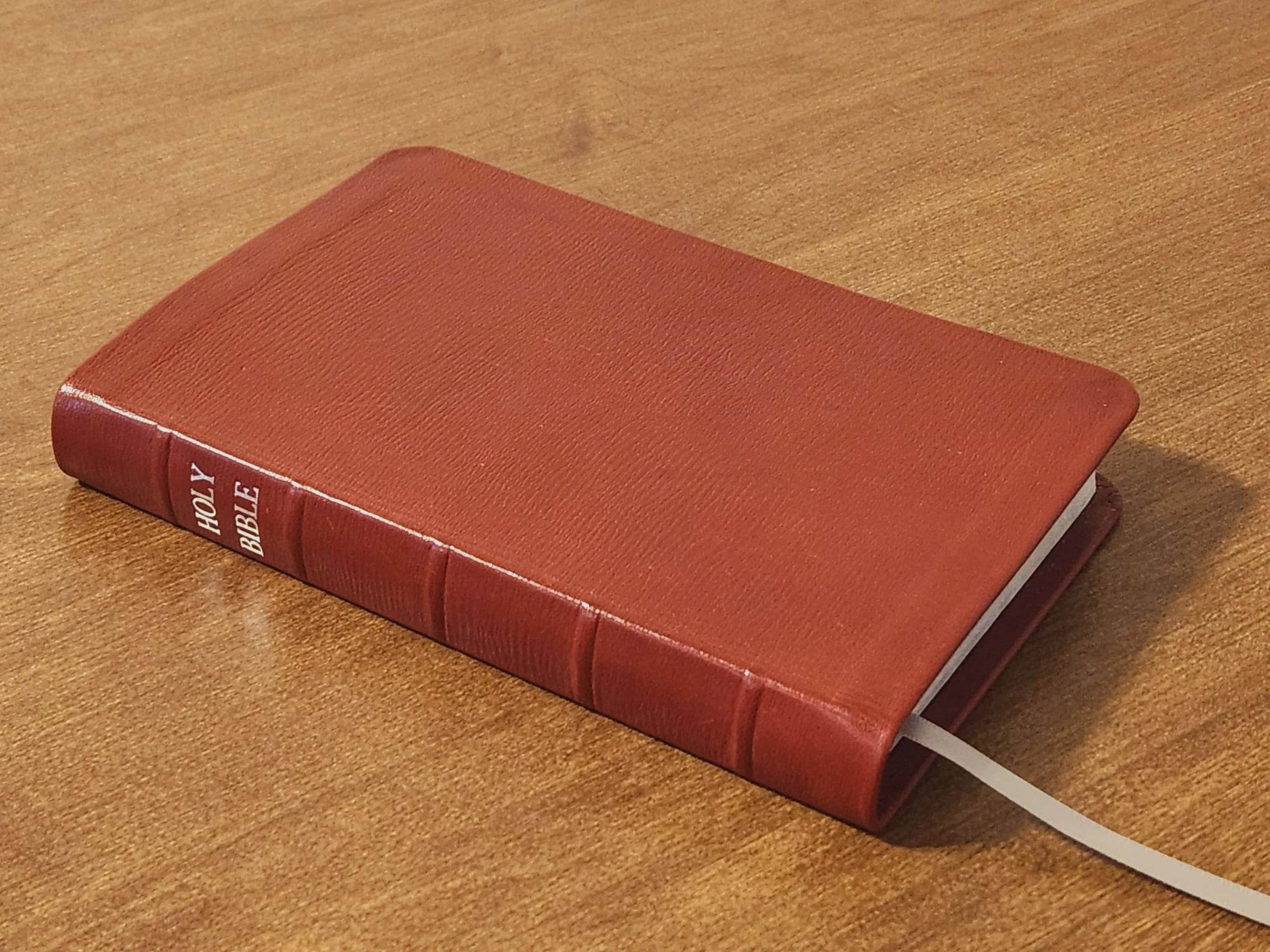
Red Bible
Red Smooth Goatskin Bible
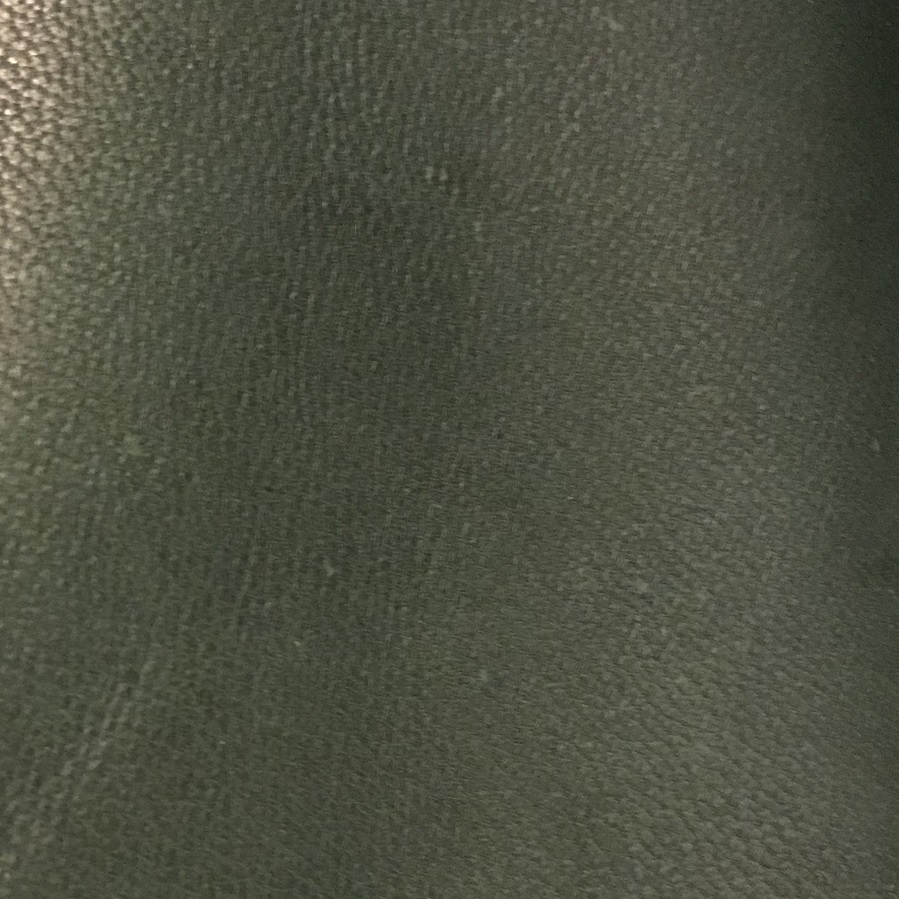
Forest
Forest Smooth Goatskin

Forest Bible
Forest Smooth Goatskin Bible
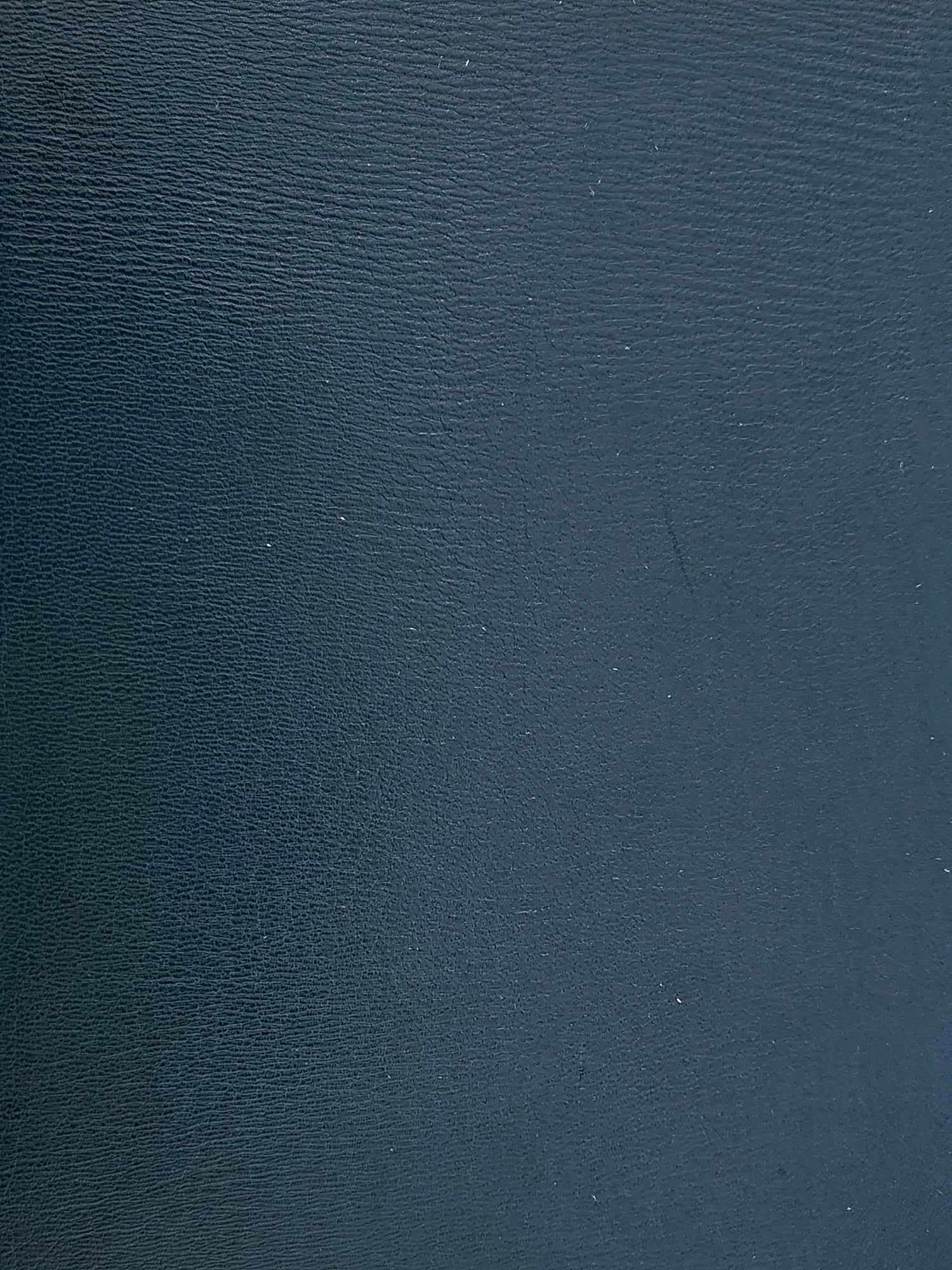
Navy
Navy Smooth Goatskin
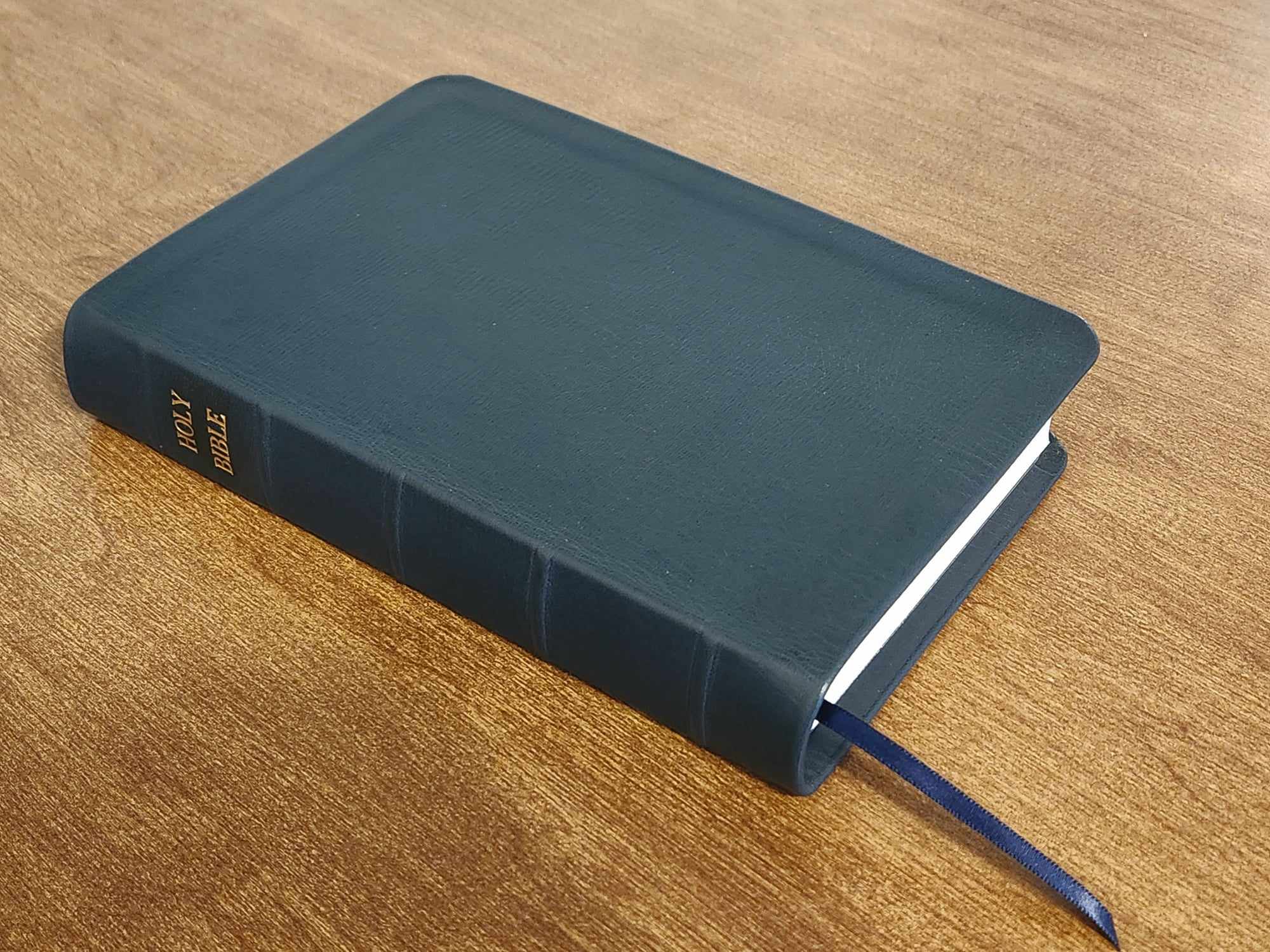
Navy Bible
Navy Smooth Goatskin Bible
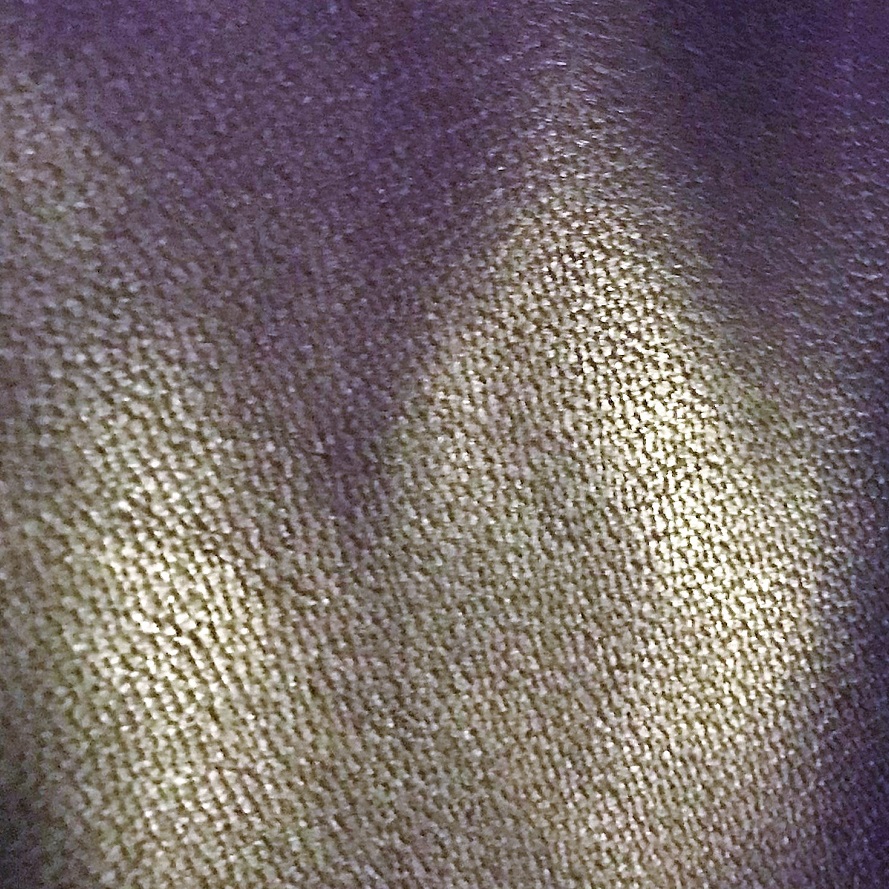
Purple
Purple Smooth Goatskin
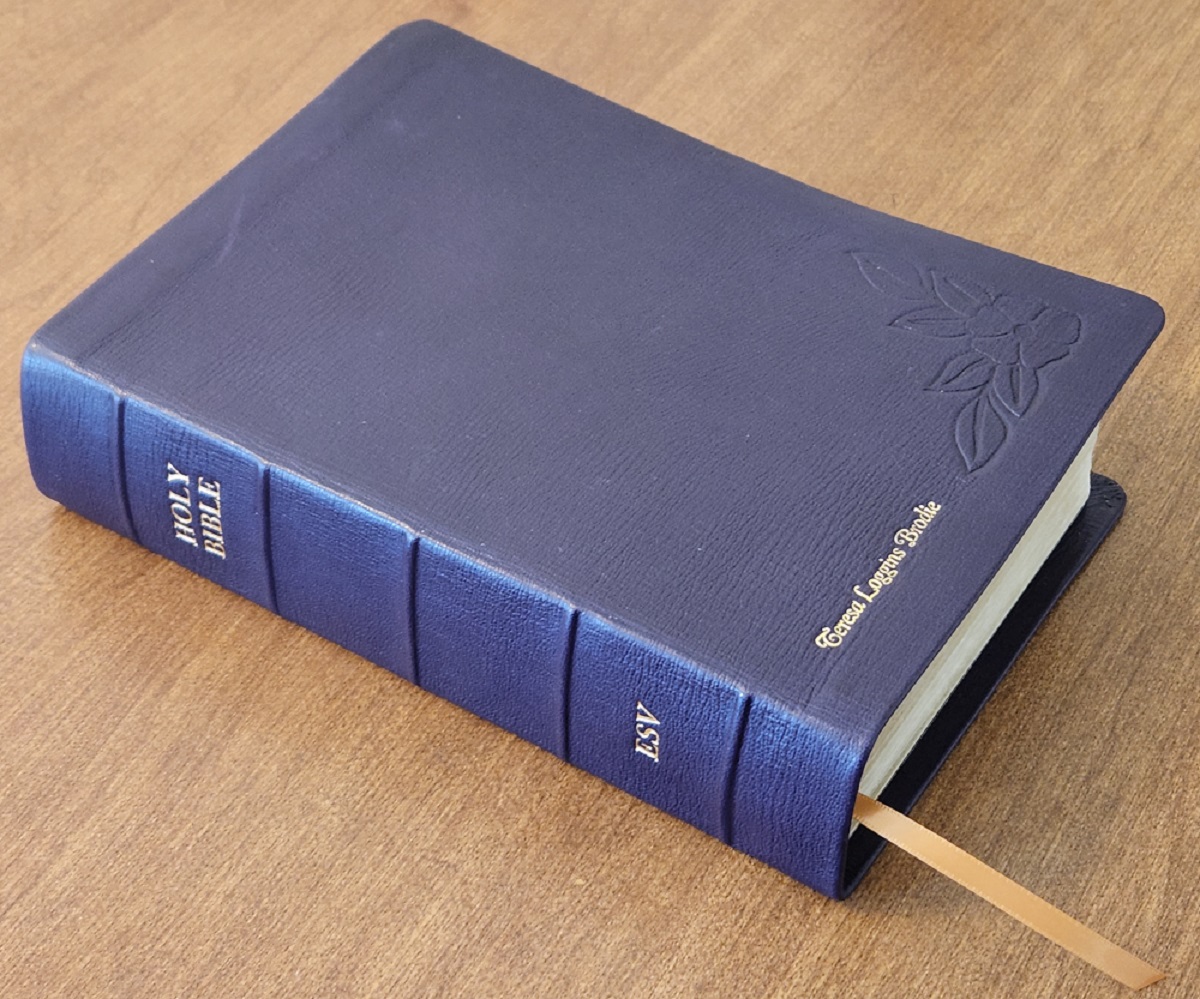
Purple Bible
Purple Smooth Goatskin Bible
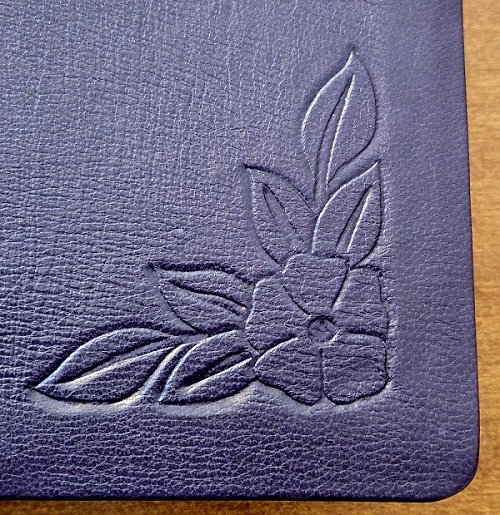
Tooling
Floral Tooling on Purple Goat
Grained leather with a hand-dyed tips, a little less flexibility

Black
Black Barcelona Goatskin
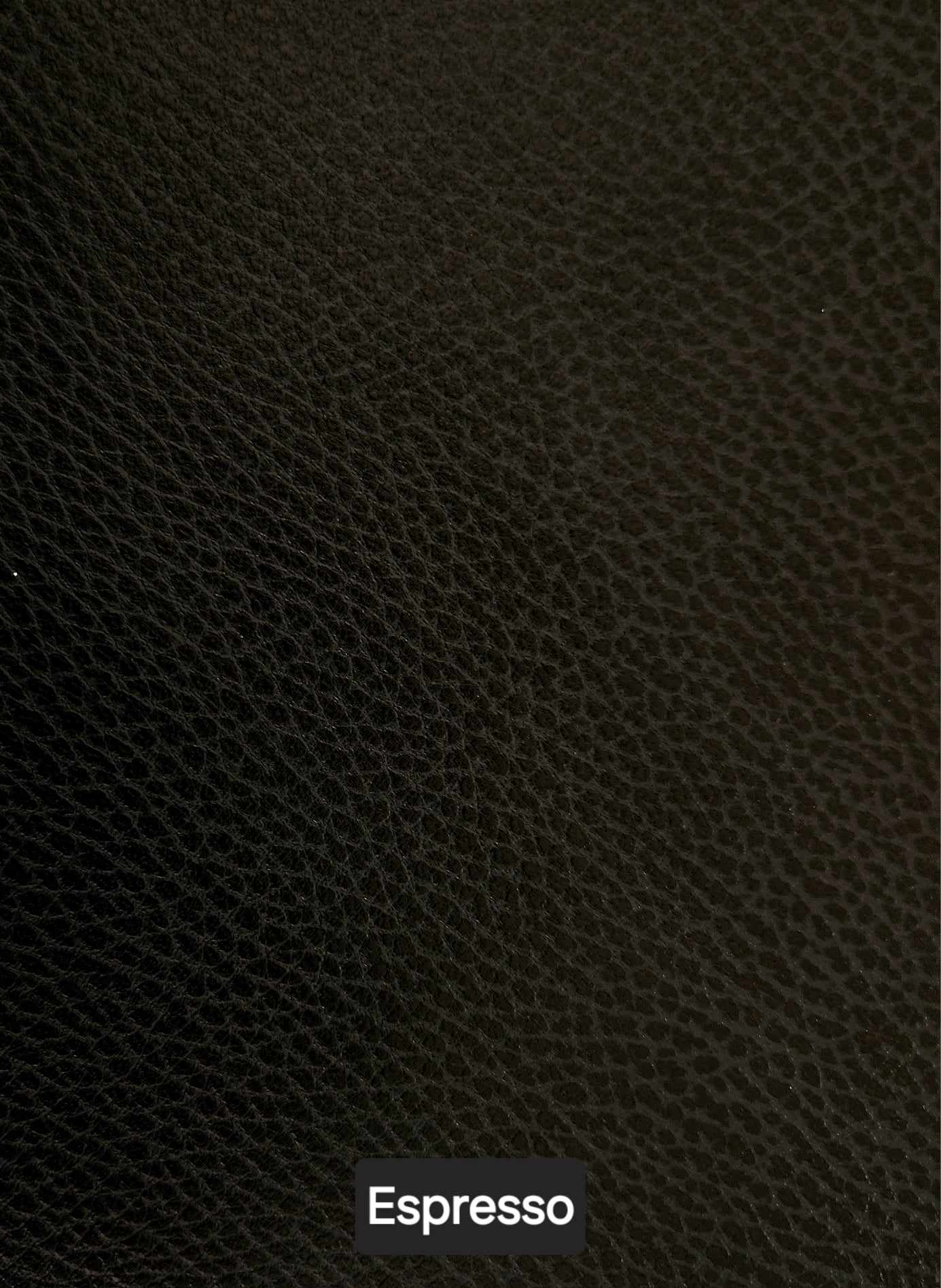
Espresso
Espresso Barcelona Goatskin

Espresso Family Bible
Espresso Barcelona Goatskin Family Bible

Gray
Charcoal Gray Barcelona Goatskin

Gray Bible
Gray Barcelona Goatskin Bible

Mahogany
Mahogany Barcelona Goatskin
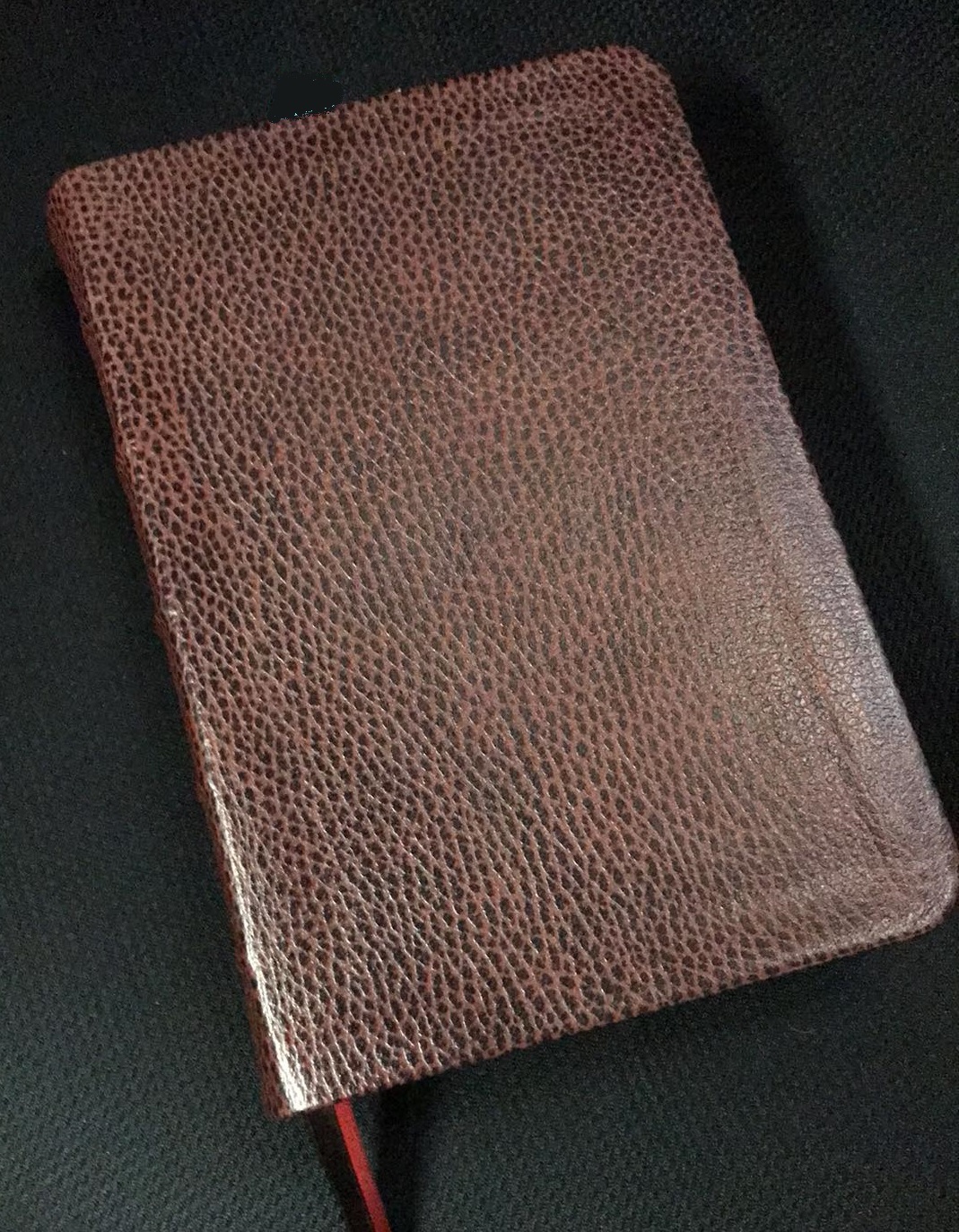
Mahogany Bible
Mahogany Barcelona Goatskin Bible

Hazelnut
Hazelnut Barcelona Goatskin

Midnight Blue
Midnight Blue Barcelona Goatskin

Midnight Blue Bible
Midnight Blue Barcelona Goatskin Bible

Midnight Blue Hardcover Bible
Midnight Blue Hardcover Barcelona Goatskin Bible

Royal Purple
Royal Purple Barcelona Goatskin

Purple Hardcover Bible
Purple Hardcover Barcelona Goatskin Bible
This is traditional, archival, vegetable-tanned bookbinding leather from the famous Sokoto region of Nigeria — a fine leather that has stood the test of time. A book or Bible rebound in this leather can be passed down to future generations and may last, if well cared-for, for hundreds of years. It has a beautiful wild grain and feels great in your hand.
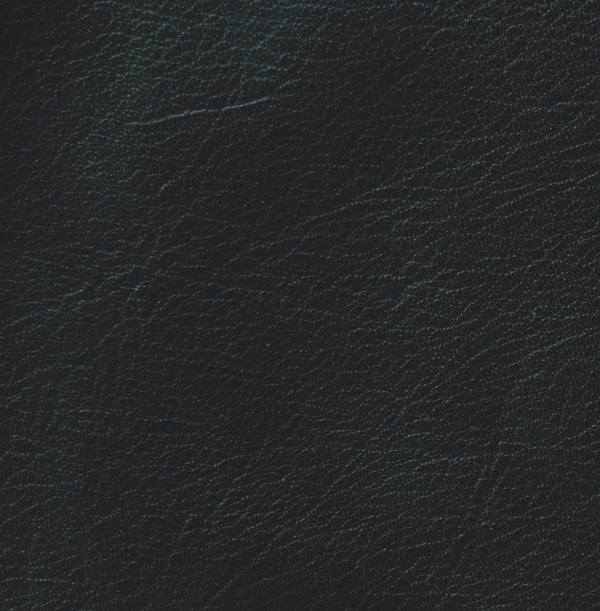
Black
Black Sokoto Goatskin
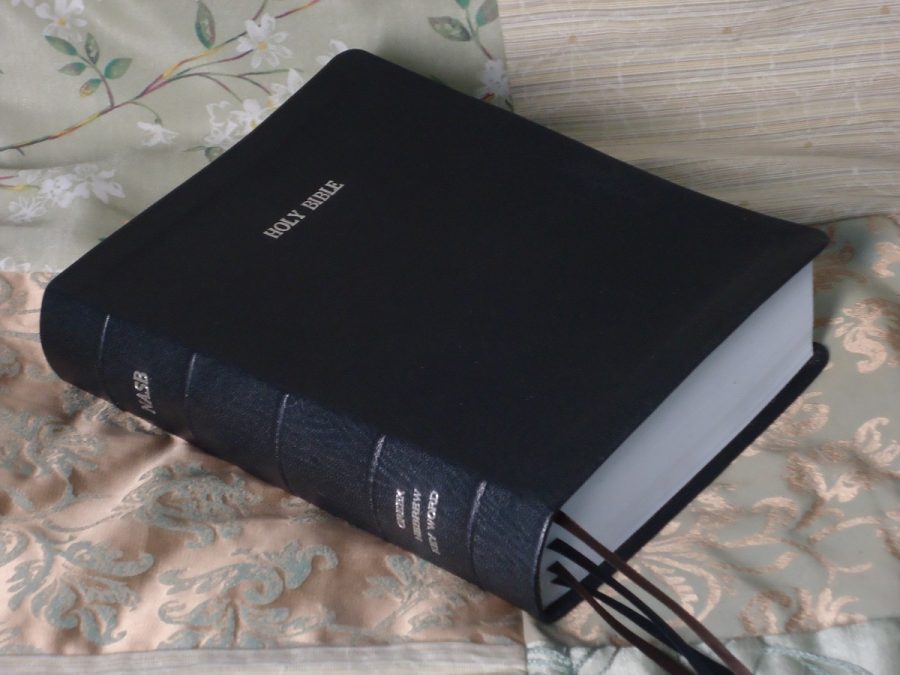
Black Bible
Black Sokoto Goatskin Bible

Gray
Gray Sokoto Goatskin
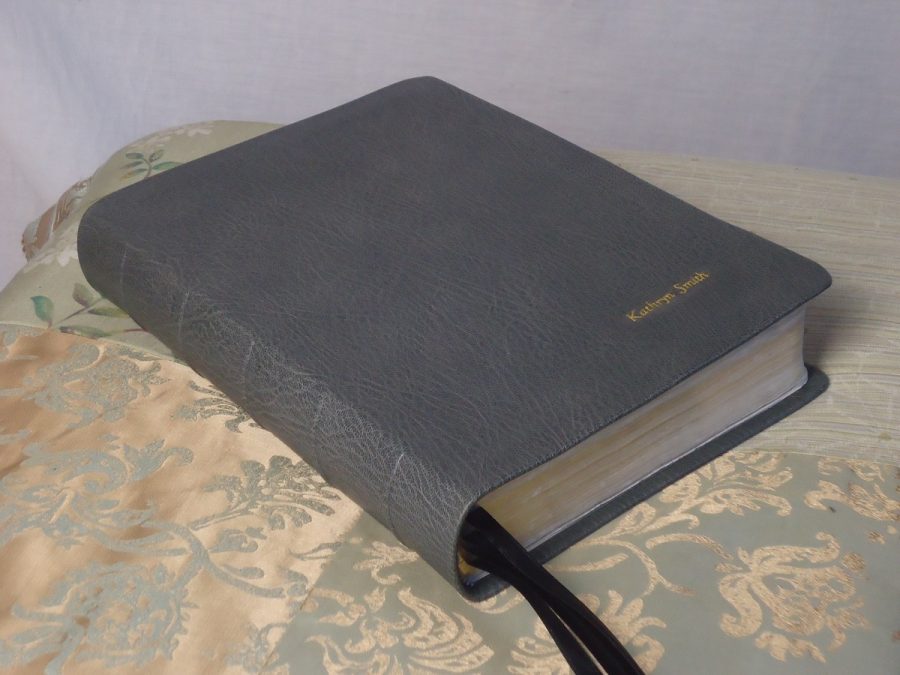
Gray Bible
Gray Sokoto Goatskin Bible
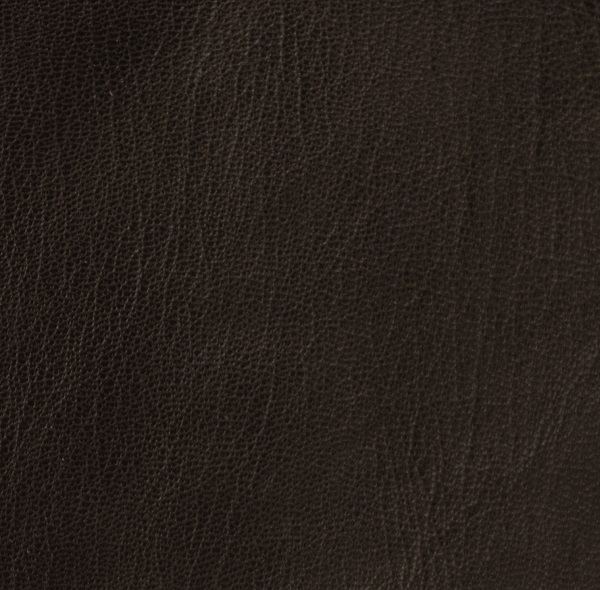
Mocha
Mocha Sokoto Goatskin
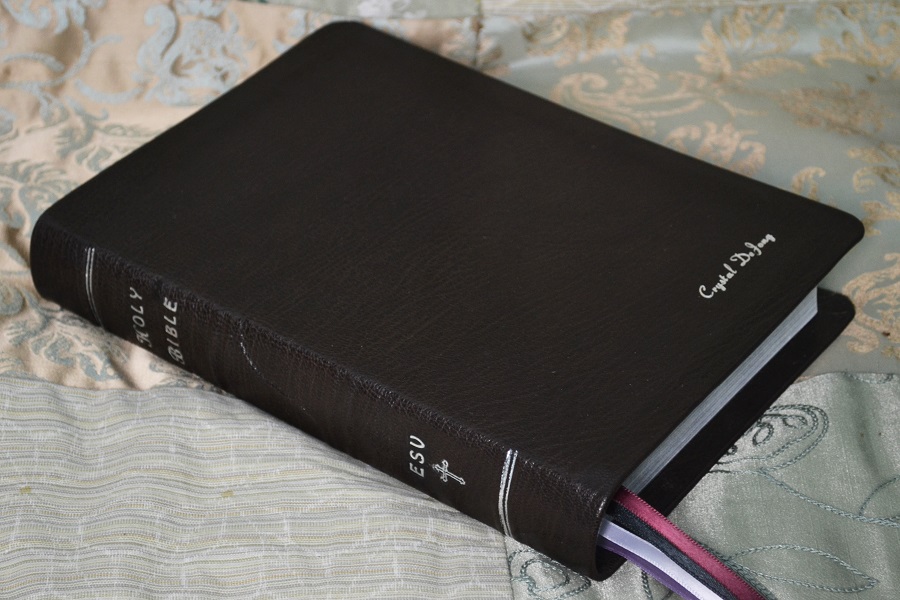
Mocha Bible
Mocha Sokoto Goatskin Bible
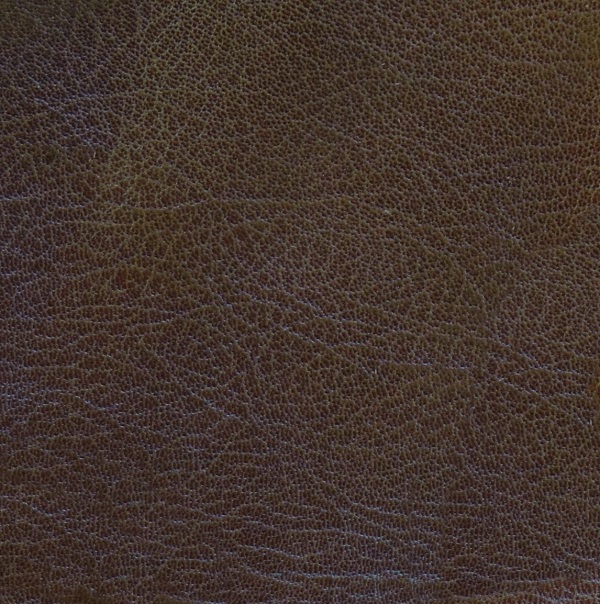
Brown
Brown Sokoto Goatskin
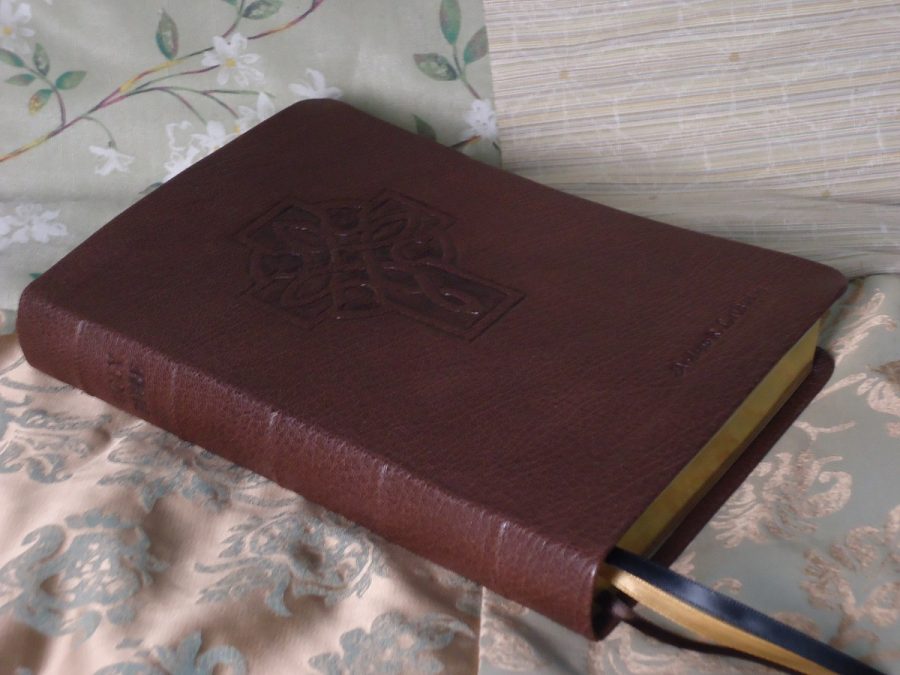
Brown Bible
Brown Sokoto Goatskin Bible
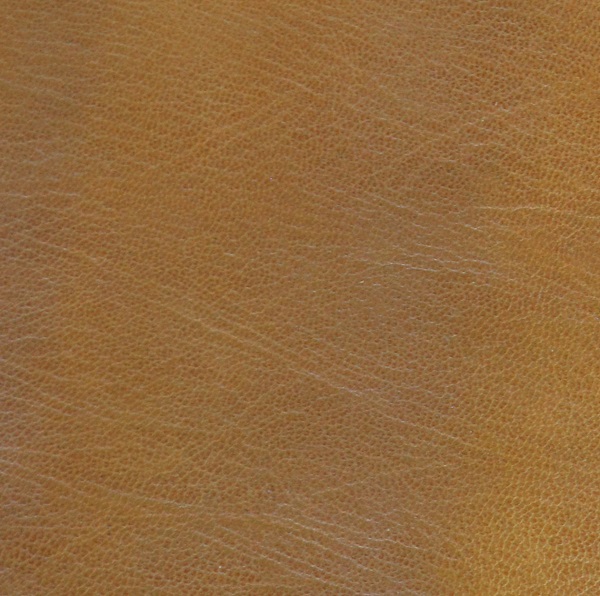
British Tan
British Tan Pebble Sokoto Goatskin
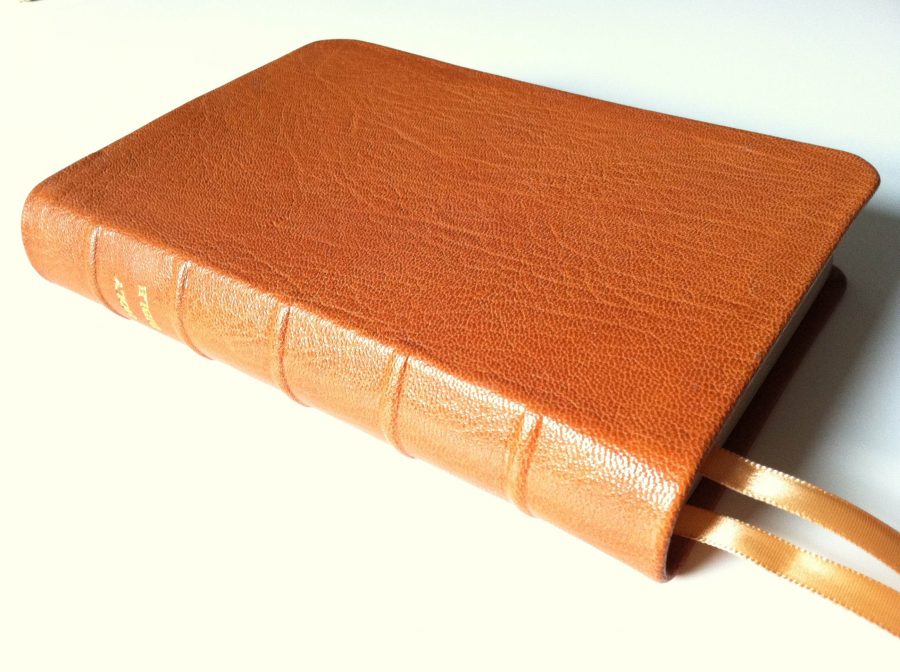
British Tan Bible
British Tan Pebble Sokoto Goatskin Bible
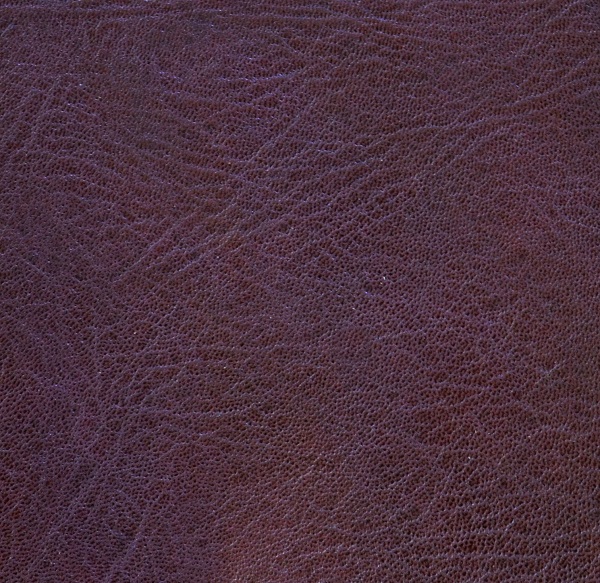
Crimson
Crimson Sokoto Goatskin
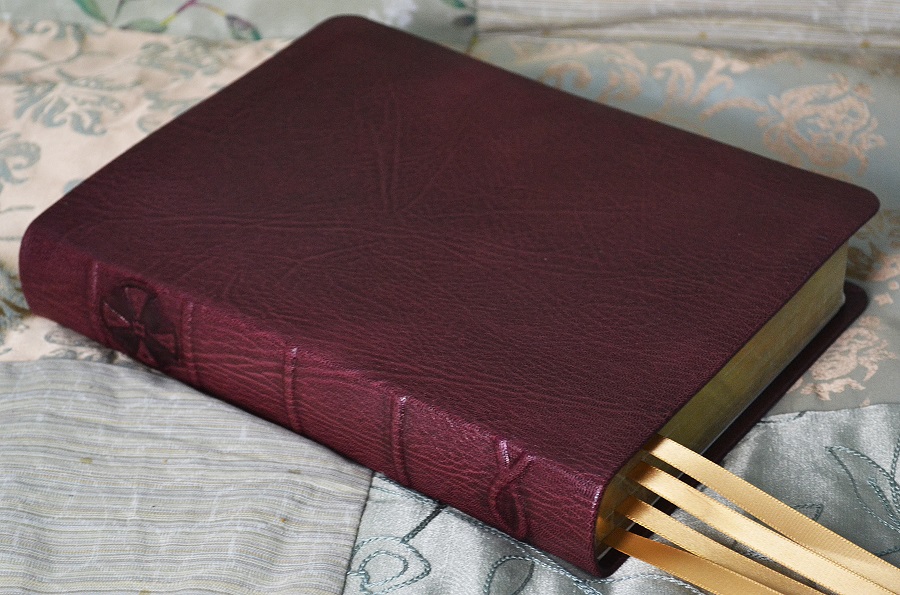
Crimson Bible
Crimson Sokoto Goatskin Bible
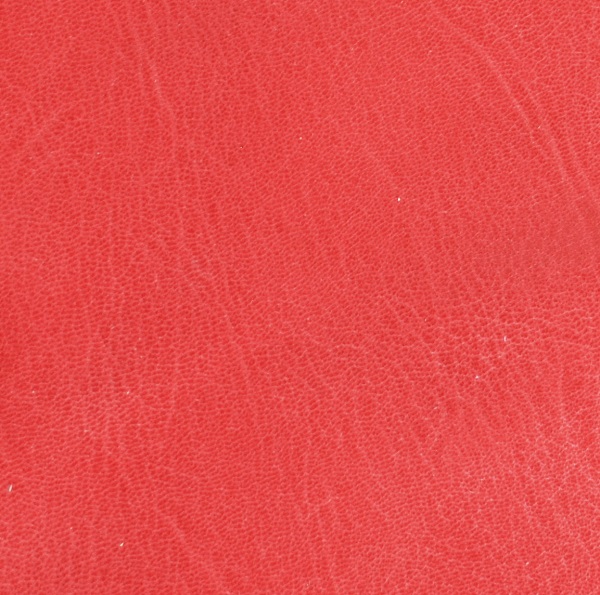
Red
Red Sokoto Goatskin
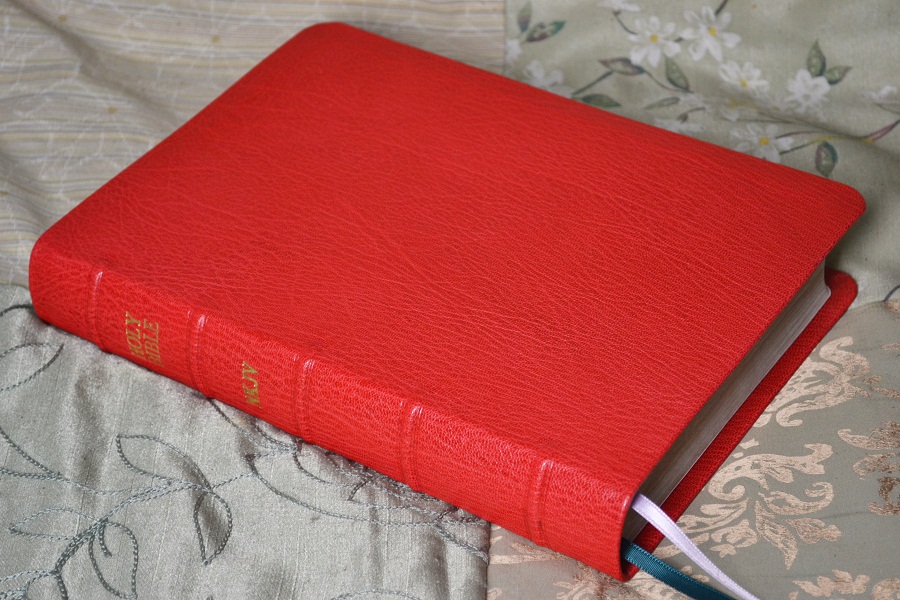
Red Bible
Red Sokoto Goatskin Bible
Navy
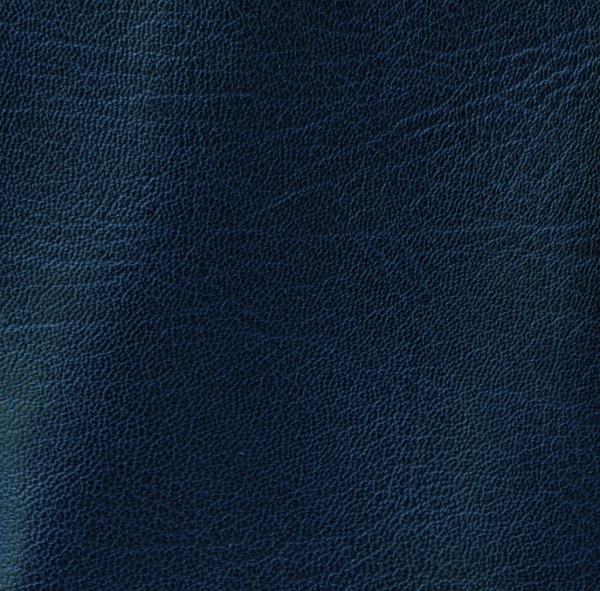
Navy Sokoto Goatskin
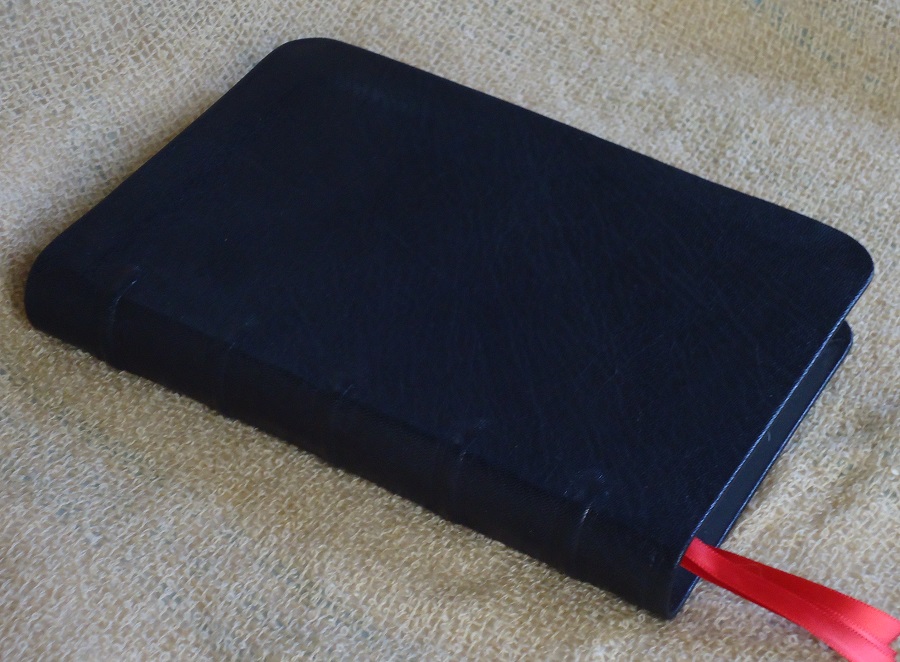
Navy Bible
Navy Sokoto Goatskin Bible
Terra Cotta
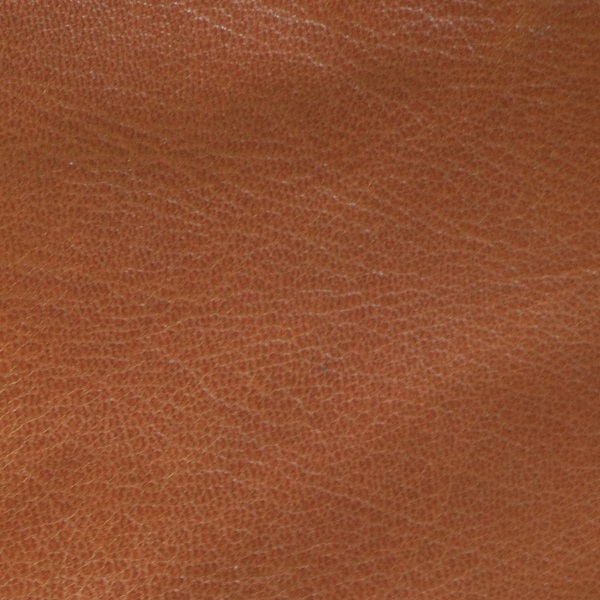
Terra Cotta Sokoto Goatskin
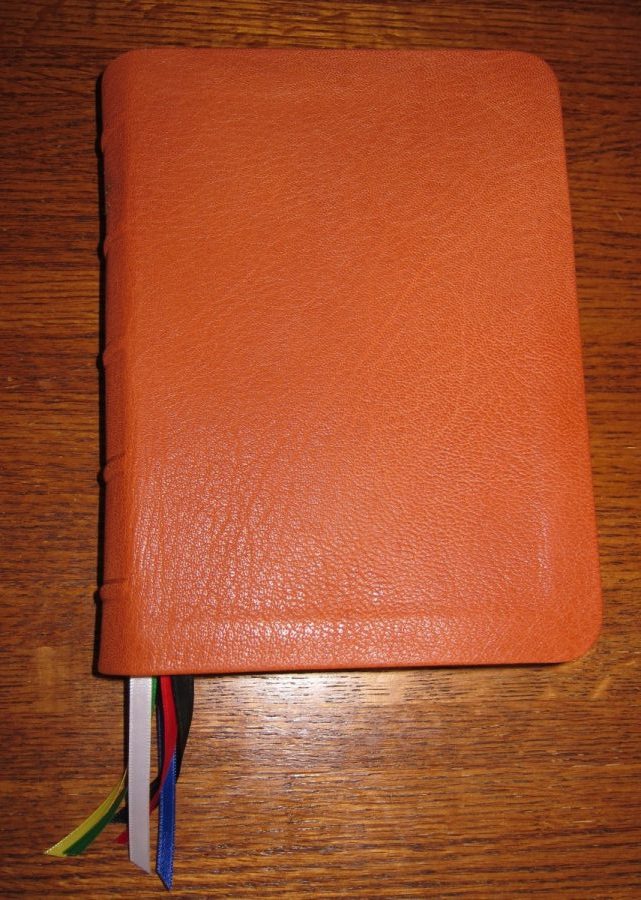
Terra Cotta Bible
Terra Cotta Sokoto Goatskin Bible
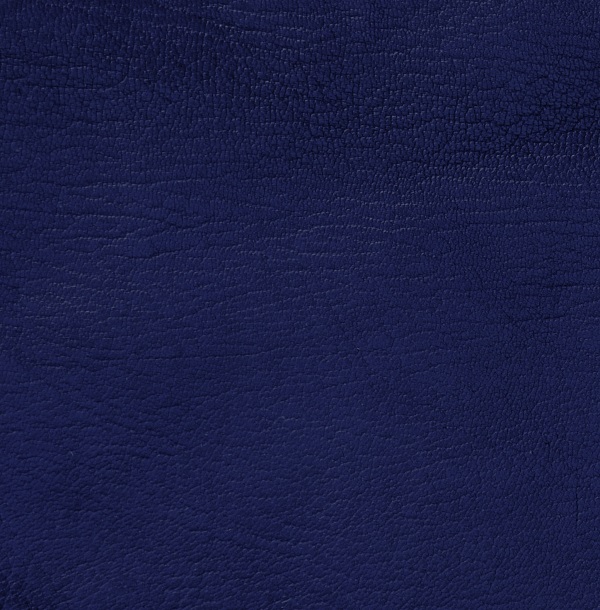
Purple
Purple Sokoto Goatskin
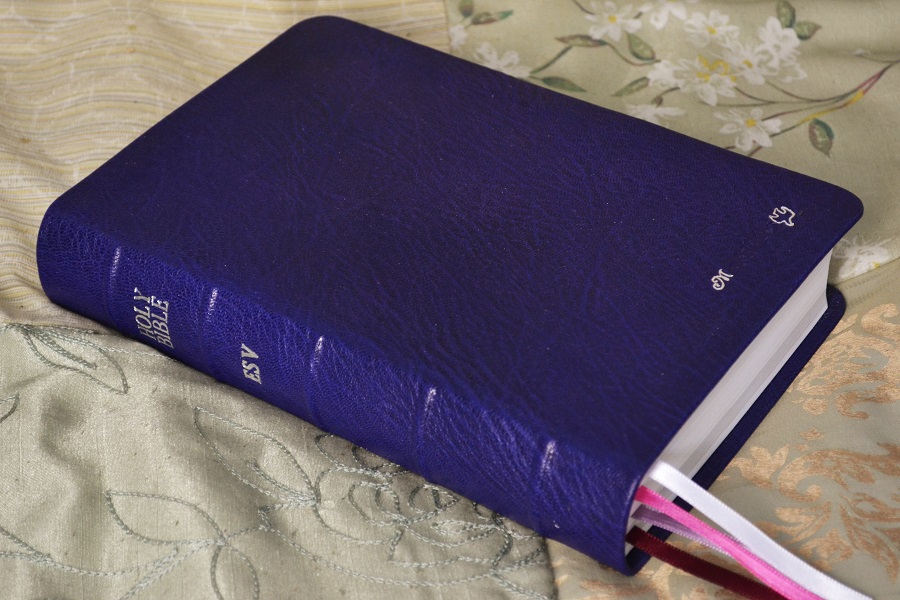
Purple Bible
Purple Sokoto Goatskin Bible

Forest
Forest Sokoto Goatskin

Forest Bible
Forest Sokoto Goatskin Bible
This is a fine archival, vegetable-tanned bookbinding leather with a shrunken grain. It is strong, flexible, has a beautiful grain, and feels great in your hand. The difference between Capra Grain and Sokoto goatskin is that Capra has a smaller and more even grain, and Sokoto has a wild grain.
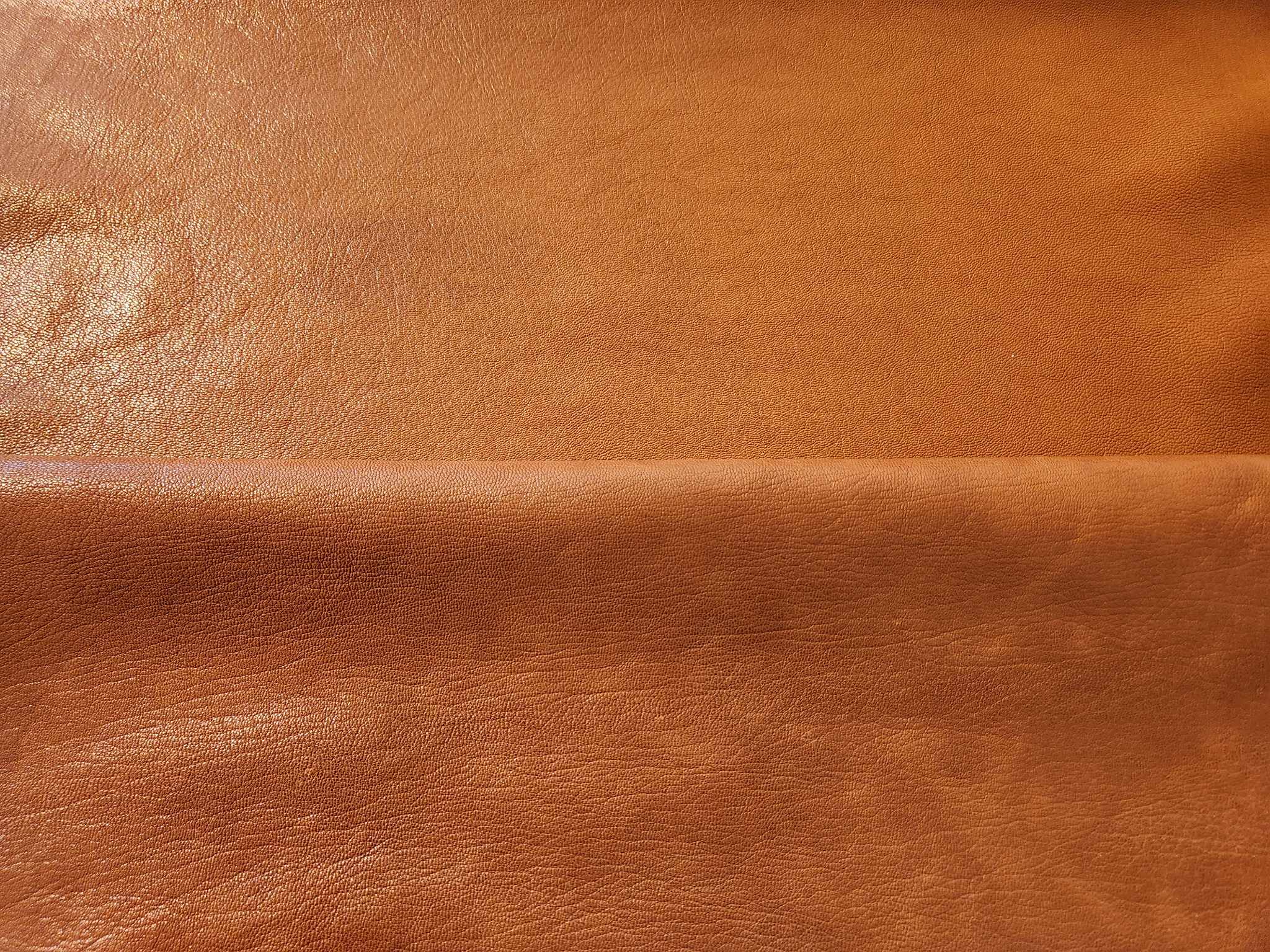
Capra, Sokoto
Capra vs Sokoto Goatskin
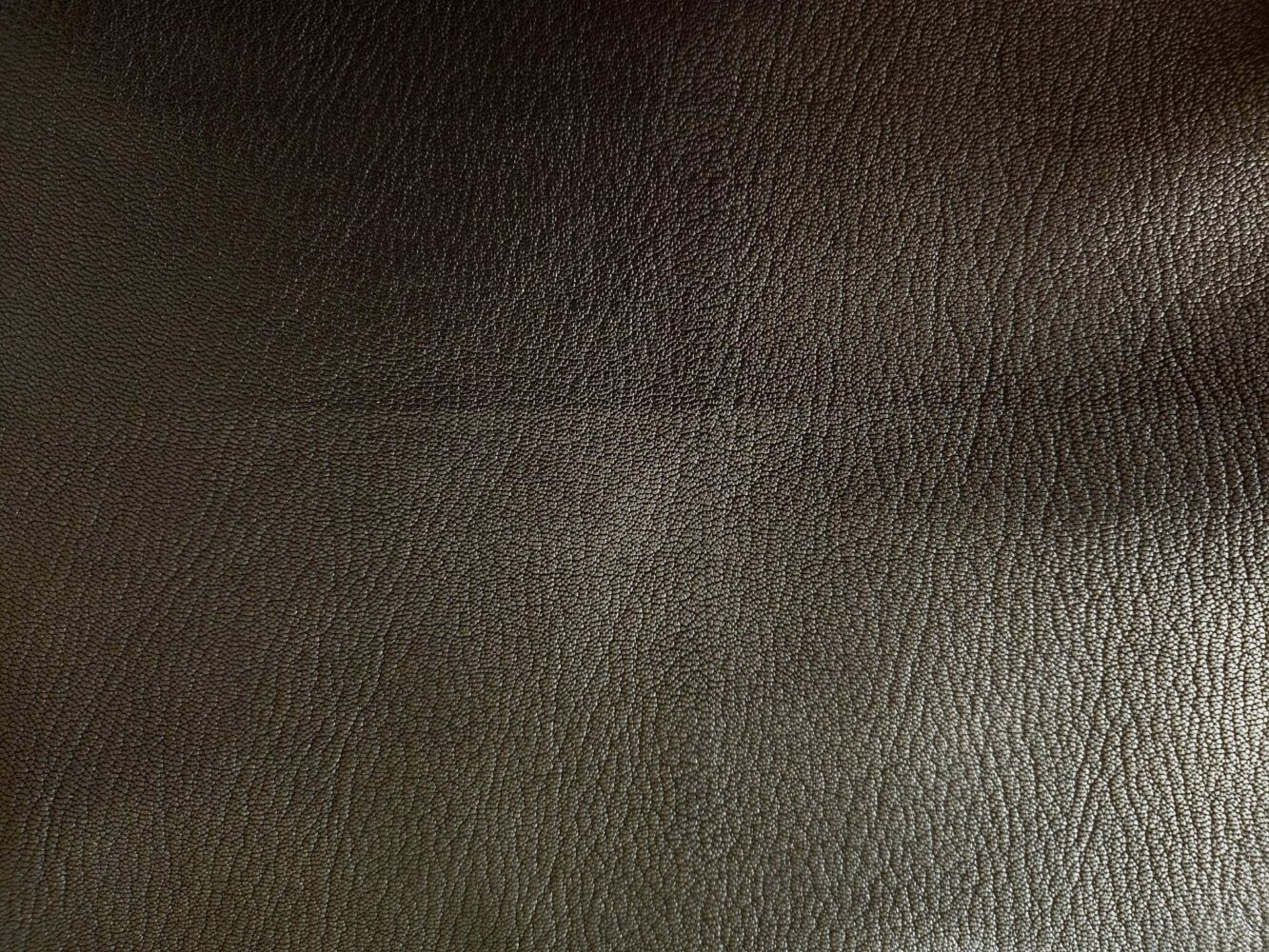
Black
Black Capra Grain Goatskin
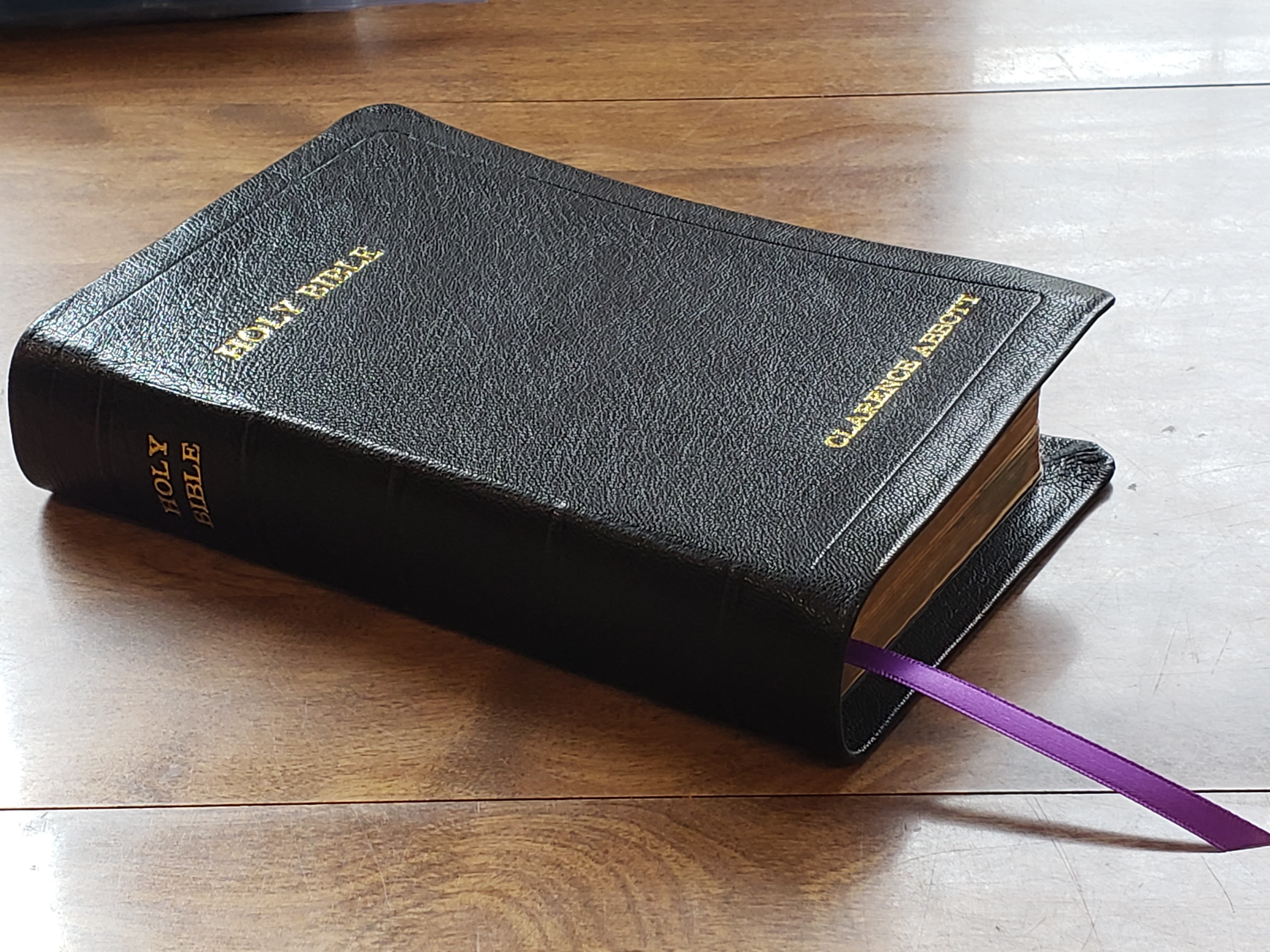
Black Bible
Black Capra Grain Goatskin Bible
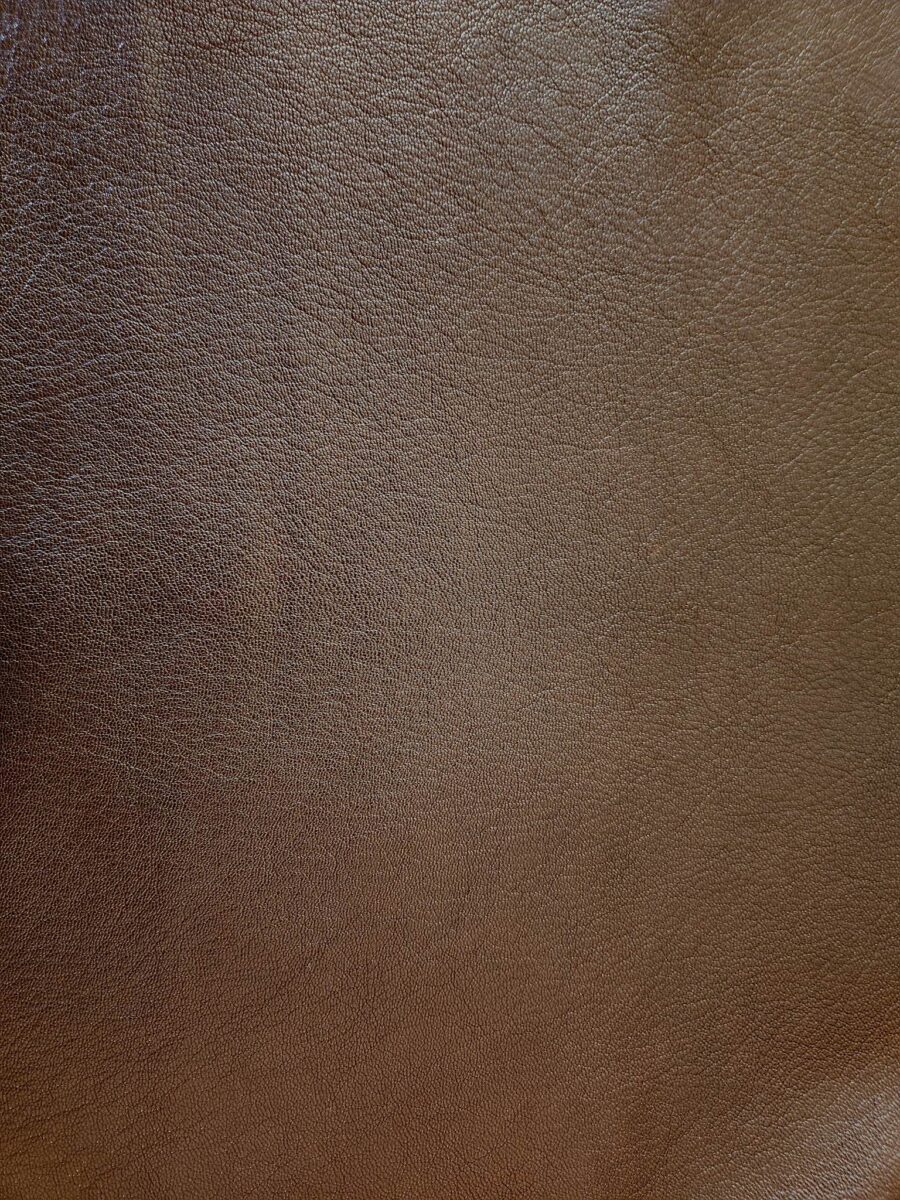
Brown
Brown Capra Grain Goatskin

Brown Bible
Brown Capra Grain Goatskin Bible
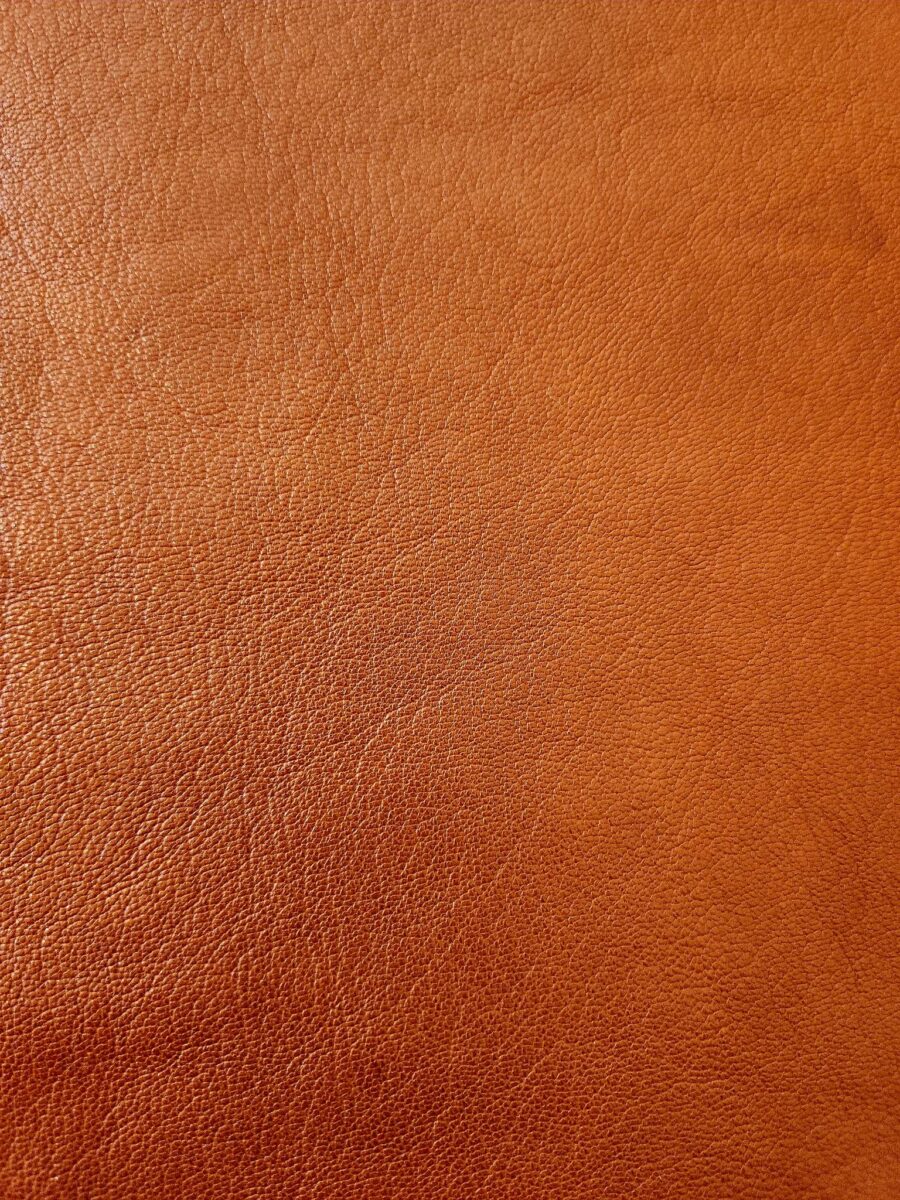
Terra Cotta
Terra Cotta Capra Grain Goatskin

Terra Cotta Bible
Terra Cotta Capra Grain Goatskin Bible
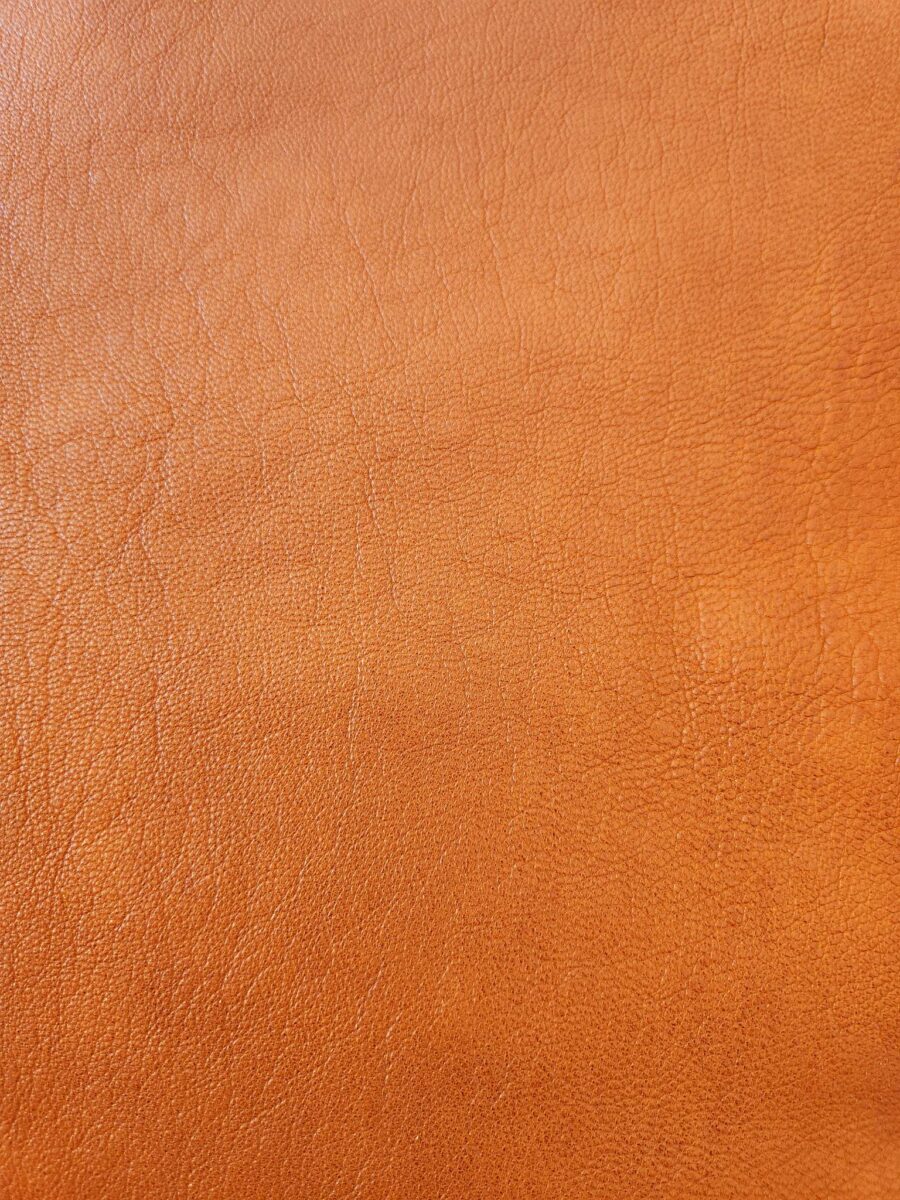
British Tan
British Tan Capra Grain Goatskin
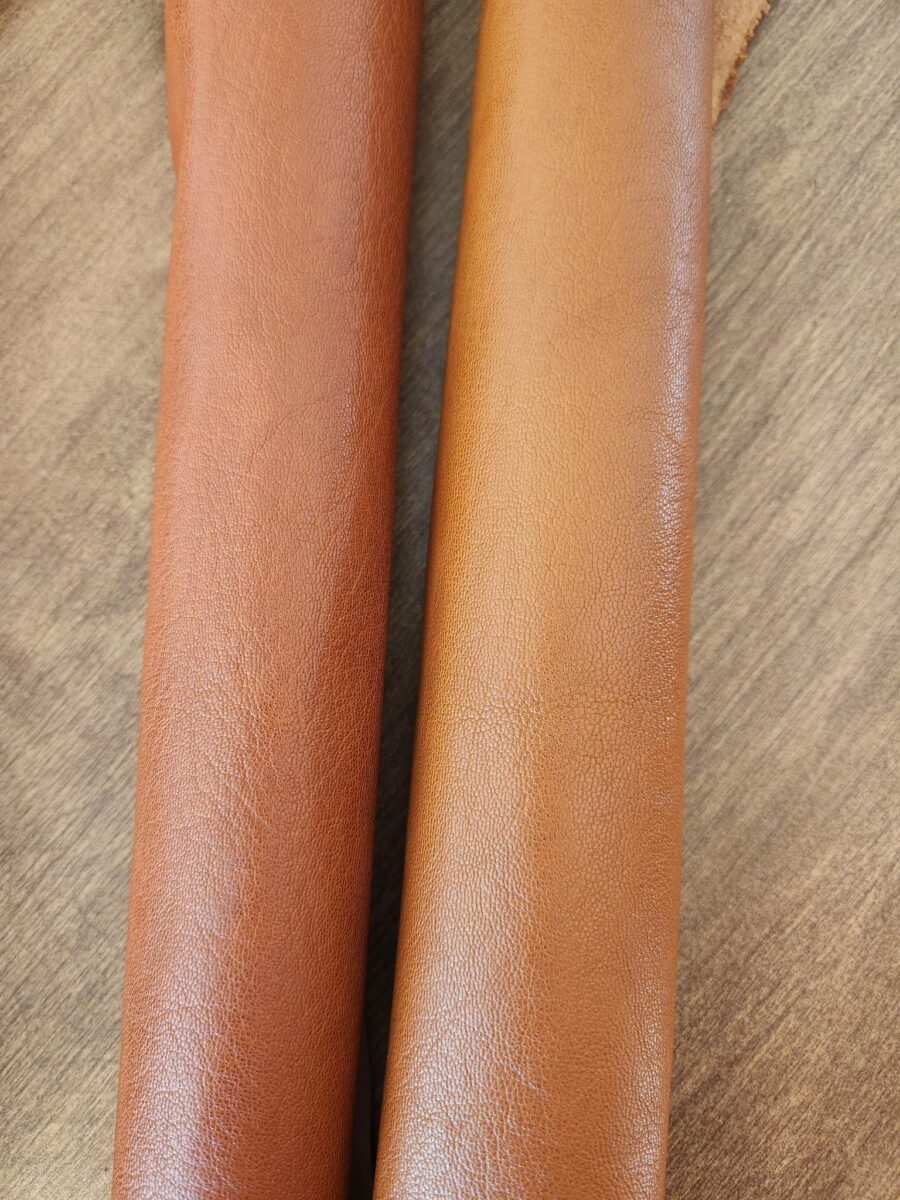
Terra Cotta and British Tan
Terra Cotta and British Tan Capra Grain Goatskin
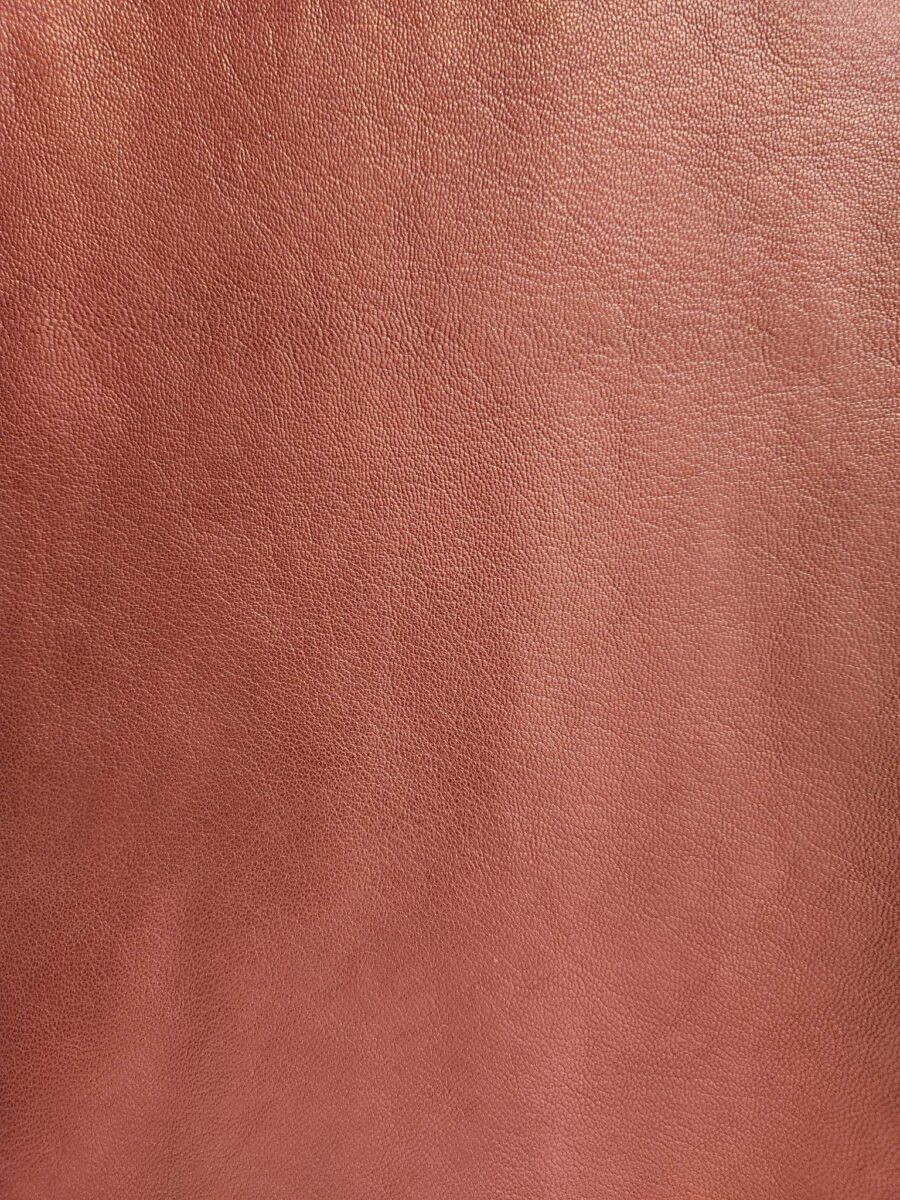
Crimson
Crimson Capra Grain Goatskin
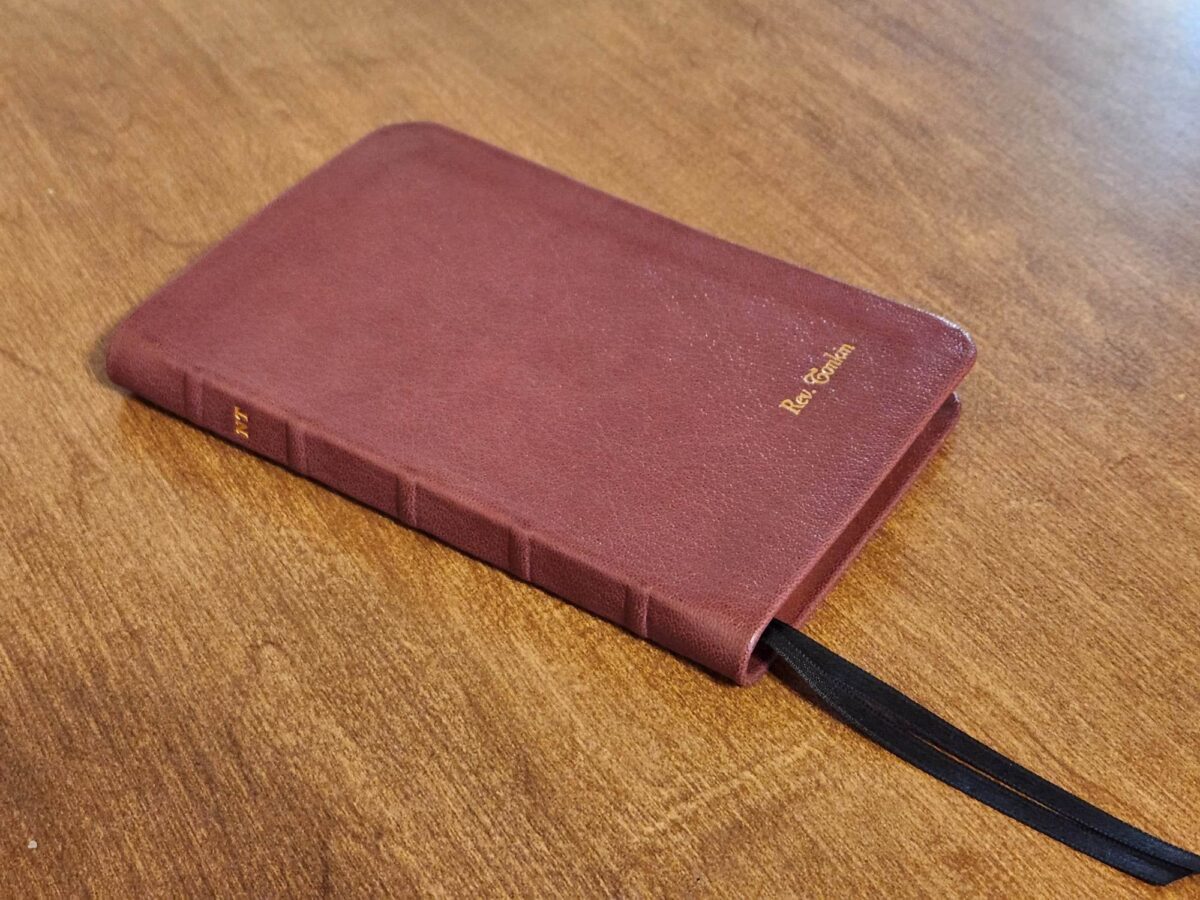
Crimson Bible
Crimson Capra Grain Goatskin Bible
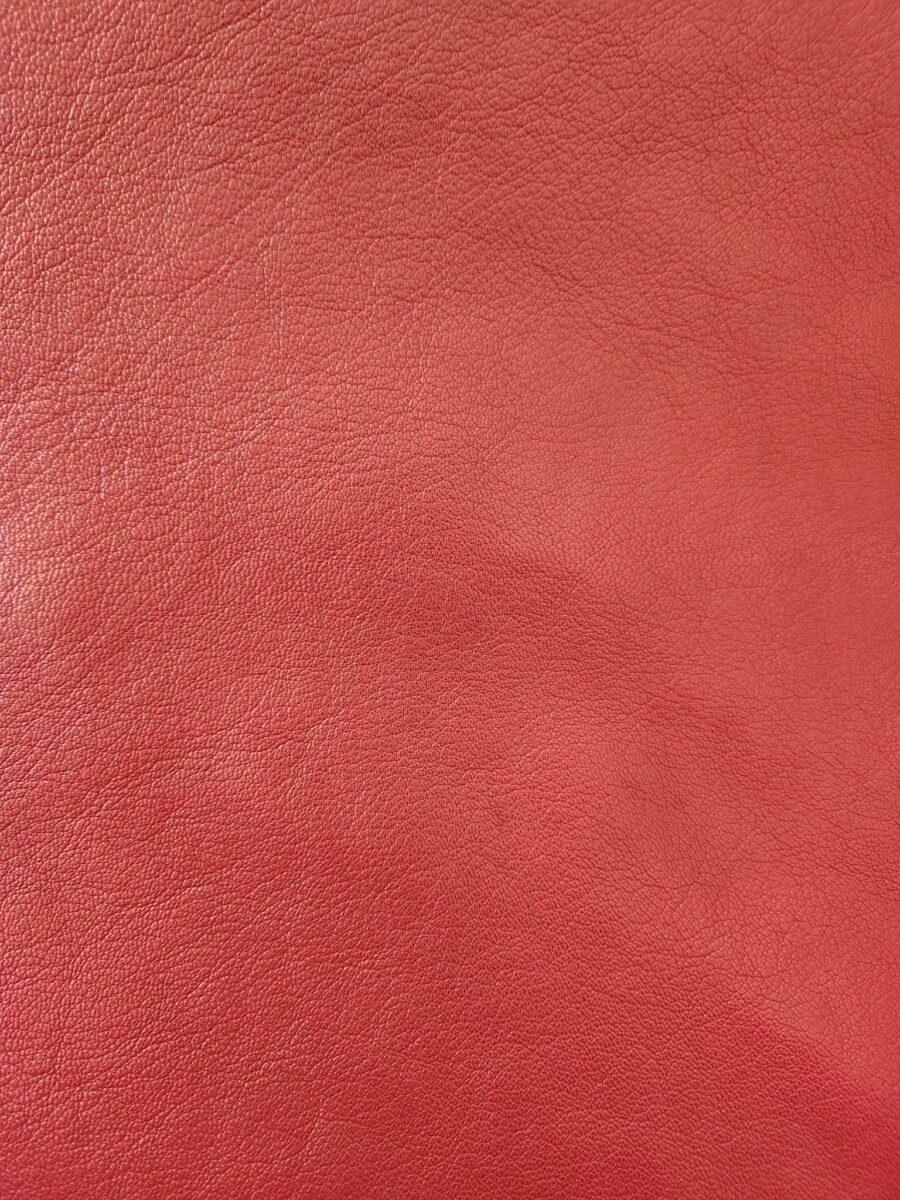
Red
Red Capra Grain Goatskin
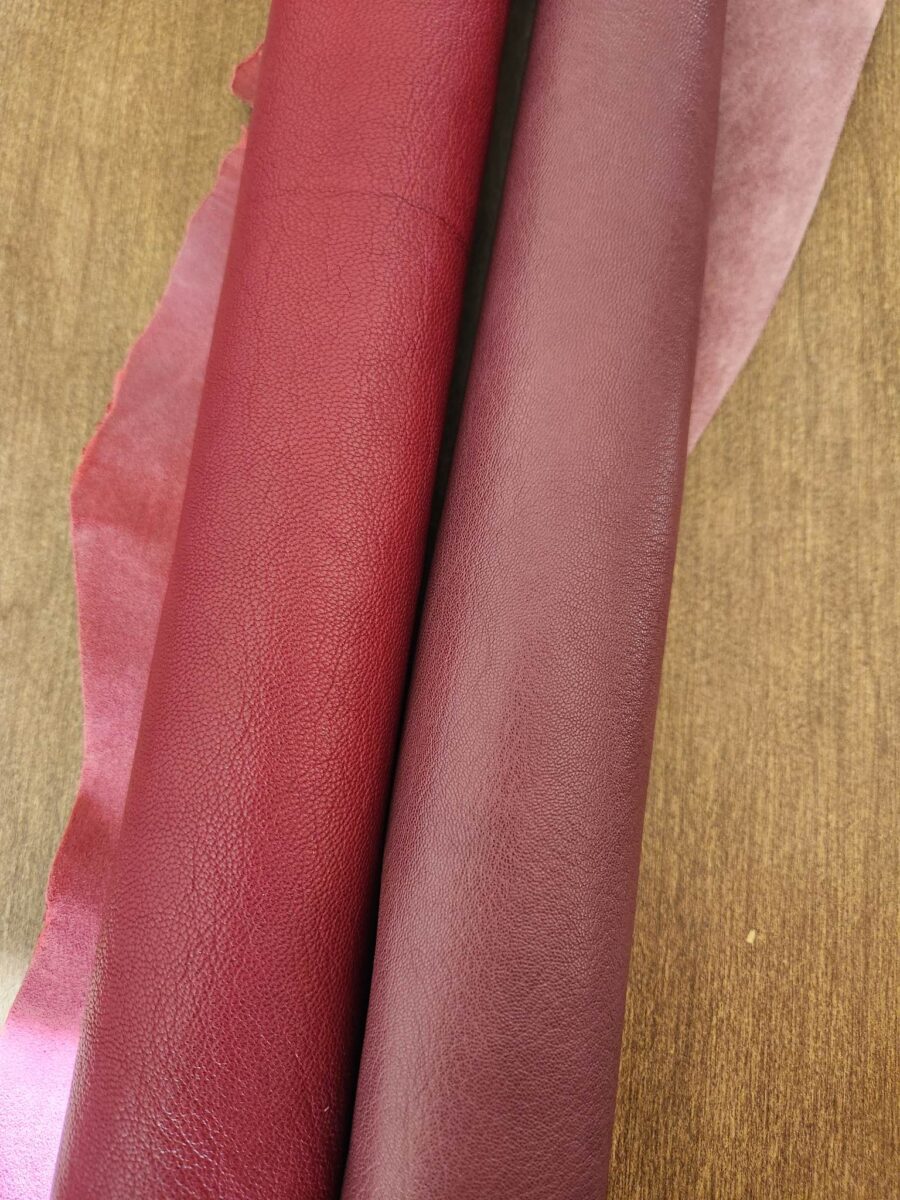
Red and Crimson
Red and Crimson Capra Grain Goatskin
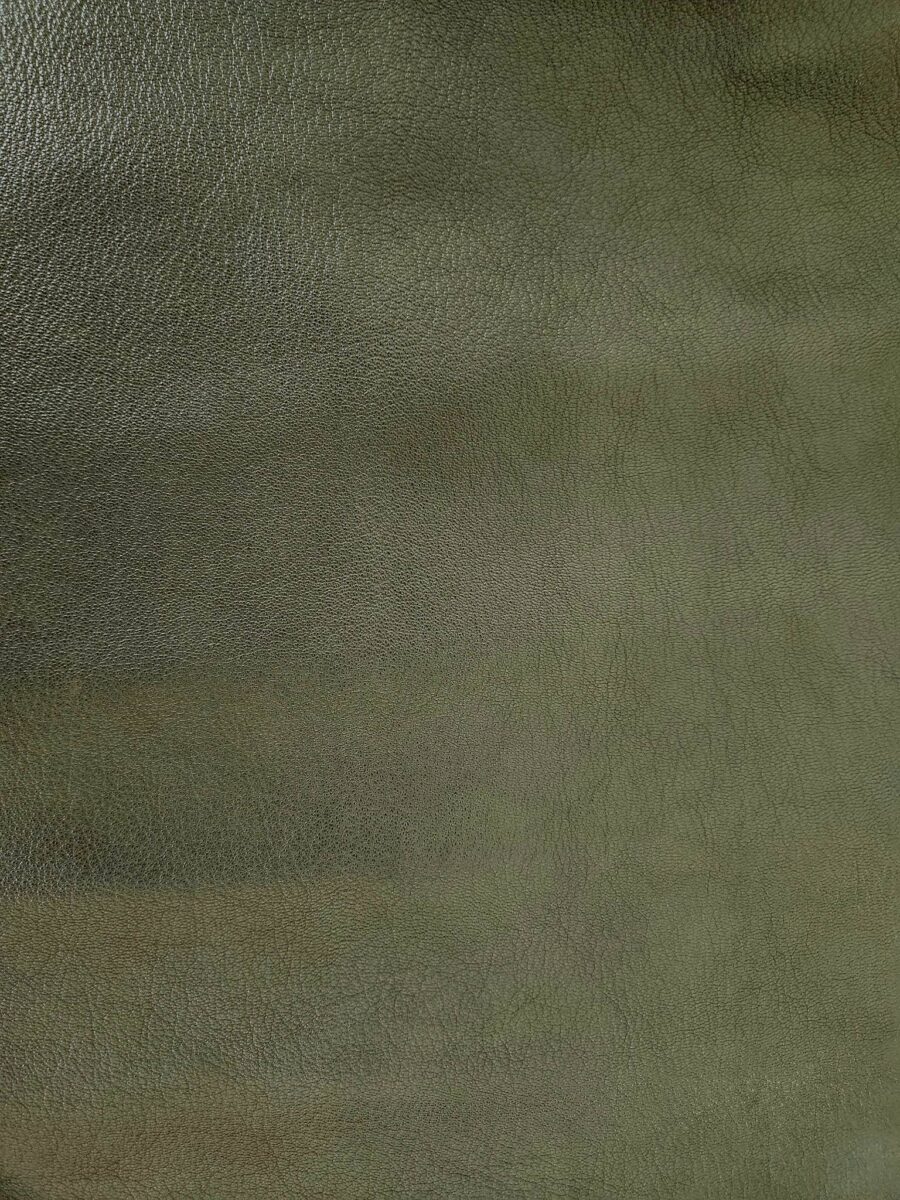
Forest
Forest Capra Grain Goatskin

Navy
Navy Capra Grain Goatskin
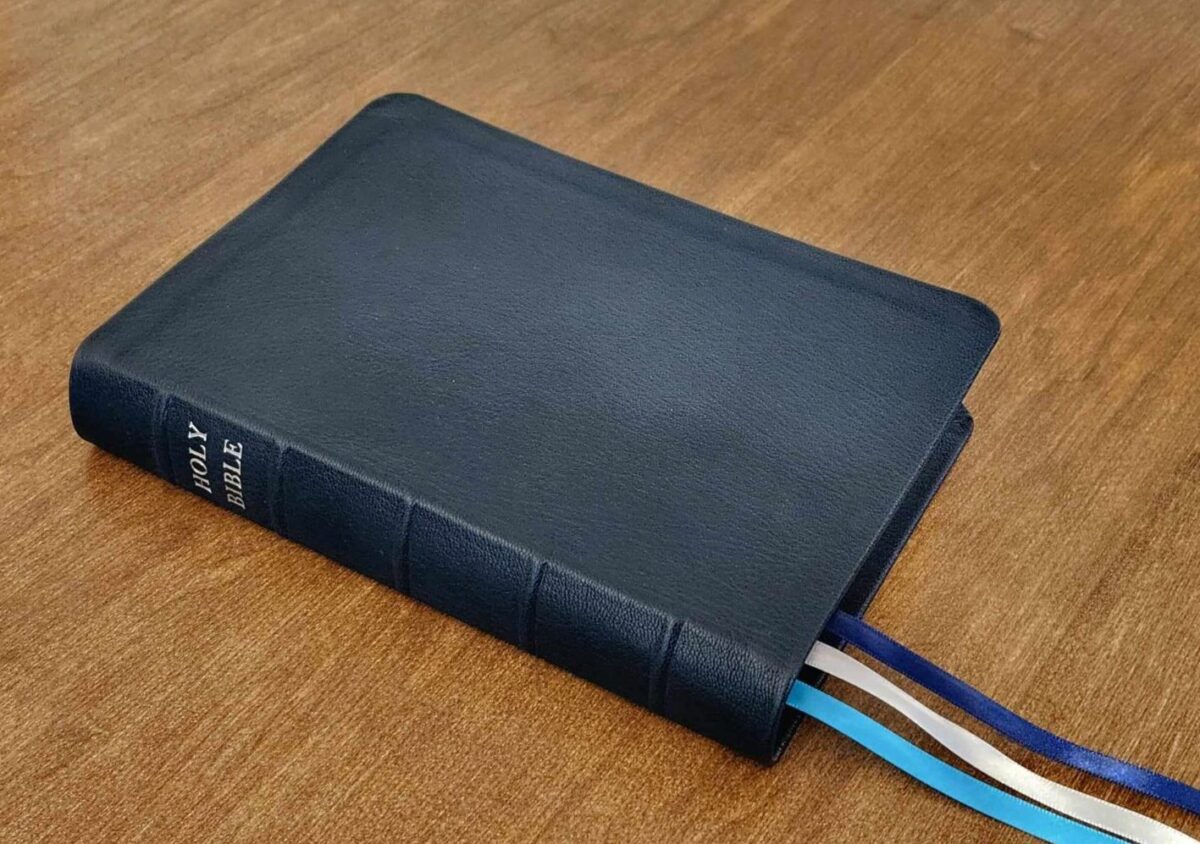
Navy Bible
Navy Capra Grain Goatskin Bible
This is a sturdy natural goatskin, spindled (pre-wrinkled) to add flexibility, and dyed and antiqued by our binders. It’s a tooling leather, as are all the leathers on this page, so tooled designs and blind-stamping can be done, as well as regular stamping with a color. Note: No two covers are exactly alike.
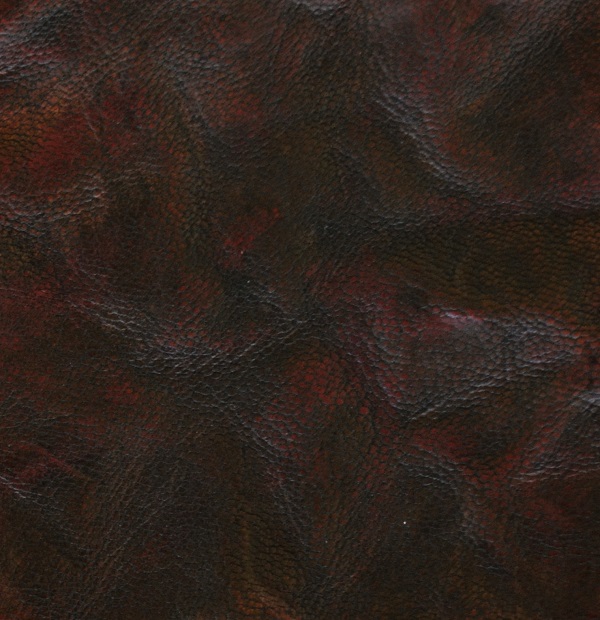
Medium Brown
Medium Brown Hand-Dyed Natural Goatskin
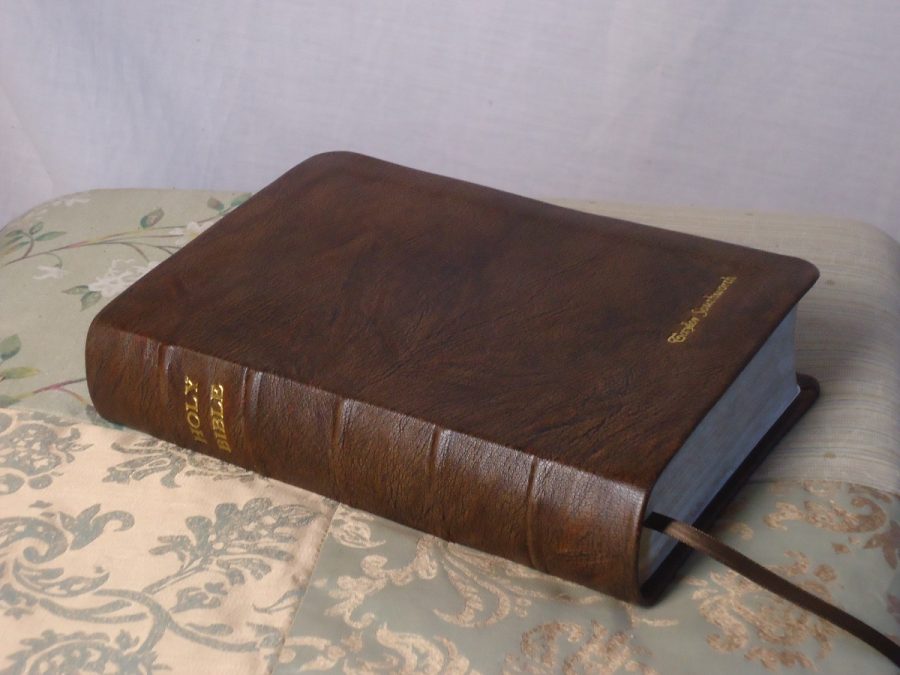
Medium Brown Bible
Medium Brown Hand-Dyed Natural Goatskin Bible
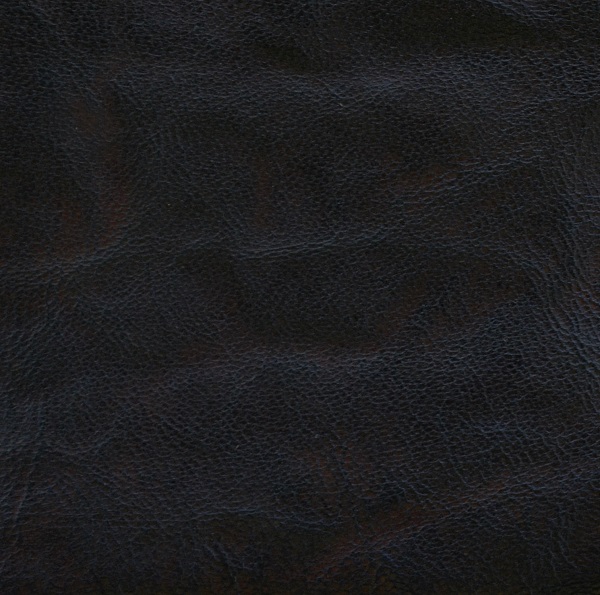
Dark Brown
Dark Brown Hand-Dyed Natural Goatskin
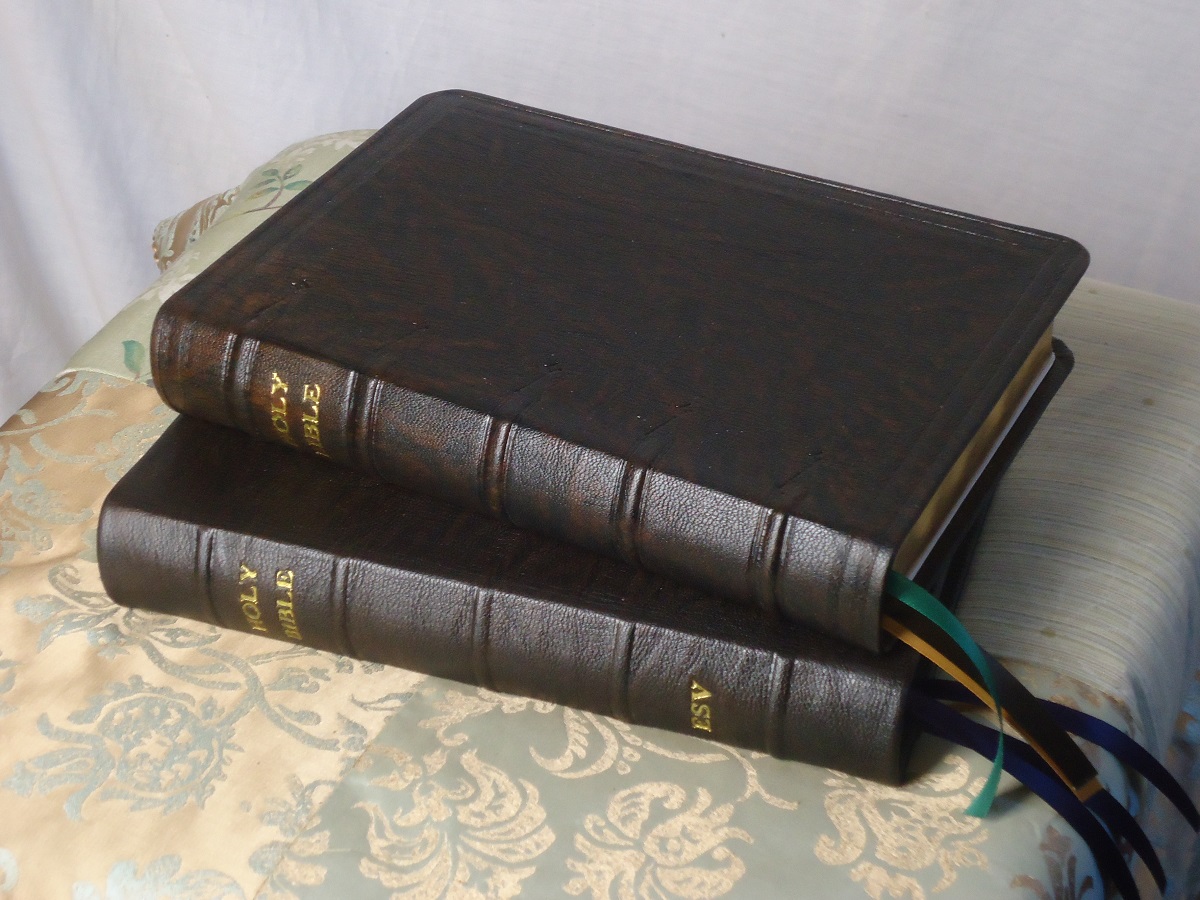
Dark Brown Bibles
Dark Brown Hand-Dyed Natural Goatskin Bibles
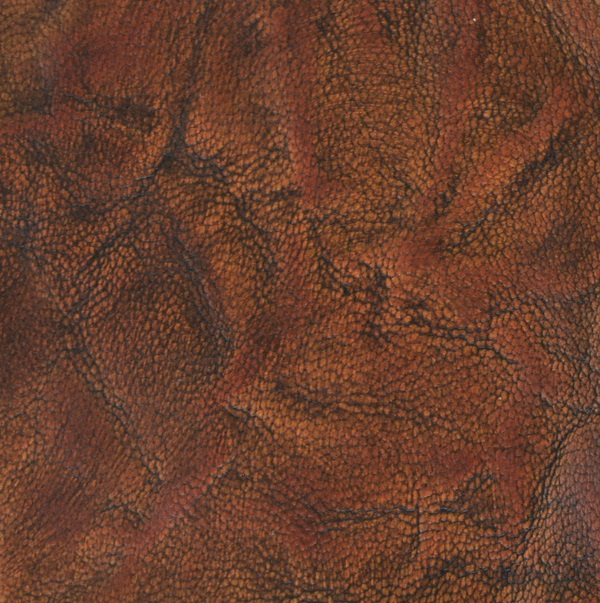
Tan
Tan Hand-Dyed Natural Goatskin
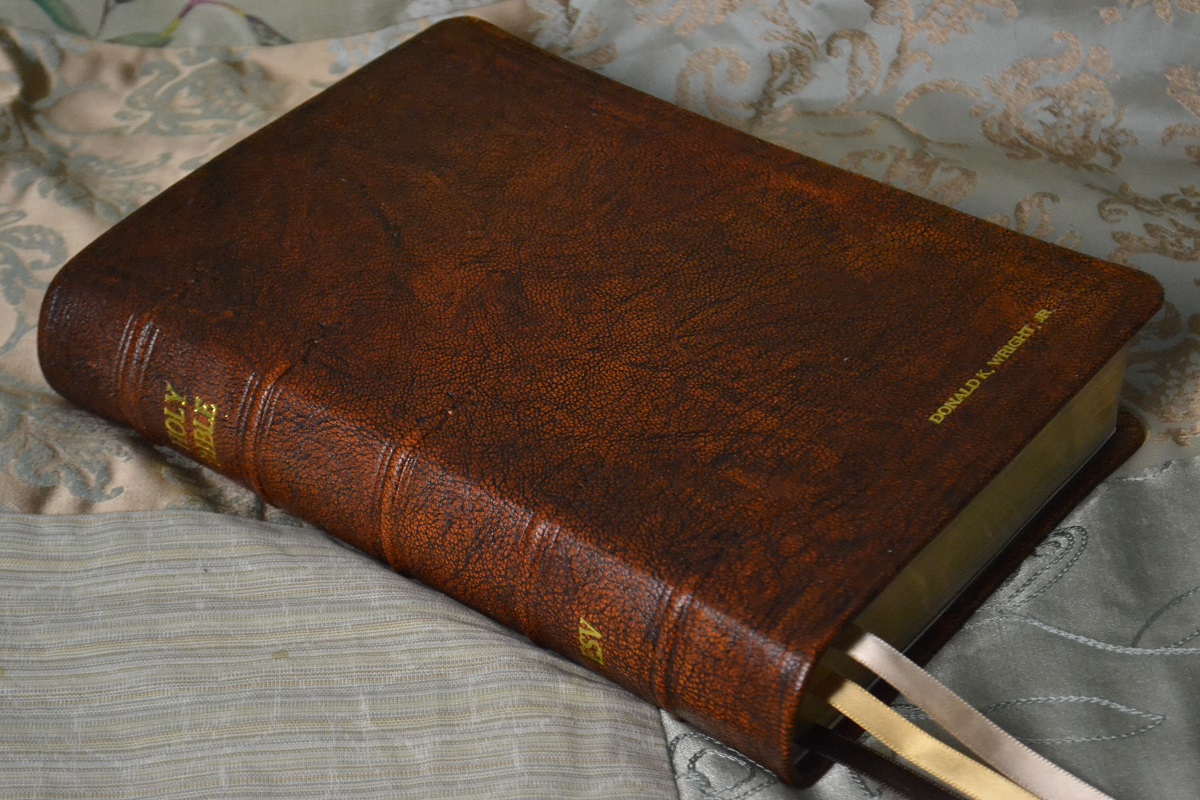
Tan Bible
Tan Hand-Dyed Natural Goatskin Bible
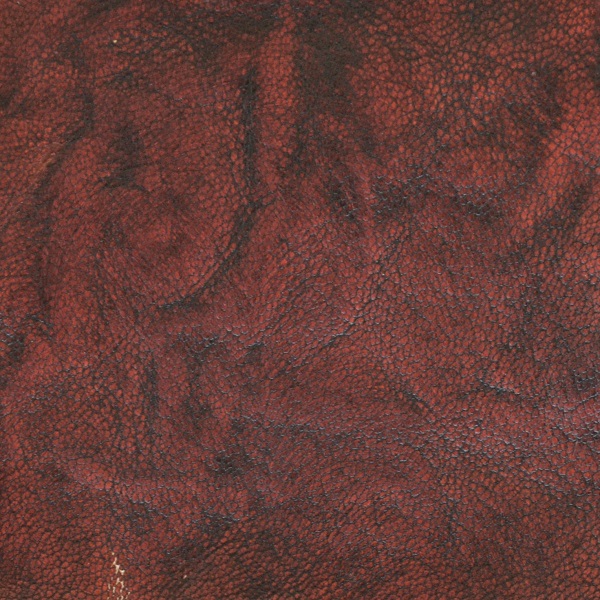
Saddle Tan
Saddle Tan Hand-Dyed Natural Goatskin
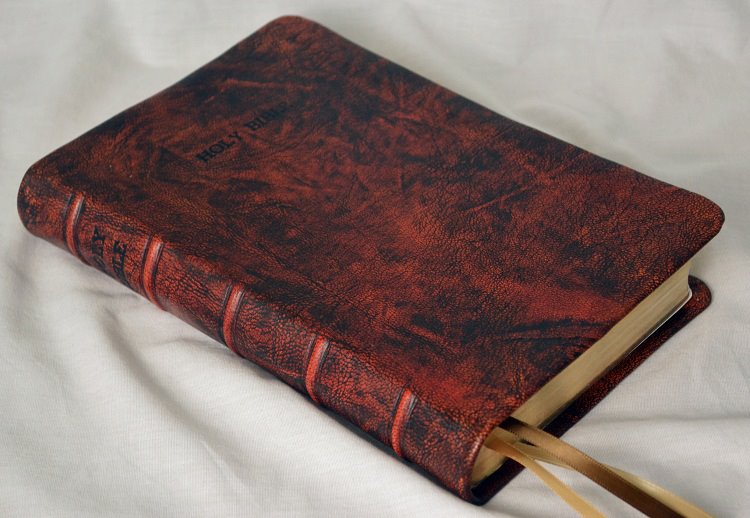
Saddle Tan Bible
Saddle Tan Hand-Dyed Natural Goatskin Bible
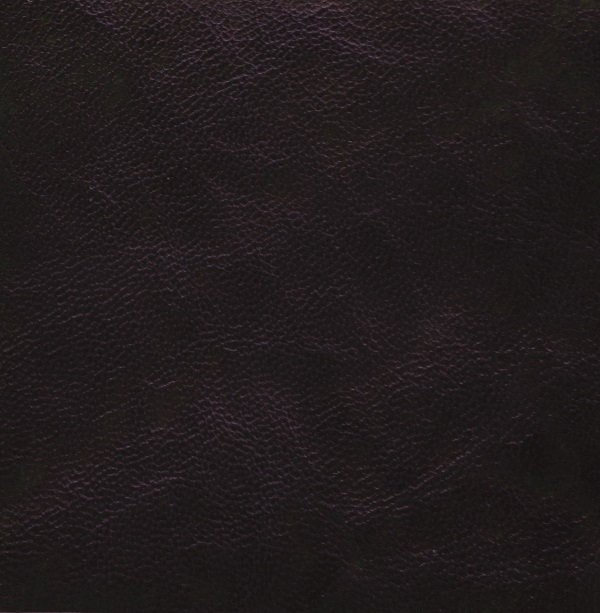
Mahogany
Mahogany Hand-Dyed Natural Goatskin
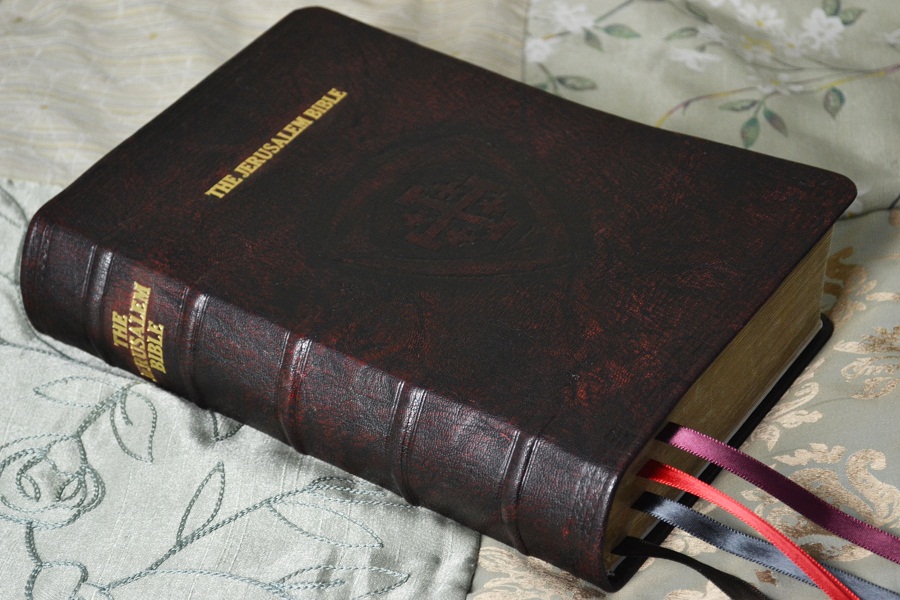
Mahogany Bible
Mahogany Hand-Dyed Natural Goatskin Bible
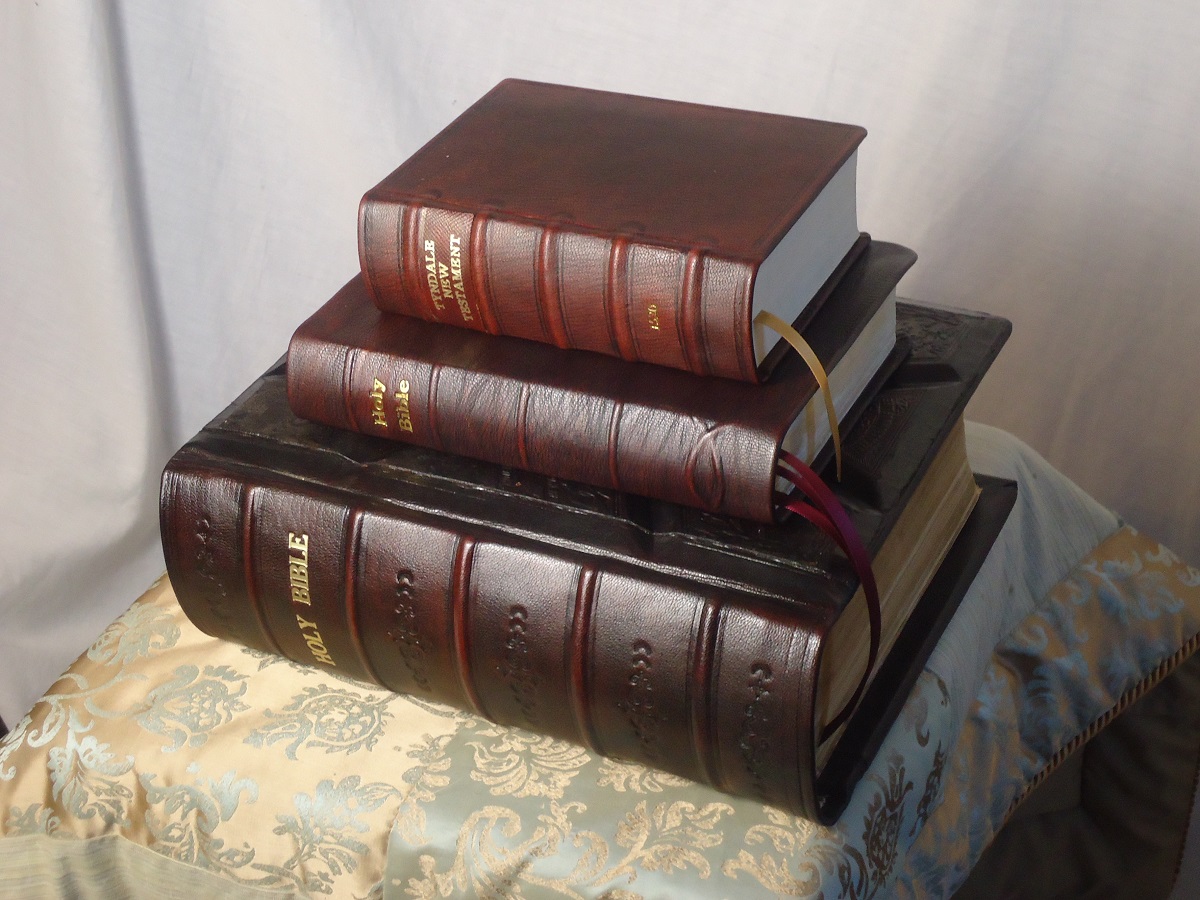
Mahogany Bibles
Mahogany Hand-Dyed Natural Goatskin Bibles
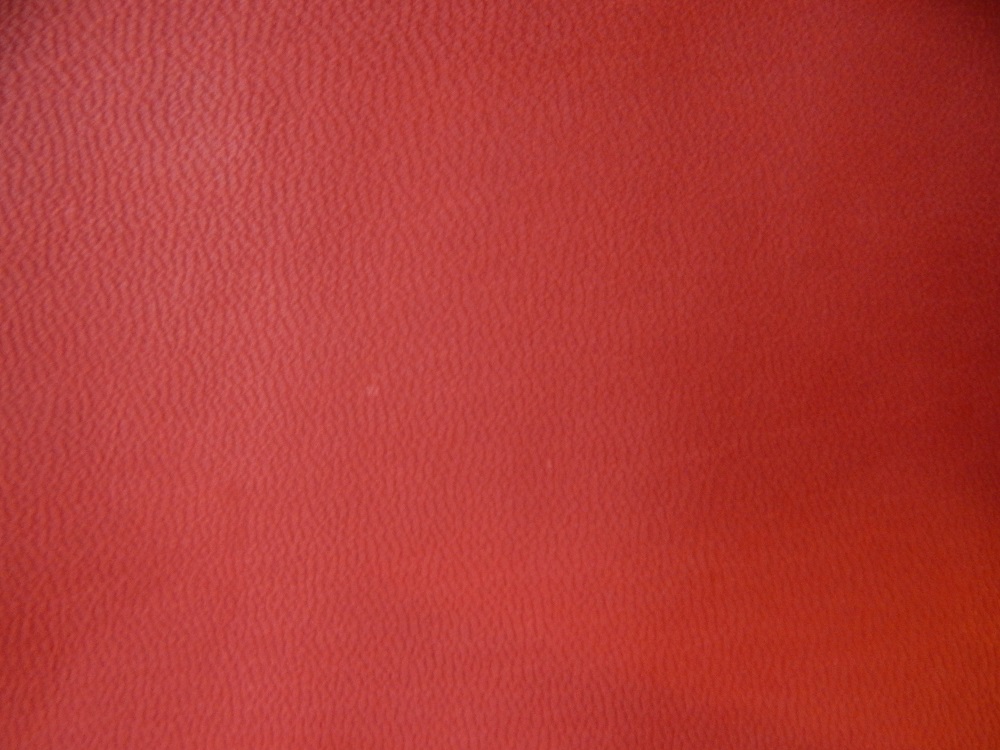
Red
Red Natural Goatskin
Green
Green Hand-Dyed Natural Goatskin
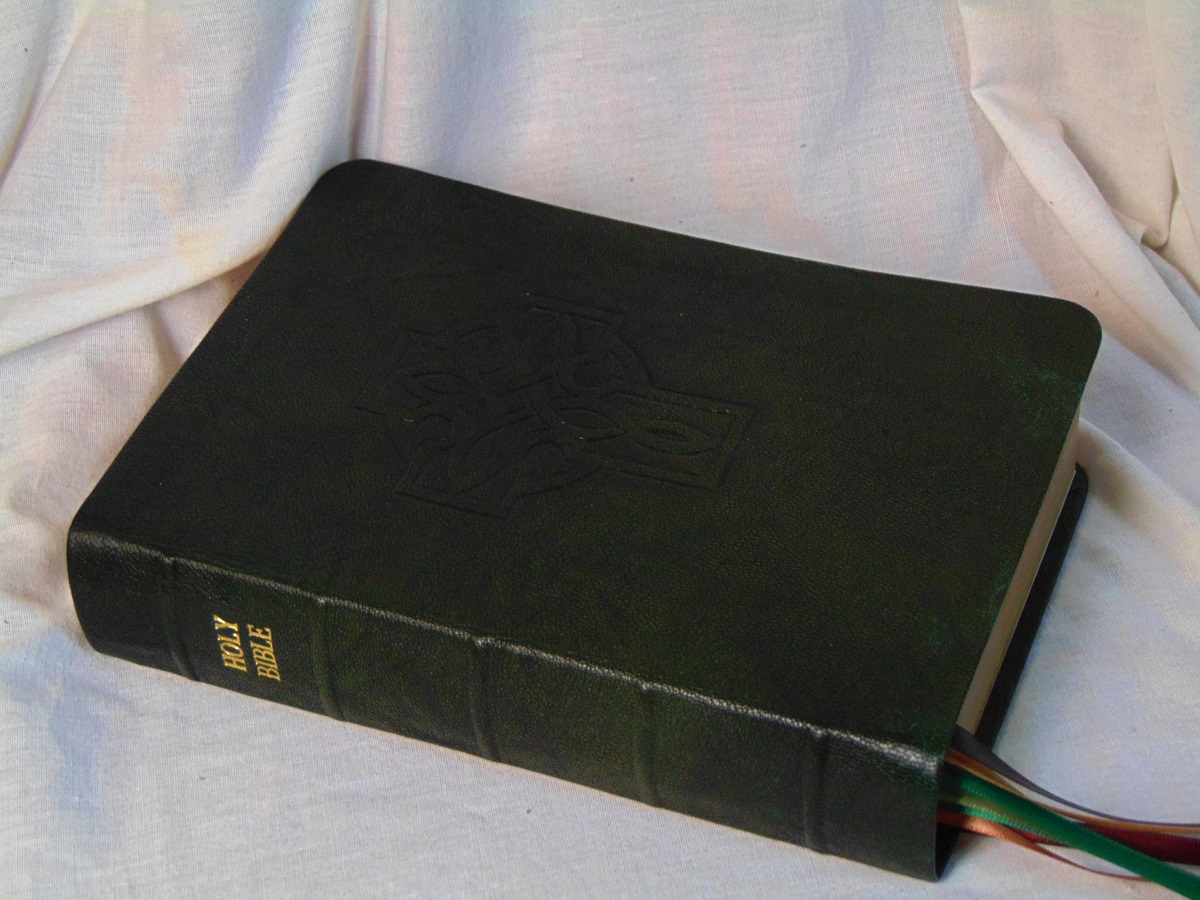
Green Bible
Green Hand-Dyed Natural Goatskin Bible
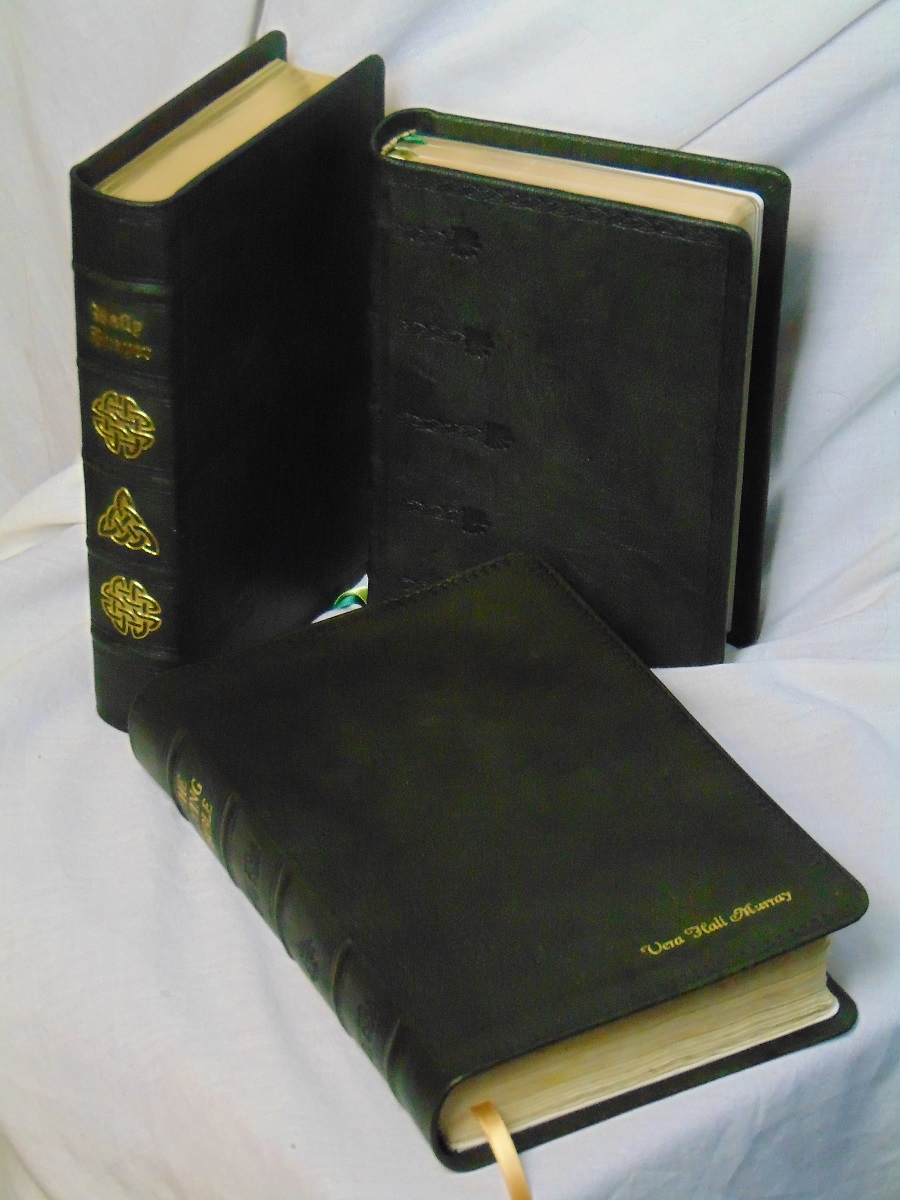
Green Bibles
Green Hand-Dyed Natural Goatskin Hardcovers and Softcover
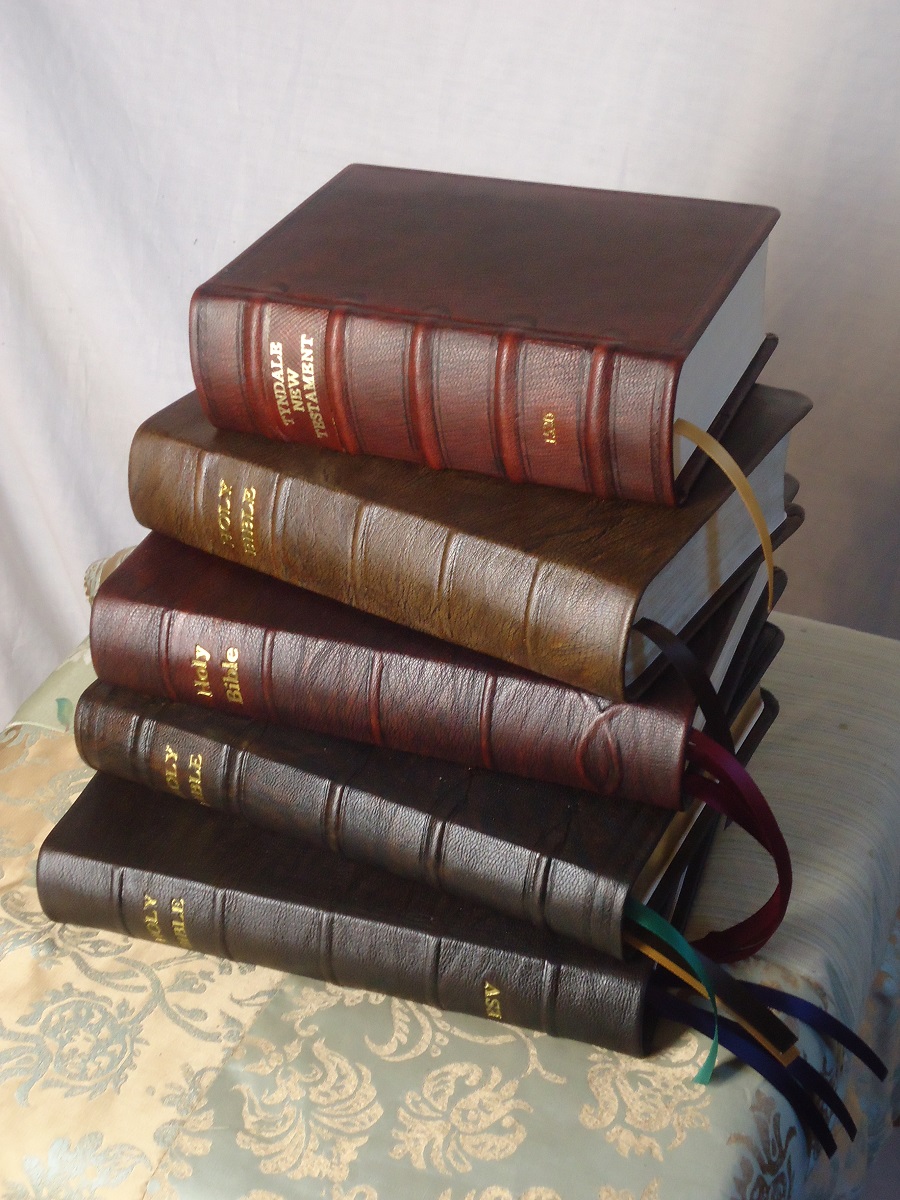
Natural Goatskin
Hand-Dyed Natural Goatskin Bibles
Not your typical Bible leather, but a very strong and good-looking one. This leather tools well and has the highest tensile strength of any leather on the marker, made from government-culled kangaroos. We recommend it especially for larger Bibles since it has more of a medium temper. It is a special-order leather, so this one must be paid in advance. (We’ll help you with that.)
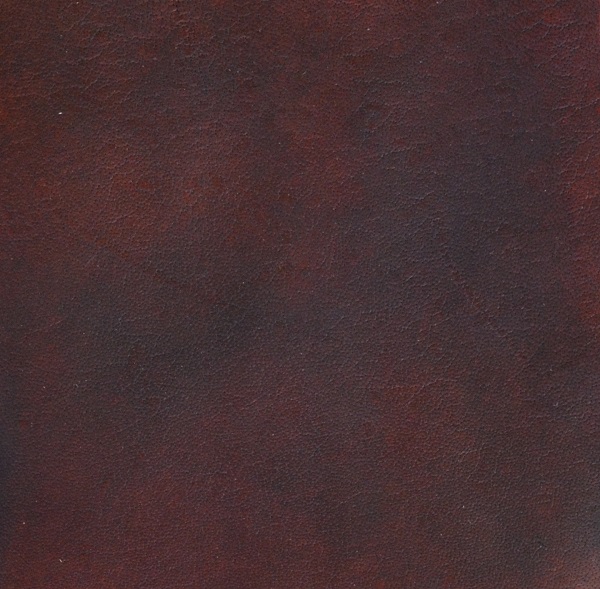
Kangaroo
Medium to Dark Brown Hand-Dyed Kangaroo
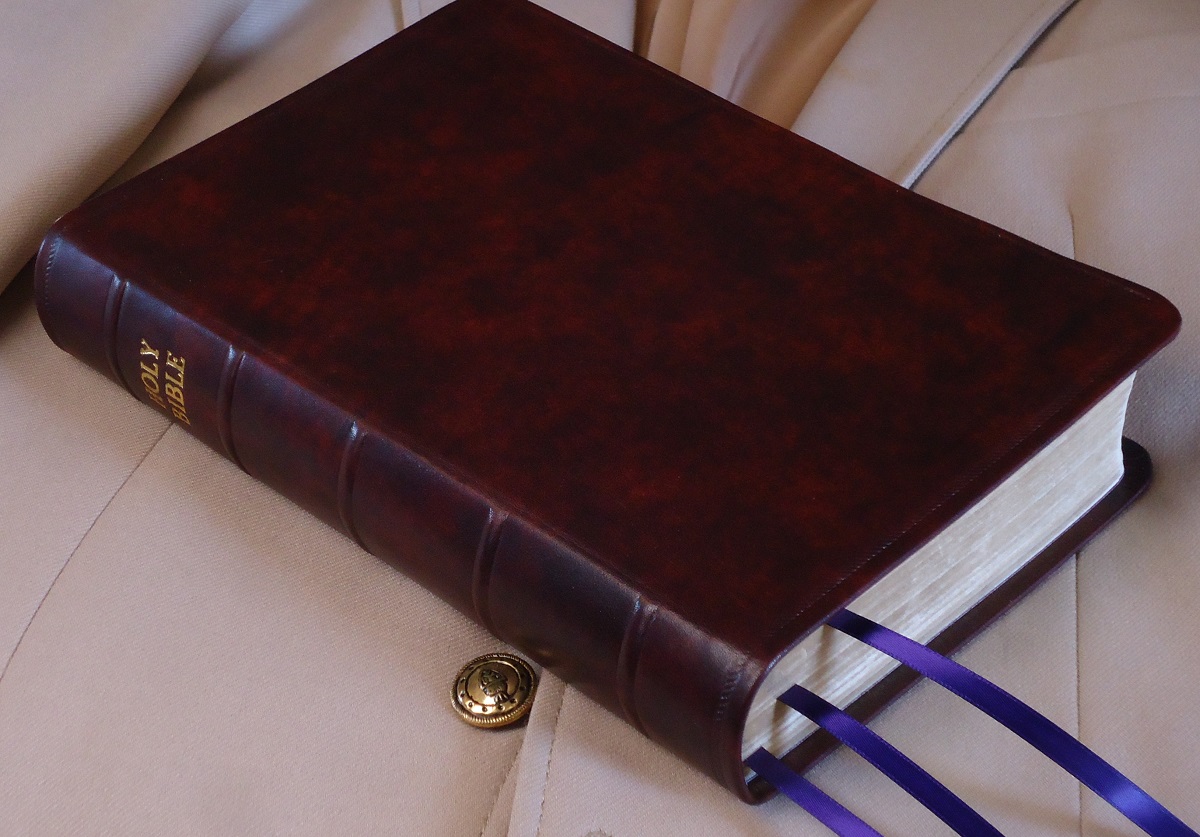
Kangaroo Bible
Kangaroo Bible Hand-Dyed to Medium to Dark Brown
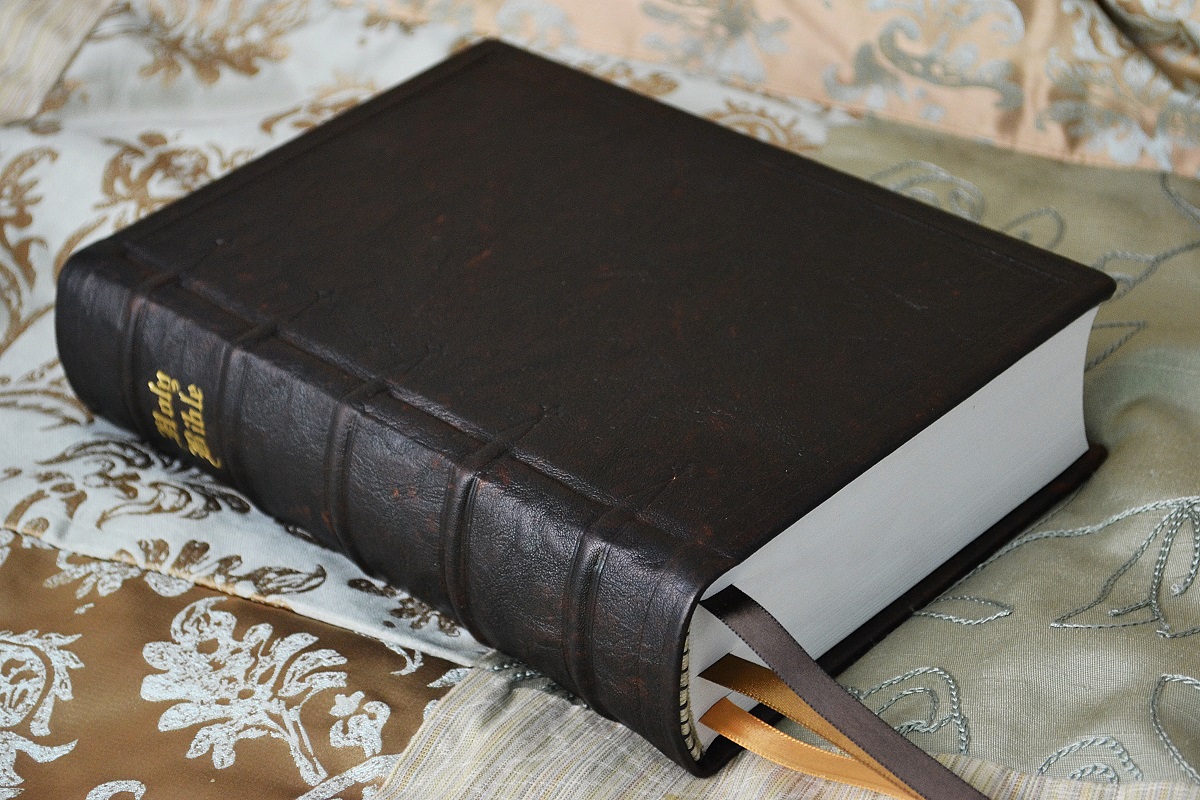
Hardcover Kangaroo Bible
Hardcover Kangaroo Bible Hand-Dyed to Dark Brown
Here are some fast examples of the kinds of grains / textures you’ll find on our leathers. Some are specialty styles.
Cowhide
Pebble Grain Cowhide
Thicker Cowhide
Thicker ‘Bomber’ Cowhide
‘Goat Cow’
Goatskin-Embossed Cowhide
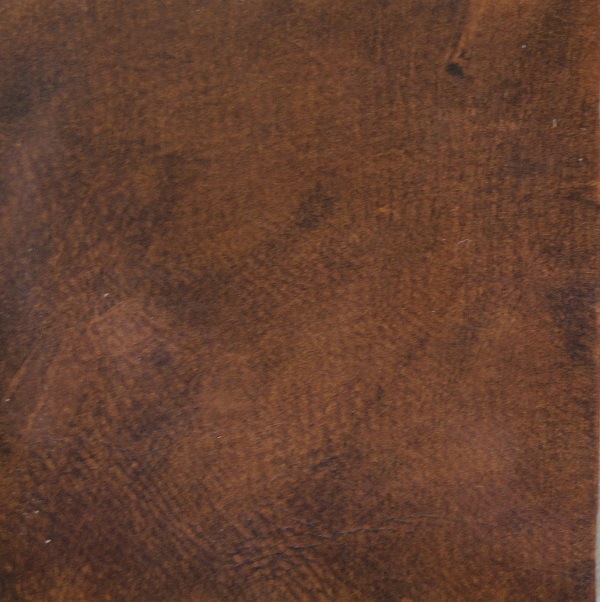
English Calfskin
Hand-dyed and Antiqued English Calfskin
Natural Goatskin
Hand-Dyed, Spindled Natural Goatskin
Sokoto Goat
Sokoto Goatskin
Kangaroo
Smooth Grain Hand-Dyed Kangaroo
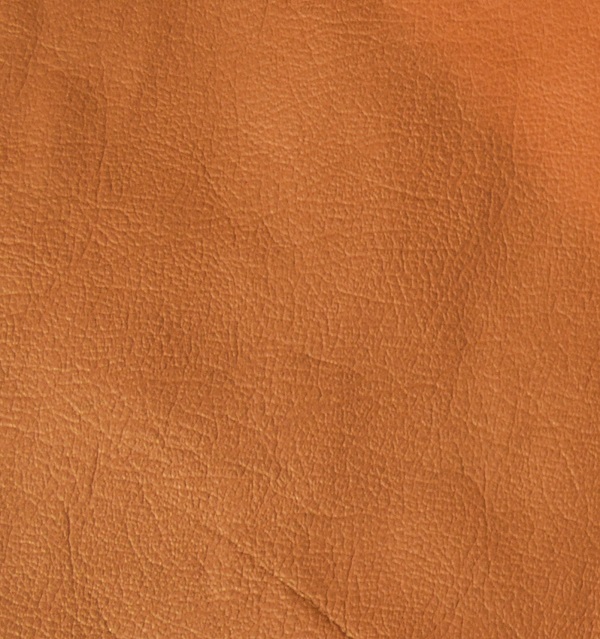
River Grain Goatskin
River Grain Goatskin (for our Leather-Lined Style)
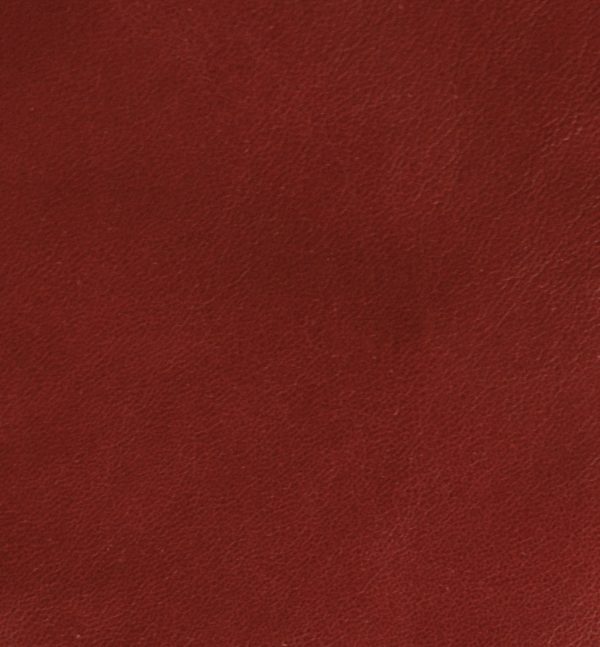
Lambskin
Smooth Lambskin (for the liner of our Leather-Lined Style)
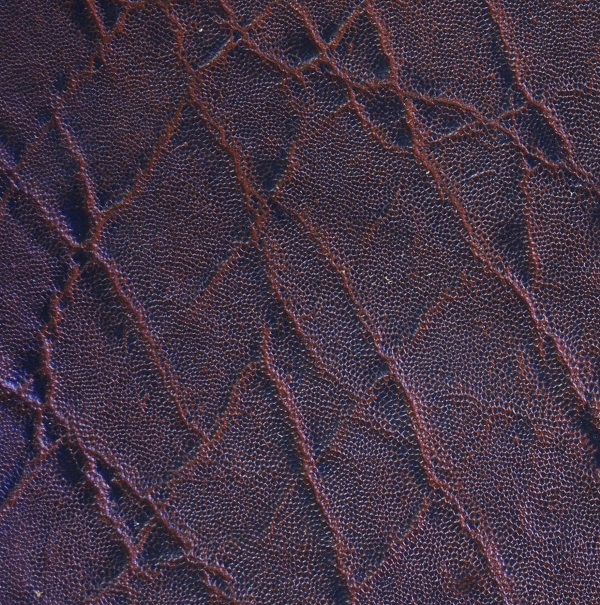
Elephant Cow
Elephant-Embossed Cowhide (for our Strap Wrap Style)